Dr Nyjon Eccles: Bridging the Gap Between Medicine and Nature
Interviewed and written by Rebecca Padgett
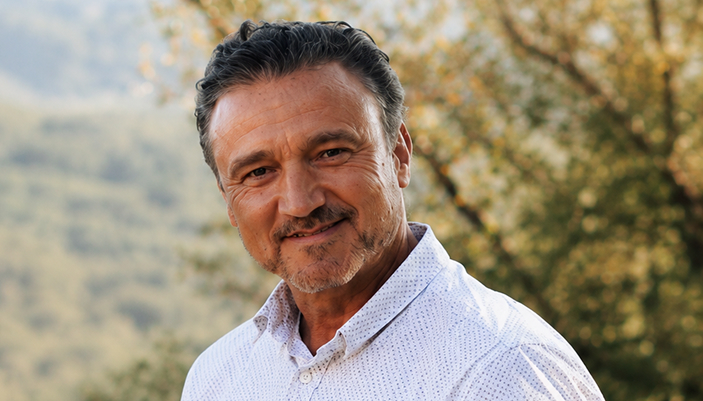
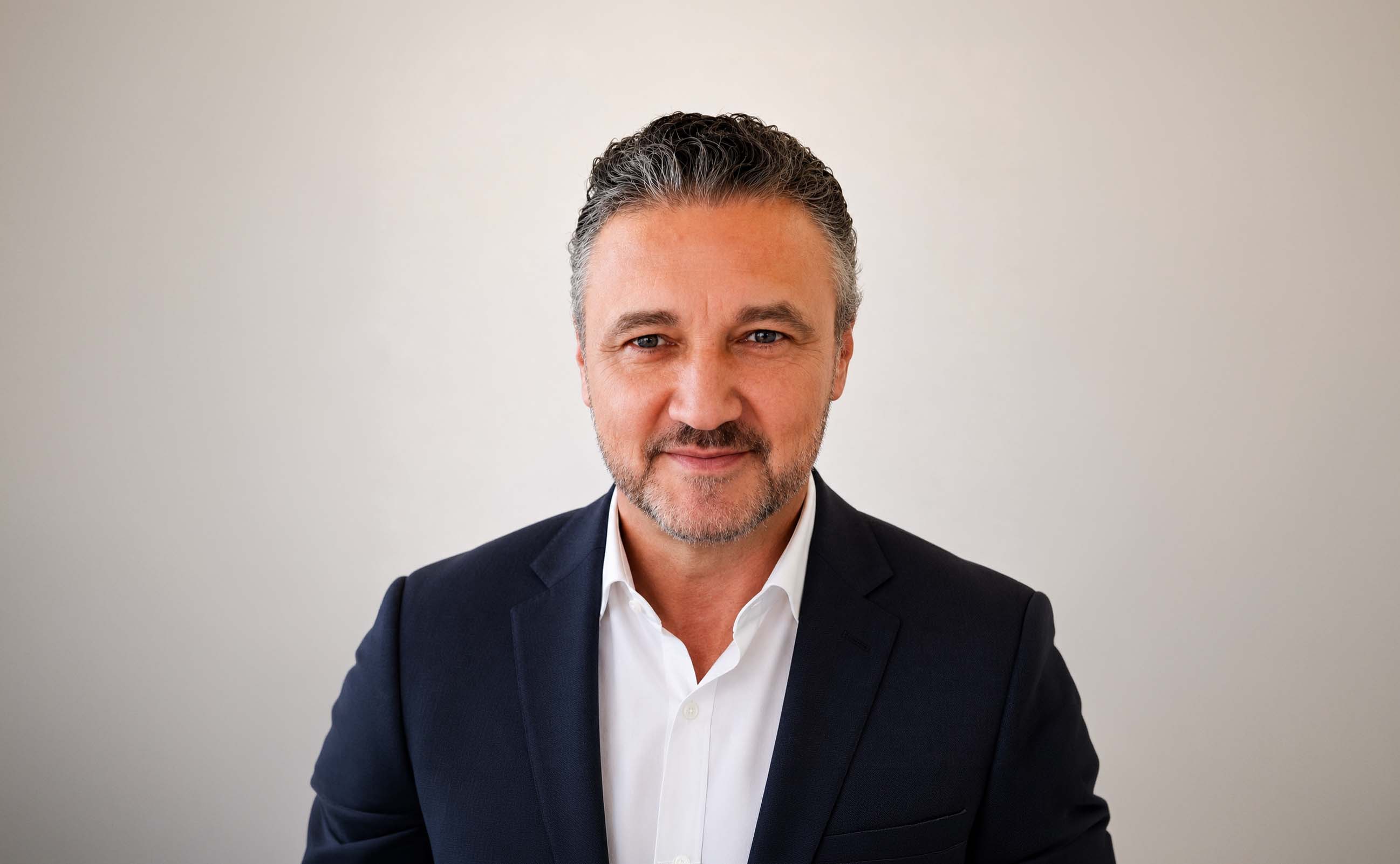
Few doctors have taken such an unconventional path as Dr Nyjon Eccles. Trained as both a pharmacologist and physician, with a PhD in clinical research and advanced medical qualifications, he has spent nearly three decades developing an approach that combines scientific rigour with the principles of natural medicine. His journey has been driven by a single question: How can we move beyond simply managing disease and instead help people achieve lasting health?
For Dr Eccles, that philosophy began long before medical school.
“You can’t ignore nature. At our peril, we ignore what nature offers.”
As a teenager, he immersed himself in books on nutrition, lifestyle and disease prevention. Influenced by a family that encouraged both scientific curiosity and spiritual reflection, he developed an early conviction that health could be supported through natural means.
“I almost grew up with a firm belief that lifestyle and natural approaches could not only prevent illness but also help people heal more effectively,” he explains.
That belief eventually led him to study pharmacology at King’s College London. Although many would see pharmacology and natural medicine as opposing worlds, Dr Eccles believes the experience was invaluable.
“It taught me how pharmaceuticals work, why they work, and why they have side effects.”
Rather than diminishing his interest in natural medicine, studying drugs strengthened it. Understanding conventional medicine allowed him to ask a deeper question.
“This is how pharmaceuticals work—but how can we do better?”
His academic career flourished. He graduated with first-class honours, completed a PhD in clinical research at Charing Cross Hospital, and collaborated closely with medical doctors. Yet despite his success, he realised something was missing.
“If I really wanted to make an impact in medicine and bring my philosophy into healthcare, I had to become a medical doctor.”
Returning to medical school after already completing eight years of higher education was no easy decision.
“I thought, ‘Do I really want to put myself through another five years?’”
For Dr Eccles, that philosophy began long before medical school.
“You can’t ignore nature. At our peril, we ignore what nature offers.”
As a teenager, he immersed himself in books on nutrition, lifestyle and disease prevention. Influenced by a family that encouraged both scientific curiosity and spiritual reflection, he developed an early conviction that health could be supported through natural means.
“I almost grew up with a firm belief that lifestyle and natural approaches could not only prevent illness but also help people heal more effectively,” he explains.
That belief eventually led him to study pharmacology at King’s College London. Although many would see pharmacology and natural medicine as opposing worlds, Dr Eccles believes the experience was invaluable.
“It taught me how pharmaceuticals work, why they work, and why they have side effects.”
Rather than diminishing his interest in natural medicine, studying drugs strengthened it. Understanding conventional medicine allowed him to ask a deeper question.
“This is how pharmaceuticals work—but how can we do better?”
His academic career flourished. He graduated with first-class honours, completed a PhD in clinical research at Charing Cross Hospital, and collaborated closely with medical doctors. Yet despite his success, he realised something was missing.
“If I really wanted to make an impact in medicine and bring my philosophy into healthcare, I had to become a medical doctor.”
Returning to medical school after already completing eight years of higher education was no easy decision.
“I thought, ‘Do I really want to put myself through another five years?’”
He persevered, qualifying as a medical doctor before earning Membership of the Royal College of Physicians (MRCP), a qualification that gave him credibility within mainstream medicine. But even then, he realised that there was no recognised specialty that embraced nutrition, prevention and natural medicine.
“There wasn’t a discipline that gave me the tools I needed.”
General practice became his chosen route because it allowed him to work directly with patients while continuing to explore more holistic approaches.
A defining moment came in 1998 during a visit to the Czech Republic, where he met Dr Michael Kucera, a Czech physician and naturopath whose work profoundly influenced his thinking.
“He became almost like a guru to me.”
Studying alongside Dr Kucera opened new possibilities, reinforcing Dr Eccles’ belief that evidence-based natural medicine could complement conventional care rather than replace it.
Returning to the UK, he established what would become The Natural Doctor Clinic. Over the following 28 years, the practice evolved from nutritional support and cancer care into what is now recognised as longevity and preventative medicine.
“How do you keep people well? How do you preserve wellness? How do you extend not only lifespan but healthspan?”
Today, his work focuses on helping patients remain healthy for longer by identifying underlying causes of disease rather than simply treating symptoms.
One of the strongest themes throughout Dr Eccles’ career has been his belief that modern medicine often concentrates on disease management instead of disease reversal.
“I’ve always been interested in how we reverse disease—not just manage it.”
He is careful to acknowledge that pharmaceuticals have an important role.
“There are drugs that are life-saving. I’m not saying all drugs are out of the question.”
However, he believes chronic diseases require a broader strategy.
“To believe that a pharmaceutical is the solution to chronic disease is incorrect in most cases.”
Instead, he advocates identifying the biological processes driving illness.
“Functional medicine tries to identify the root causes and fix the root causes.”
“There wasn’t a discipline that gave me the tools I needed.”
General practice became his chosen route because it allowed him to work directly with patients while continuing to explore more holistic approaches.
A defining moment came in 1998 during a visit to the Czech Republic, where he met Dr Michael Kucera, a Czech physician and naturopath whose work profoundly influenced his thinking.
“He became almost like a guru to me.”
Studying alongside Dr Kucera opened new possibilities, reinforcing Dr Eccles’ belief that evidence-based natural medicine could complement conventional care rather than replace it.
Returning to the UK, he established what would become The Natural Doctor Clinic. Over the following 28 years, the practice evolved from nutritional support and cancer care into what is now recognised as longevity and preventative medicine.
“How do you keep people well? How do you preserve wellness? How do you extend not only lifespan but healthspan?”
Today, his work focuses on helping patients remain healthy for longer by identifying underlying causes of disease rather than simply treating symptoms.
One of the strongest themes throughout Dr Eccles’ career has been his belief that modern medicine often concentrates on disease management instead of disease reversal.
“I’ve always been interested in how we reverse disease—not just manage it.”
He is careful to acknowledge that pharmaceuticals have an important role.
“There are drugs that are life-saving. I’m not saying all drugs are out of the question.”
However, he believes chronic diseases require a broader strategy.
“To believe that a pharmaceutical is the solution to chronic disease is incorrect in most cases.”
Instead, he advocates identifying the biological processes driving illness.
“Functional medicine tries to identify the root causes and fix the root causes.”
This philosophy extends across cardiovascular health, ageing and metabolic disease, where he believes prevention offers far greater benefits than waiting for illness to develop.
Another major area of Dr Eccles’ work is breast health. In the early 2000s he travelled to the United States to study breast thermography, a technology that measures physiological changes rather than structural abnormalities.
What fascinated him was its potential to detect problems years before they become visible through conventional imaging.
“Breast thermography is a way of detecting those upstream changes in breast tissue.”
Rather than waiting until a tumour is large enough to appear on imaging, Dr Eccles believes earlier physiological changes create an opportunity for intervention.
“Early detection, early correction, keeping people safe—that has always been my philosophy.”
This thinking led him to develop ThermoCheck, a standardised breast thermography system designed to improve consistency and interpretation while integrating functional medicine principles.
Importantly, his approach does not stop at identifying increased risk.
“If you detect an abnormal thermal pattern, the question becomes: what are you going to do about it?”
He has developed nutritional protocols aimed at reducing inflammatory changes identified through thermography, seeking to restore normal breast physiology before structural disease develops.
Throughout the interview, one consistent message emerged: education is just as important as treatment.
Another major area of Dr Eccles’ work is breast health. In the early 2000s he travelled to the United States to study breast thermography, a technology that measures physiological changes rather than structural abnormalities.
What fascinated him was its potential to detect problems years before they become visible through conventional imaging.
“Breast thermography is a way of detecting those upstream changes in breast tissue.”
Rather than waiting until a tumour is large enough to appear on imaging, Dr Eccles believes earlier physiological changes create an opportunity for intervention.
“Early detection, early correction, keeping people safe—that has always been my philosophy.”
This thinking led him to develop ThermoCheck, a standardised breast thermography system designed to improve consistency and interpretation while integrating functional medicine principles.
Importantly, his approach does not stop at identifying increased risk.
“If you detect an abnormal thermal pattern, the question becomes: what are you going to do about it?”
He has developed nutritional protocols aimed at reducing inflammatory changes identified through thermography, seeking to restore normal breast physiology before structural disease develops.
Throughout the interview, one consistent message emerged: education is just as important as treatment.
Dr Eccles is now writing extensively on what he calls “Precision Longevity,” sharing practical strategies that people can adopt to improve healthspan and reduce disease risk.
“Nature already usually has molecules that attend to these important pathways.”
Rather than searching endlessly for new pharmaceutical compounds, he believes medicine should better understand and utilise the biological tools already available through nutrition and natural compounds.
After decades spent building clinical experience, his ambitions are now expanding beyond one practice. He hopes to train other doctors using the protocols developed at The Natural Doctor Clinic, allowing evidence-informed preventative medicine to become more widely accessible.
“I’ve created these protocols, these blueprints, which can be copied into other clinics.”
Despite his many achievements, Dr Eccles remains remarkably humble.
“I’m still learning. You never stop learning.”
That curiosity, first sparked as a teenager reading about nutrition and natural health, continues to shape his work today. His vision is not to reject conventional medicine but to expand it—combining scientific evidence, preventative healthcare and natural therapies into an integrated model that empowers patients to live longer, healthier lives.
For Dr Nyjon Eccles, medicine’s future lies not simply in treating illness but in understanding why it develops in the first place—and acting early enough to change the outcome.
Dr Eccle's website
Read his articles here
Dr Eccles' social platforms:
YouTube
Instagram
X
Facebook
LinkedIn
“Nature already usually has molecules that attend to these important pathways.”
Rather than searching endlessly for new pharmaceutical compounds, he believes medicine should better understand and utilise the biological tools already available through nutrition and natural compounds.
After decades spent building clinical experience, his ambitions are now expanding beyond one practice. He hopes to train other doctors using the protocols developed at The Natural Doctor Clinic, allowing evidence-informed preventative medicine to become more widely accessible.
“I’ve created these protocols, these blueprints, which can be copied into other clinics.”
Despite his many achievements, Dr Eccles remains remarkably humble.
“I’m still learning. You never stop learning.”
That curiosity, first sparked as a teenager reading about nutrition and natural health, continues to shape his work today. His vision is not to reject conventional medicine but to expand it—combining scientific evidence, preventative healthcare and natural therapies into an integrated model that empowers patients to live longer, healthier lives.
For Dr Nyjon Eccles, medicine’s future lies not simply in treating illness but in understanding why it develops in the first place—and acting early enough to change the outcome.
Dr Eccle's website
Read his articles here
Dr Eccles' social platforms:
YouTube
X

Features