
Empty Nest, Full Life: How Parents Are Rediscovering Themselves When the Kids Leave Home
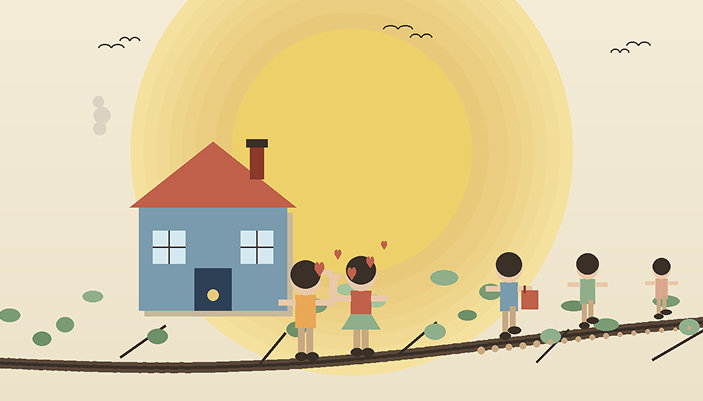
Nobody warns you quite adequately for the strange quiet of it. You spend eighteen or twenty years organising your entire life around another person, their school runs, their social lives, their laundry, their crises at eleven o'clock at night, and then one day they load a car with everything they own and drive away. And the house is just very, very still.
The empty nest is one of those life transitions that gets underplayed. We celebrate the child leaving because it means things went right and they are ready and off they go. But we do not always make much space for the parent to grieve what is ending. Because something is ending. A particular version of your life, and of yourself.
The empty nest is one of those life transitions that gets underplayed. We celebrate the child leaving because it means things went right and they are ready and off they go. But we do not always make much space for the parent to grieve what is ending. Because something is ending. A particular version of your life, and of yourself.
Most parents get through the first few months by being busy. There is often a flurry of redecorating the bedroom, booking a holiday, catching up with friends. This is fine. It is also, sometimes, avoidance.
The deeper work is the question underneath it all: who am I when I am not primarily someone's parent? For some people that question feels liberating. For others it is quietly terrifying. Both responses make complete sense.
The deeper work is the question underneath it all: who am I when I am not primarily someone's parent? For some people that question feels liberating. For others it is quietly terrifying. Both responses make complete sense.

What tends to help is treating this as an arrival rather than a loss. You have just been handed back a significant portion of your time and energy. What you do with it matters. People who thrive in the empty nest tend to approach it with a certain degree of intention. They pick something up, go back to something they had set aside, or start something they had been meaning to try for years.
Relationships often change too. Couples who have spent two decades co-parenting sometimes find they have to rediscover each other as people. This can go well or it can be uncomfortable. It is usually both. The advice from therapists and couples who navigate it successfully is the same: treat it like early days again. Go somewhere new. Ask questions you have not asked in years.
Relationships often change too. Couples who have spent two decades co-parenting sometimes find they have to rediscover each other as people. This can go well or it can be uncomfortable. It is usually both. The advice from therapists and couples who navigate it successfully is the same: treat it like early days again. Go somewhere new. Ask questions you have not asked in years.
Friendships also resurface. People you had drifted from because of clashing school schedules or different stages of parenting suddenly become available again. Some of those friendships pick up as if no time has passed.
And then, usually, the children come home for weekends and holidays and everything rearranges itself again briefly. Which is lovely, but also strangely confirms something: you have built a life of your own now. You are pleased when they arrive and you are fine when they leave.
That is not failure. That is exactly how it is supposed to go.
And then, usually, the children come home for weekends and holidays and everything rearranges itself again briefly. Which is lovely, but also strangely confirms something: you have built a life of your own now. You are pleased when they arrive and you are fine when they leave.
That is not failure. That is exactly how it is supposed to go.

Features