From Grandparent to Grandchild: The Forgotten Art of Passing Down Stories
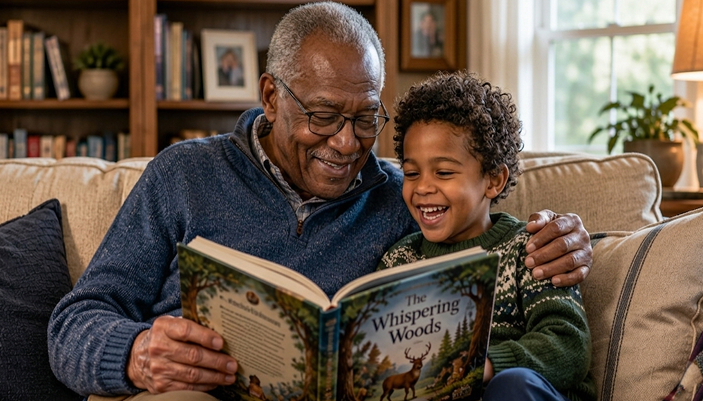
My grandmother could make a trip to the corner shop sound like an adventure. She would describe the smell of the bakery that used to be on the high street, the names of the women she would chat to on the way, the price of a loaf of bread in 1962. I was riveted. And I was ten.
There is something about a grandparent's story that lands differently to anything a child hears elsewhere. It is not history from a textbook. It is history with a face on it. It happened to someone sitting across from you, who used to be young, who lived through things you can barely imagine.
There is something about a grandparent's story that lands differently to anything a child hears elsewhere. It is not history from a textbook. It is history with a face on it. It happened to someone sitting across from you, who used to be young, who lived through things you can barely imagine.
But the passing down of family stories, what researchers sometimes call narrative identity, is quietly under threat. Families are more geographically scattered than they once were. Visits are shorter and more scheduled. And when we do gather, the television is often on or everyone is half-distracted by their phones.
The stories slip away. And once the person who held them is gone, they are gone.
The stories slip away. And once the person who held them is gone, they are gone.
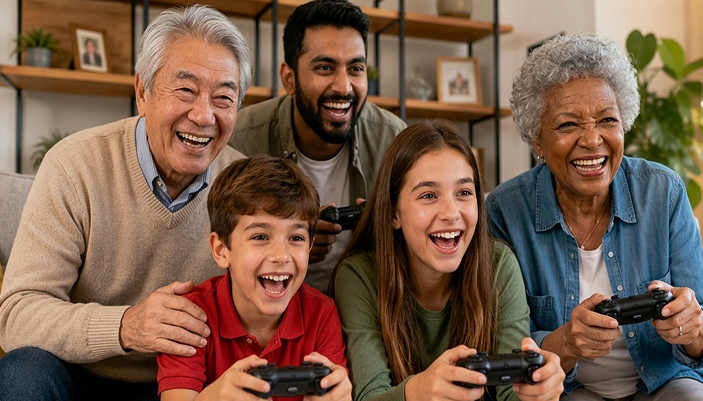
This matters more than we might think. Studies in developmental psychology suggest that children who know their family history, who understand where they come from and what their grandparents survived and what their parents struggled with, tend to have greater resilience and a stronger sense of identity. They feel part of something larger than themselves.
It does not require grand gestures. Some of the most powerful storytelling happens in the car, on a walk, while cooking together. The informal moments when a grandparent says, that reminds me of when I was about your age, and a child actually listens.
Old photographs help. Pulling out a box of pictures from fifty years ago and talking through them is a simple way to open up conversations that would not otherwise happen. What were they doing? Where was that? What happened next?
It does not require grand gestures. Some of the most powerful storytelling happens in the car, on a walk, while cooking together. The informal moments when a grandparent says, that reminds me of when I was about your age, and a child actually listens.
Old photographs help. Pulling out a box of pictures from fifty years ago and talking through them is a simple way to open up conversations that would not otherwise happen. What were they doing? Where was that? What happened next?
Some families have started recording these conversations. A phone propped on the kitchen table while grandma talks about her childhood. It sounds slightly formal but it rarely feels that way once you get started. And what gets captured is irreplaceable.
The stories do not have to be dramatic to be worth keeping. The mundane ones, what school was like, what music they loved, what they wanted to be when they grew up, build a picture of a life that grandchildren will one day be grateful to have.
We are all only here for a while. The least we can do is make sure something of us stays behind.
The stories do not have to be dramatic to be worth keeping. The mundane ones, what school was like, what music they loved, what they wanted to be when they grew up, build a picture of a life that grandchildren will one day be grateful to have.
We are all only here for a while. The least we can do is make sure something of us stays behind.

Features