How to Use Your Phone Less Without Becoming Insufferable About It
The problem with most advice about phone usage is that it is delivered by people who appear to have no problem with their phones. They have achieved a kind of enlightened relationship with technology that requires them to wake at dawn, meditate for forty-five minutes and leave their device in a drawer during all meals and social interactions. This is admirable and irrelevant to most people's lives.
The more useful question is not how to have a perfect relationship with your phone but how to have a slightly better one than you currently do, with minimum friction and no self-righteousness.
The goal is not a perfect relationship with your phone. It is a slightly better one than you have now.
The more useful question is not how to have a perfect relationship with your phone but how to have a slightly better one than you currently do, with minimum friction and no self-righteousness.
The goal is not a perfect relationship with your phone. It is a slightly better one than you have now.
The most effective single intervention is turning off all non-essential notifications. This includes social media, news, email outside of working hours, and anything that arrives with a sound. Notifications are not there for your benefit. They are there for the sender's or the platform's benefit. The urgency they create is manufactured. Most things that feel urgent in a notification are not urgent when evaluated outside that context
The second most effective is greyscale mode. Setting your phone display to show only in greyscale removes the dopamine trigger associated with the colours of social media apps and reduces the automatic appeal of picking the phone up. It is a friction-based intervention that works because it does not require willpower. The phone is simply less attractive.
The second most effective is greyscale mode. Setting your phone display to show only in greyscale removes the dopamine trigger associated with the colours of social media apps and reduces the automatic appeal of picking the phone up. It is a friction-based intervention that works because it does not require willpower. The phone is simply less attractive.
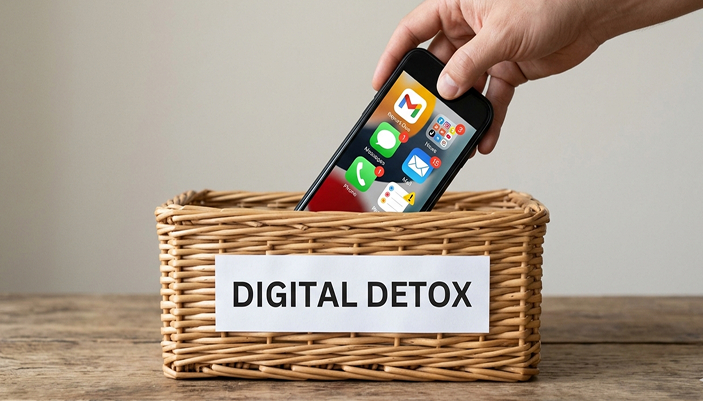
Screen time data is more useful as a shock than as an ongoing monitoring tool. Look at your weekly average. If it surprises you, that is the motivation. The tracking itself is less important than the initial recognition.
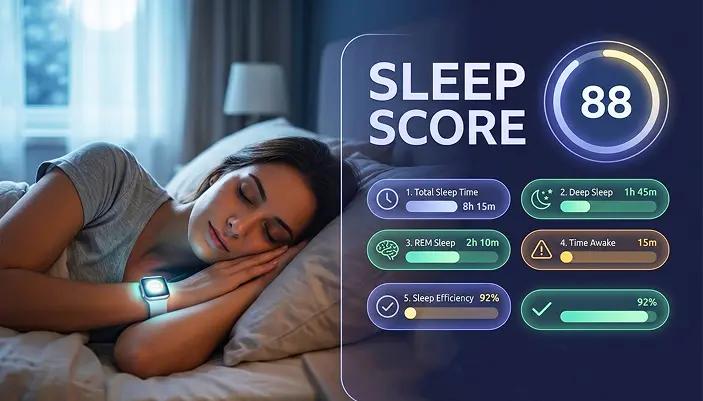
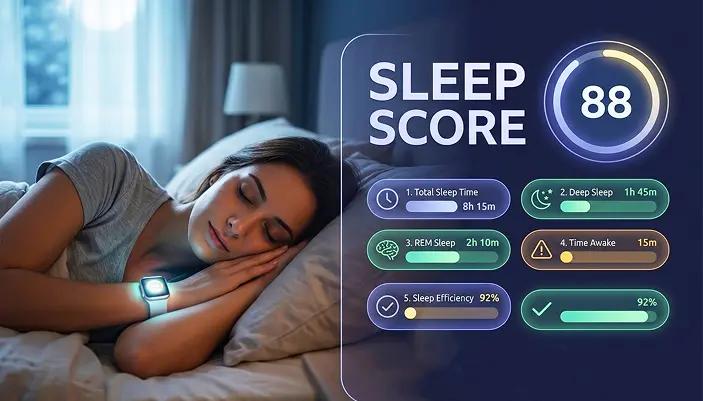
The phone in the bedroom is the highest-return change most people can make and the one most consistently avoided. The morning window before you check your phone is the most cognitively clear period of most people's days. Most people do not know this because they check their phone before they are properly awake.
The phone in the bedroom is the highest-return change most people can make and the one most consistently avoided. The morning window before you check your phone is the most cognitively clear period of most people's days. Most people do not know this because they check their phone before they are properly awake.
None of the above requires a retreat, an app subscription or a significant lifestyle change. They are small adjustments that compound over time. Try one this week and assess whether your days feel slightly different. That is the only metric that actually matters.

Features