I Let AI Run My Week. Here's What It Got Right and What It Got Completely Wrong

The premise was simple enough: for five working days, I would use AI tools to manage as much of my schedule, correspondence and decision-making as possible. I would track what worked, what failed and what was merely annoying. I expected to come out of it with a nuanced appreciation of where AI assistance is genuinely useful.
The results were more mixed than that, and more interesting than I expected.
The AI was excellent at the mechanics of communication and completely useless at the judgment calls that make communication matter.
The results were more mixed than that, and more interesting than I expected.
The AI was excellent at the mechanics of communication and completely useless at the judgment calls that make communication matter.
Day one: I used an AI assistant to draft all my emails based on brief bullet-point summaries of what I wanted to say. The results were grammatically impeccable and tonally wrong in ways that were difficult to specify but obvious in reading. The AI wrote to my colleagues as if they were customers and to my friends as if they were colleagues. It took me longer to correct the drafts than it would have taken to write them directly.
Day two: I used an AI to manage my calendar for the day, scheduling tasks according to a productivity framework I had described to it. This worked well. The AI has no ego about putting the difficult task first and the email at the end of the day. Left to my own devices, I tend to do the reverse.
Day two: I used an AI to manage my calendar for the day, scheduling tasks according to a productivity framework I had described to it. This worked well. The AI has no ego about putting the difficult task first and the email at the end of the day. Left to my own devices, I tend to do the reverse.
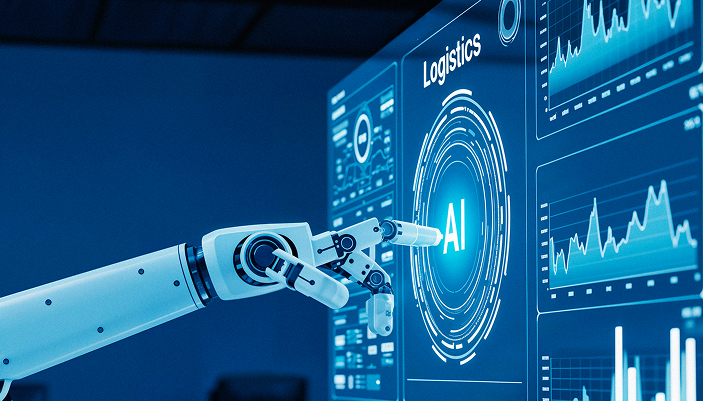
Day three: I asked the AI to research and recommend a restaurant for a dinner I was hosting that evening, based on a set of preferences I described. The recommendation was good. The additional suggestions for conversation topics, which I had not asked for, were unsettling.
The broader finding, after five days, was this: AI tools are excellent at the mechanics of tasks that have clear parameters and no emotional stakes. They struggle with judgment calls, tonal nuance and anything that requires understanding the specific relationship between two specific people.
The broader finding, after five days, was this: AI tools are excellent at the mechanics of tasks that have clear parameters and no emotional stakes. They struggle with judgment calls, tonal nuance and anything that requires understanding the specific relationship between two specific people.
The AI was excellent at the mechanics of communication and completely useless at the judgment calls that make communication matter.
AI tools are most useful when you know exactly what you are asking them to do and why. The experiment was worth doing for the clarity it provided about where the tools earn their place and where the human judgment is irreplaceable. Both categories are larger than the technology marketing suggests.
AI tools are most useful when you know exactly what you are asking them to do and why. The experiment was worth doing for the clarity it provided about where the tools earn their place and where the human judgment is irreplaceable. Both categories are larger than the technology marketing suggests.

Features