Quiet Quitting Burnout: What Happens When You Finally Stop Performing Fine
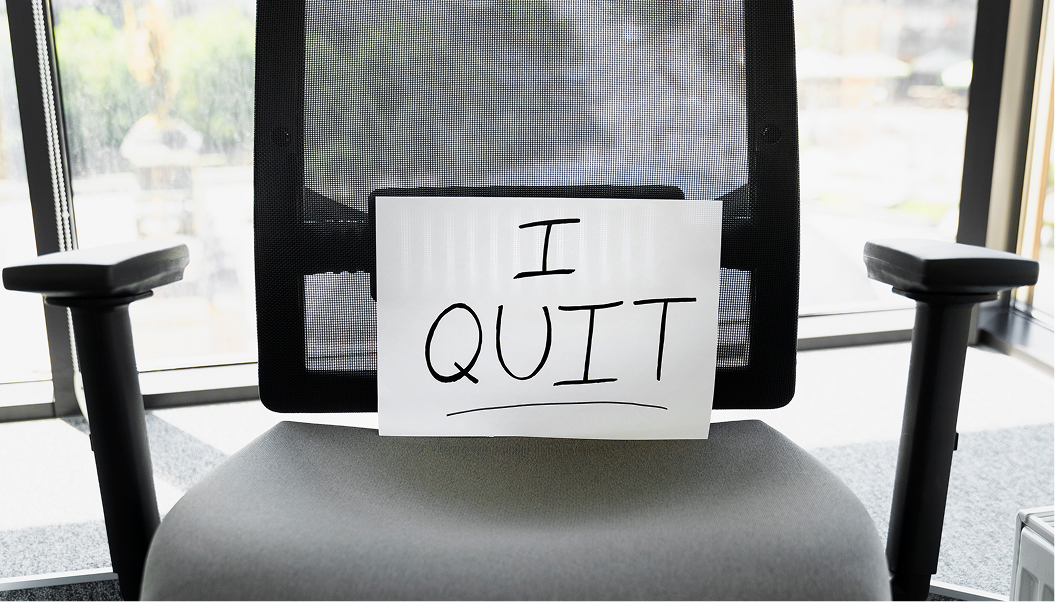
Quiet quitting was the phrase everyone used for about eighteen months from late 2022, until it became too imprecise to be useful. What it described, at its core, was not laziness or disengagement. It was the withdrawal of emotional labour from a system that had been taking it for granted. Workers doing their contracted hours and no more, protecting their energy after years of giving more than was reciprocated.
The people who burned out hardest during the pandemic were not, as a rule, the people who struggled from the start. They were the people who held everything together: who kept their teams motivated, kept their families calm, and kept themselves, from the outside, completely fine. They were the ones who performed resilience so convincingly that nobody thought to check on them. And when the system they had been supporting with so much invisible effort finally relaxed its demands, many of them found there was nothing left.
The people who burned out hardest were the ones who performed resilience so convincingly that nobody thought to check.
Burnout does not look like collapse, not in the first instance. It looks like irritability. An inability to read a book you would previously have finished in a weekend.
The people who burned out hardest during the pandemic were not, as a rule, the people who struggled from the start. They were the people who held everything together: who kept their teams motivated, kept their families calm, and kept themselves, from the outside, completely fine. They were the ones who performed resilience so convincingly that nobody thought to check on them. And when the system they had been supporting with so much invisible effort finally relaxed its demands, many of them found there was nothing left.
The people who burned out hardest were the ones who performed resilience so convincingly that nobody thought to check.
Burnout does not look like collapse, not in the first instance. It looks like irritability. An inability to read a book you would previously have finished in a weekend.
A persistent low-level resentment of the things and people you used to love. A kind of emotional flatness that is not quite sadness but is not anything like being well. Some people describe a sense of numbness, a disconnection from the things that used to feel meaningful. Others notice that their capacity for empathy, for colleagues, for partners, for children, has diminished in ways that alarm them.
Christina Maslach, Professor Emerita of Psychology at the University of California Berkeley, has been the leading researcher on burnout since the 1970s. Her Maslach Burnout Inventory, first published in 1981 and still in widespread clinical use, defines burnout across three dimensions: emotional exhaustion, depersonalisation (or cynicism towards work and colleagues), and a reduced sense of personal efficacy. Crucially, what Maslach and subsequent researchers have consistently found is that burnout is primarily a workplace phenomenon driven by structural conditions, chronic overload, lack of control, insufficient reward, poor community, unfairness, and value conflicts, rather than individual weakness. The widespread framing that burnout is something you develop because you are not resilient enough is not supported by the evidence and, more seriously, actively delays recovery by placing responsibility on the individual rather than on the conditions that created the problem.
Christina Maslach, Professor Emerita of Psychology at the University of California Berkeley, has been the leading researcher on burnout since the 1970s. Her Maslach Burnout Inventory, first published in 1981 and still in widespread clinical use, defines burnout across three dimensions: emotional exhaustion, depersonalisation (or cynicism towards work and colleagues), and a reduced sense of personal efficacy. Crucially, what Maslach and subsequent researchers have consistently found is that burnout is primarily a workplace phenomenon driven by structural conditions, chronic overload, lack of control, insufficient reward, poor community, unfairness, and value conflicts, rather than individual weakness. The widespread framing that burnout is something you develop because you are not resilient enough is not supported by the evidence and, more seriously, actively delays recovery by placing responsibility on the individual rather than on the conditions that created the problem.

Recovery is possible and it is not as slow as people fear, with one important condition: you have to actually stop. Not just take a week off and work three hours a day from a nicer location. Stop. The nervous system is not fooled by a change of scenery if the underlying demands remain the same. Studies published in the journal Work and Stress have found that psychological detachment from work, truly not thinking about it, not checking it, is the mechanism through which recovery occurs. Presence in a different location without that detachment produces minimal benefit.
The most reliable early intervention is structure: sleeping and waking at the same time, eating at regular intervals, spending time outdoors. Not because these are cures but because burnout systematically erodes the regulatory habits that normally support the nervous system, and rebuilding that structure provides
The most reliable early intervention is structure: sleeping and waking at the same time, eating at regular intervals, spending time outdoors. Not because these are cures but because burnout systematically erodes the regulatory habits that normally support the nervous system, and rebuilding that structure provides
something stable to hold onto while everything else recalibrates. The NHS's Every Mind Matters service provides practical resources online, and many employers now offer Employee Assistance Programmes with confidential counselling as a standard benefit. Your membership also includes access to wellbeing support through our partner providers.
If any part of this article has you recognising yourself, or someone close to you, it is worth noting that early intervention is meaningfully more effective than waiting until the collapse is complete. The evidence is clear, and the help is there.
If any part of this article has you recognising yourself, or someone close to you, it is worth noting that early intervention is meaningfully more effective than waiting until the collapse is complete. The evidence is clear, and the help is there.

Features