Screen Time or Family Time? The New Rules of Raising Kids in a Digital World
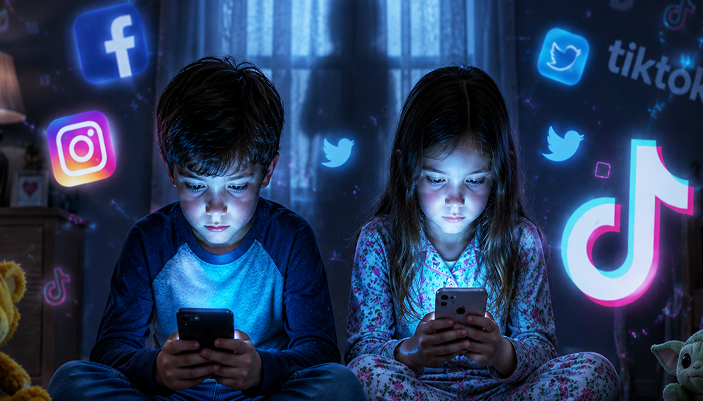
Ask any parent about screen time and watch their shoulders tighten. It is one of those subjects where everyone has an opinion, most of them conflicting, and the guilt sits heavy regardless of what you decide.
The honest answer is that there are no clean rules anymore. The old advice, two hours maximum, no screens before bed, nothing during meals, was written for a world where screens meant television. Now a screen is how a teenager keeps in touch with friends, does their homework, pursues creative hobbies, and learns pretty much everything. Treating all screen time as equivalent makes about as much sense as banning all food because some of it is not nutritious.
The honest answer is that there are no clean rules anymore. The old advice, two hours maximum, no screens before bed, nothing during meals, was written for a world where screens meant television. Now a screen is how a teenager keeps in touch with friends, does their homework, pursues creative hobbies, and learns pretty much everything. Treating all screen time as equivalent makes about as much sense as banning all food because some of it is not nutritious.
What most family psychologists now talk about is not limits so much as quality and context. Is the child passively consuming, or are they creating something? Are they connecting with people, or disappearing from them? Are they using a screen instead of sleep, or instead of something genuinely less valuable?
The meal table remains worth protecting, most experts agree. Not because screens are uniquely evil at dinner, but because shared meals without distraction are one of the few remaining rituals that force genuine conversation. If the phone is on the table, the conversation does not go as deep. It just does not.
The meal table remains worth protecting, most experts agree. Not because screens are uniquely evil at dinner, but because shared meals without distraction are one of the few remaining rituals that force genuine conversation. If the phone is on the table, the conversation does not go as deep. It just does not.
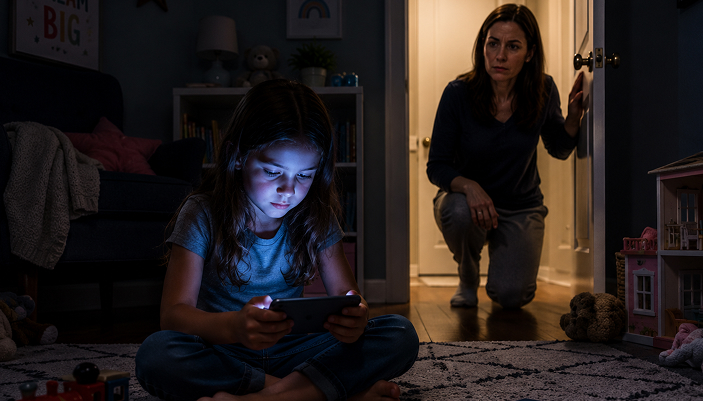
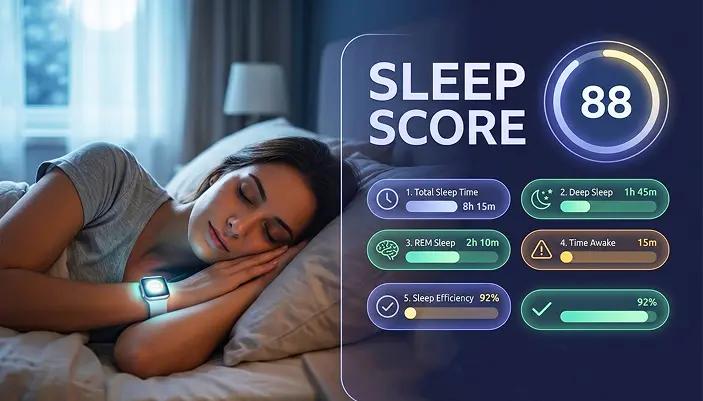
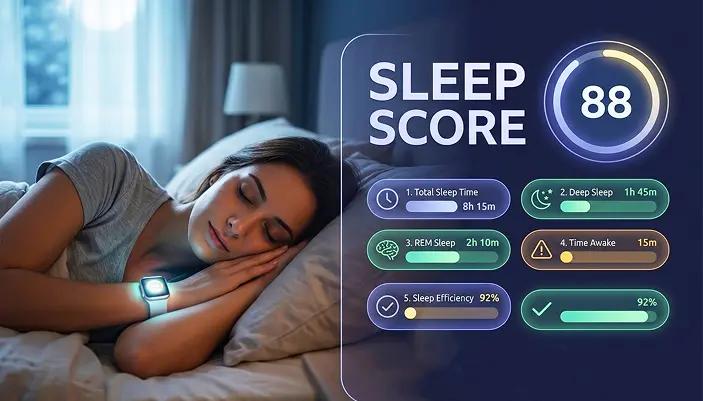
Bedrooms at bedtime are another genuine concern, and this one has decent research behind it. The blue light from screens interferes with melatonin production, and the psychological stimulation of social media makes it harder for the brain to settle. Teenagers in particular are chronically undersleeping, and it shows in their mood, their concentration, and their mental health.
But here is the thing that often gets missed in these conversations: the families who manage screens best are not the strictest ones. They are the ones who talk about it. Who acknowledge that social media can be horrible and still use it. Who model their own imperfect relationship with their phones rather than pretending the rules only apply to children.
But here is the thing that often gets missed in these conversations: the families who manage screens best are not the strictest ones. They are the ones who talk about it. Who acknowledge that social media can be horrible and still use it. Who model their own imperfect relationship with their phones rather than pretending the rules only apply to children.
When parents are honest, saying things like I spend too long on this too and I am trying to be better about it, children respond to that. They feel less policed and more understood.
Technology is not going anywhere, and our children are going to live most of their adult lives inside it. Teaching them to navigate it thoughtfully, rather than just limiting access, is perhaps the more useful long game.
The screens are here to stay. The question is whether we are present enough to have the conversations about them.
Technology is not going anywhere, and our children are going to live most of their adult lives inside it. Teaching them to navigate it thoughtfully, rather than just limiting access, is perhaps the more useful long game.
The screens are here to stay. The question is whether we are present enough to have the conversations about them.

Features