
The Chefs Changing the Way Britain Eats, and the Suppliers Behind Them

British food has had a complicated few decades. There was the period of embarrassment, when the national cuisine was the punchline of European dinner tables. Then came the celebrity chef era, which was more about television than food. Then the farm-to-fork movement, which at its best produced something quietly revolutionary and at its worst produced a lot of restaurants charging forty pounds for half a turnip.
What is happening now is different from all of that. Quieter, more purposeful, and in several cases genuinely world-class.
The relationship between chef and supplier has become as important as the relationship between chef and diner.
The most interesting British chefs working today are defined not by their Michelin status but by their sourcing
What is happening now is different from all of that. Quieter, more purposeful, and in several cases genuinely world-class.
The relationship between chef and supplier has become as important as the relationship between chef and diner.
The most interesting British chefs working today are defined not by their Michelin status but by their sourcing
relationships. Brett Graham at The Ledbury in Notting Hill has spent two decades building what amounts to a parallel food business alongside his three-Michelin-starred restaurant. His farm operation, Capability Graham, produces venison from his own deer park in Oxfordshire, Jersey beef and the only air mile-free Iberian pork in the UK. The produce goes straight to the pass. Menus are built around what the land is doing, not around what a distributor can guarantee to deliver.
In Scotland, Tom Kitchin's obsession with Scottish produce, from hand-dived scallops to Borders lamb, has influenced an entire generation of chefs who came through his kitchen. The relationship between chef and supplier has become as important as the relationship between chef and diner. Some chefs now list their farmers and producers on the menu with the same prominence given to the dish itself.
In Scotland, Tom Kitchin's obsession with Scottish produce, from hand-dived scallops to Borders lamb, has influenced an entire generation of chefs who came through his kitchen. The relationship between chef and supplier has become as important as the relationship between chef and diner. Some chefs now list their farmers and producers on the menu with the same prominence given to the dish itself.
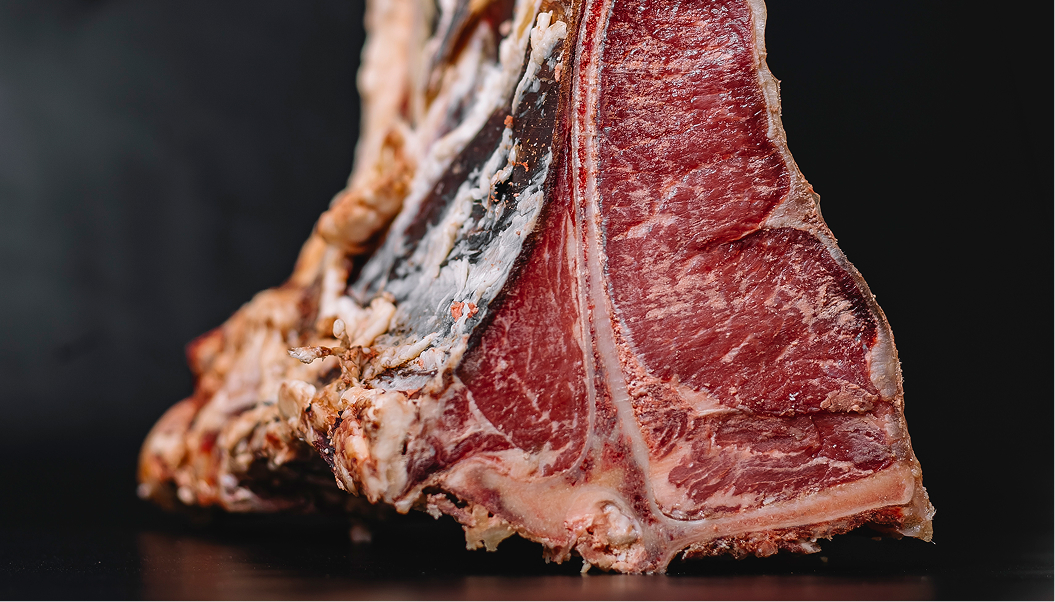
In the north of England, a cluster of restaurants in Manchester and Leeds are doing something interesting with northern European techniques applied to northern English ingredients. Heritage grains from small mills. Aged beef from specific farms. Foraged ingredients from specific landscapes. The cooking is precise, the sourcing is meticulous, and the prices are considerably more accessible than equivalent restaurants in London.
Behind all of this are the suppliers who rarely get the credit. The cheesemakers in Somerset and the Midlands who have spent twenty years perfecting something genuinely extraordinary. The fishing boats in Cornwall that land
Behind all of this are the suppliers who rarely get the credit. The cheesemakers in Somerset and the Midlands who have spent twenty years perfecting something genuinely extraordinary. The fishing boats in Cornwall that land
what came out of the sea that morning rather than what was ordered from a warehouse. The mushroom foragers, the market gardeners, the heritage apple growers. The supply chain is where British food got interesting, and it is where the best of it will stay interesting.
The next time you eat somewhere good, ask where it came from. The answer, if the chef is doing their job properly, will be specific. That specificity is the whole point.
The next time you eat somewhere good, ask where it came from. The answer, if the chef is doing their job properly, will be specific. That specificity is the whole point.

Features