The Family That Travels Together: How Shared Adventures Build Bonds That Last a Lifetime

There is a particular kind of chaos that comes with family travel. Someone always needs the loo the moment you have found a parking space. The teenager who swore they did not want to come ends up having the best time. And somehow, years later, it is those slightly disastrous moments you all laugh about the most.
Family holidays have a way of cutting through the noise of everyday life. At home, everyone disappears into their own rooms, their own screens, their own routines. But stick a family in a car for four hours or navigate a foreign train system together and something shifts. You are suddenly relying on each other in ways you do not at home.
Family holidays have a way of cutting through the noise of everyday life. At home, everyone disappears into their own rooms, their own screens, their own routines. But stick a family in a car for four hours or navigate a foreign train system together and something shifts. You are suddenly relying on each other in ways you do not at home.
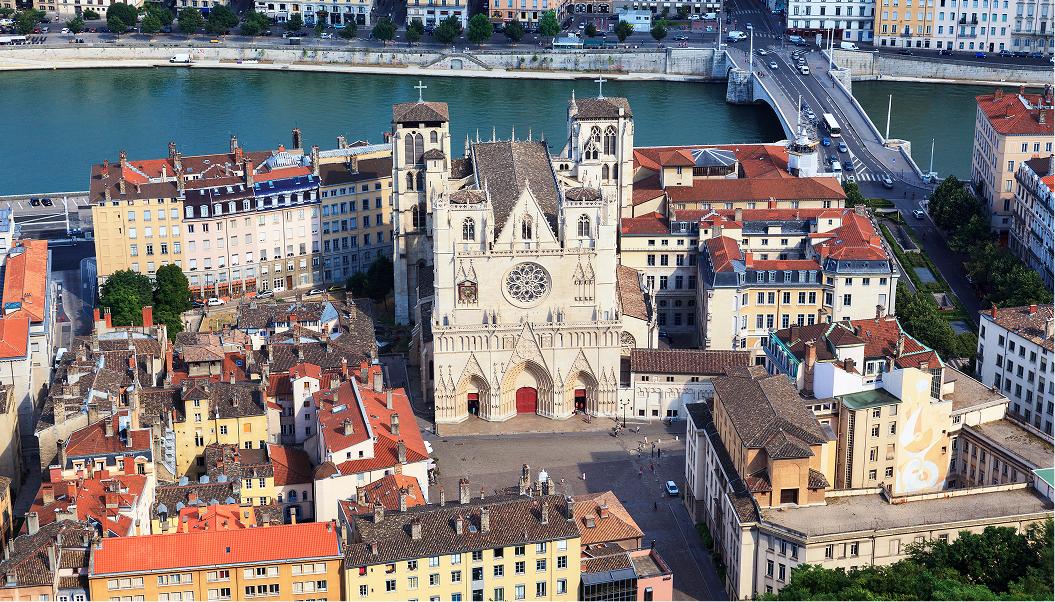
Researchers at the Family Holiday Association found that shared trips create some of the most enduring memories children carry into adulthood. Not just the big, expensive ones either. A weekend in a static caravan in Wales. A day trip to a city none of you had visited before. The memory is not really about the destination. It is about being thrown together and figuring it out.
For younger children, travel is genuinely formative. New foods, different languages, unfamiliar landscapes. It stretches their understanding of the world in ways that no classroom can replicate. They learn that not everyone does things the way we do, and that is not a threat, it is just interesting.
For younger children, travel is genuinely formative. New foods, different languages, unfamiliar landscapes. It stretches their understanding of the world in ways that no classroom can replicate. They learn that not everyone does things the way we do, and that is not a threat, it is just interesting.
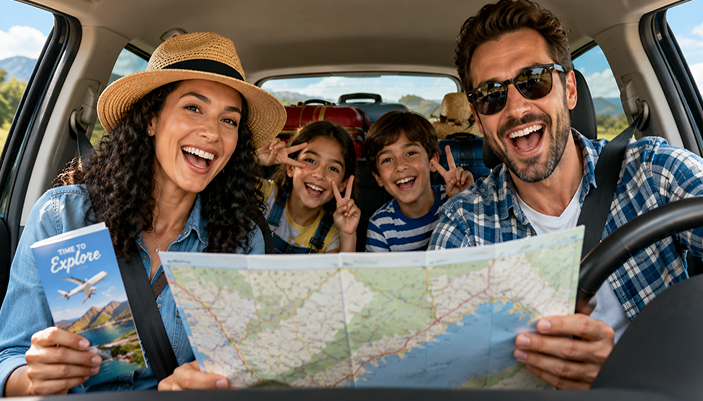
Teenagers are trickier, obviously. They can be deeply unimpressed by places that would have thrilled them at seven. But involve them in the planning, let them choose a restaurant, pick an activity, navigate using the map, and the dynamic changes. They stop being passengers and start feeling like they actually belong on the trip.
Grandparents who travel with grandchildren often describe those trips as among the most meaningful experiences of their later years. There is an intimacy to travelling together that everyday visits do not always produce. You are sharing firsts. You are watching a child experience something for the very first time, and that is a privilege.
Grandparents who travel with grandchildren often describe those trips as among the most meaningful experiences of their later years. There is an intimacy to travelling together that everyday visits do not always produce. You are sharing firsts. You are watching a child experience something for the very first time, and that is a privilege.
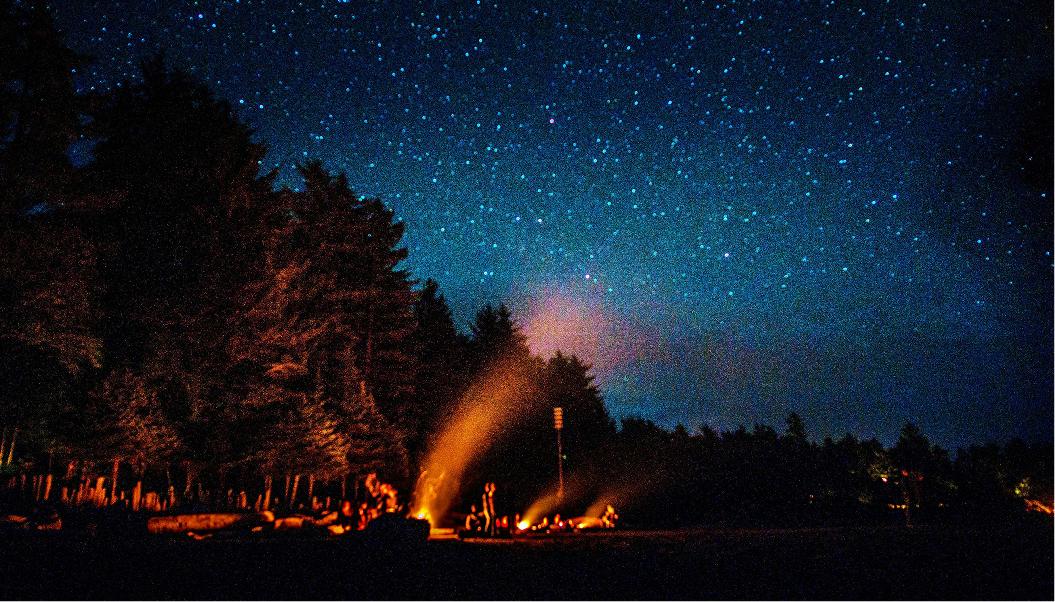
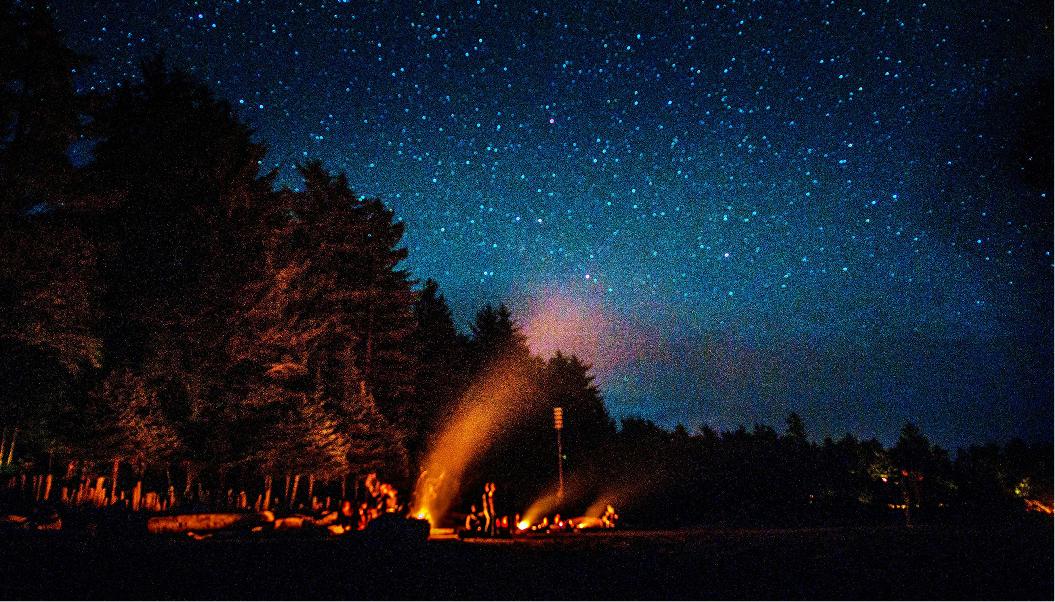
It does not have to cost a fortune. Some of the best family travel is stubbornly low-key. Camping, coastal walks, visiting relatives in places you have never been. The budget matters less than the intention, which is actually being present and actually being together.
The families who travel well together tend to share one quality: they have stopped trying to make everything perfect. The delayed flight, the hotel that did not match the photos, the restaurant that was shut. Those become the stories. Perfection is forgettable. Muddle-through-together is what sticks.
So if you have been putting off that trip because the timing is not ideal or the budget is tight or someone is bound to complain, perhaps just book it anyway. The memories you are waiting to make will not build themselves.
The families who travel well together tend to share one quality: they have stopped trying to make everything perfect. The delayed flight, the hotel that did not match the photos, the restaurant that was shut. Those become the stories. Perfection is forgettable. Muddle-through-together is what sticks.
So if you have been putting off that trip because the timing is not ideal or the budget is tight or someone is bound to complain, perhaps just book it anyway. The memories you are waiting to make will not build themselves.

Features