Habits the Healthiest People in the World Actually Have in Common

The longevity research field has had a complicated few years. On one side, rigorous epidemiological work in places like Sardinia's Barbagia region, the Japanese island of Okinawa, and the Nicoya Peninsula in Costa Rica, communities where people routinely live past ninety in good functional health. On the other side, the Silicon Valley biohacking movement, which has transformed longevity into a supplement stack, a continuous glucose monitor, and a very expensive blood panel. Both camps claim to have the answer. The interesting thing is that when you strip away the commercial noise, both approaches arrive at roughly the same short list of behaviours.
Dan Buettner's Blue Zone research, developed over two decades in collaboration with National Geographic and later with the National Institute on Aging, identified the world's longest-lived populations and analysed what they had in common. The finding was not genetic. The shared factors were behavioural and environmental: natural movement built into daily life rather than scheduled formal exercise; plant-heavy diets without rigidity or caloric restriction; strong social networks and a genuine sense of belonging to a community; a felt sense of purpose, what the Okinawans call ikigai, a reason to get up in the morning, and in most cases, a philosophical or faith framework that gave daily life meaning beyond productivity. Moderate wine consumption appeared in some populations but not others; the researchers treat it as a feature of social ritual rather than a direct health driver.
Dan Buettner's Blue Zone research, developed over two decades in collaboration with National Geographic and later with the National Institute on Aging, identified the world's longest-lived populations and analysed what they had in common. The finding was not genetic. The shared factors were behavioural and environmental: natural movement built into daily life rather than scheduled formal exercise; plant-heavy diets without rigidity or caloric restriction; strong social networks and a genuine sense of belonging to a community; a felt sense of purpose, what the Okinawans call ikigai, a reason to get up in the morning, and in most cases, a philosophical or faith framework that gave daily life meaning beyond productivity. Moderate wine consumption appeared in some populations but not others; the researchers treat it as a feature of social ritual rather than a direct health driver.
The most powerful longevity intervention in the research is also the most boring: not smoking and not being sedentary.
None of these things require a wearable device. Some of them actively resist quantification.
The most powerful longevity intervention in the research is also the most unglamorous: not smoking and not being physically inactive. Smoking reduces average life expectancy by approximately ten years, with the risk falling substantially after cessation regardless of age at which a person stops. Sedentary behaviour, defined in most research as prolonged sitting, particularly more than eight hours per day without regular breaks, is associated with elevated risk of cardiovascular disease, type 2 diabetes, and all-cause mortality at levels comparable to moderate smoking. A large meta-analysis published in the Annals of Internal Medicine found that among adults who sat for more than eight hours daily, regular physical activity significantly mitigated the mortality risk; but among those who were both sedentary and inactive, the combined risk was substantially elevated. These facts have been available for decades. They remain underreacted to.
None of these things require a wearable device. Some of them actively resist quantification.
The most powerful longevity intervention in the research is also the most unglamorous: not smoking and not being physically inactive. Smoking reduces average life expectancy by approximately ten years, with the risk falling substantially after cessation regardless of age at which a person stops. Sedentary behaviour, defined in most research as prolonged sitting, particularly more than eight hours per day without regular breaks, is associated with elevated risk of cardiovascular disease, type 2 diabetes, and all-cause mortality at levels comparable to moderate smoking. A large meta-analysis published in the Annals of Internal Medicine found that among adults who sat for more than eight hours daily, regular physical activity significantly mitigated the mortality risk; but among those who were both sedentary and inactive, the combined risk was substantially elevated. These facts have been available for decades. They remain underreacted to.

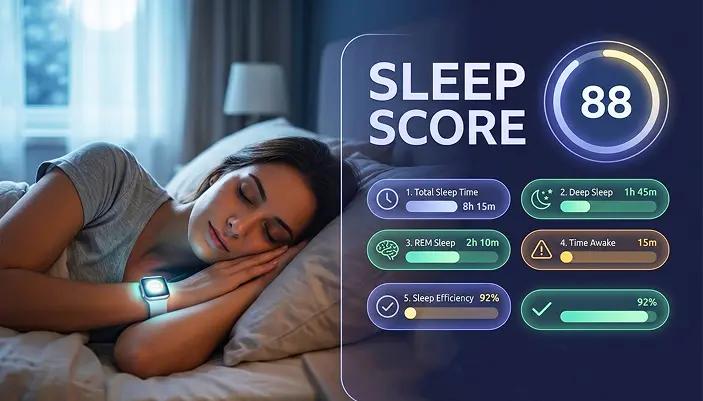
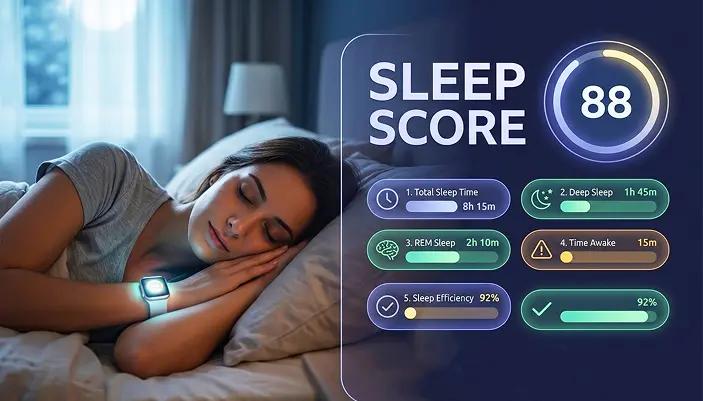
The evidence base for biohacker-adjacent recommendations is more variable, but not without substance. Consistent, high-quality sleep is among the most robustly supported health behaviours in the literature, Matthew Walker at UC Berkeley and Russell Foster at Oxford have both described poor sleep as the single most destructive health behaviour in the industrialised world. Adequate protein intake in midlife and later life, sufficient to counteract sarcopenic muscle loss, is supported by strong evidence. Resistance training from middle age onwards, as discussed elsewhere in this issue, is recommended by multiple health bodies. Attention to metabolic health, blood glucose regulation, avoidance of chronic insulin spikes, has a solid evidence base, though the optimal dietary pattern for achieving it remains debated.
The error in the biohacking framing is not in the individual recommendations but in the underlying model: longevity as an optimisation problem to be solved with the correct inputs, rather than as a byproduct of a life that is structurally arranged to support health. The Blue Zone populations were not optimising. They were living in ways that happened, by accident of culture and environment, to be compatible with long life.
Your grandmother, assuming she walked to the shops, ate real food, went to bed at a reasonable hour, and had people around her, was probably doing more right than the person with the continuous glucose monitor and the twice-daily ice bath. The habits that predict a longer, healthier life are available to everyone, and most of them are free. The harder question, one worth sitting with, is whether the way we have organised modern working life is compatible with any of them.
Your grandmother, assuming she walked to the shops, ate real food, went to bed at a reasonable hour, and had people around her, was probably doing more right than the person with the continuous glucose monitor and the twice-daily ice bath. The habits that predict a longer, healthier life are available to everyone, and most of them are free. The harder question, one worth sitting with, is whether the way we have organised modern working life is compatible with any of them.

Features