The Plants That Transformed My Sunny Border, and the Ones I Wish I'd Never Bought
The sunny border is the one garden situation where you are supposed to have everything going for you. Full sun, long growing season, the most photogenic planting palette available. What nobody tells you is that a south-facing border in a British summer is also prone to drought stress, soil bake and the particular disappointment of expensive plants that looked spectacular in the garden centre and arrived home to sulk for six weeks before quietly dying.
What actually works, after several seasons of learning this the expensive way, falls into two categories: the plants that take care of themselves and reward almost no intervention, and the plants that look temporarily magnificent and create problems you will be addressing for years.
The best plants for a sunny border are the ones that ask almost nothing and give back more than you expected.
What actually works, after several seasons of learning this the expensive way, falls into two categories: the plants that take care of themselves and reward almost no intervention, and the plants that look temporarily magnificent and create problems you will be addressing for years.
The best plants for a sunny border are the ones that ask almost nothing and give back more than you expected.
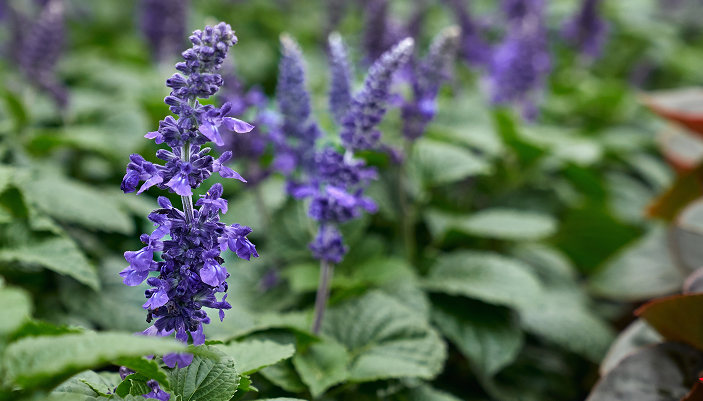
Salvia nemorosa in its various forms is the starting point for any sunny border and the plant I recommend to anyone who asks. Long flowering season from May to September with regular deadheading. Drought tolerant once established. Attractive to pollinators to the extent that the plant will be covered in bees throughout the summer. The blue-purple varieties work with almost everything else you might want to grow.
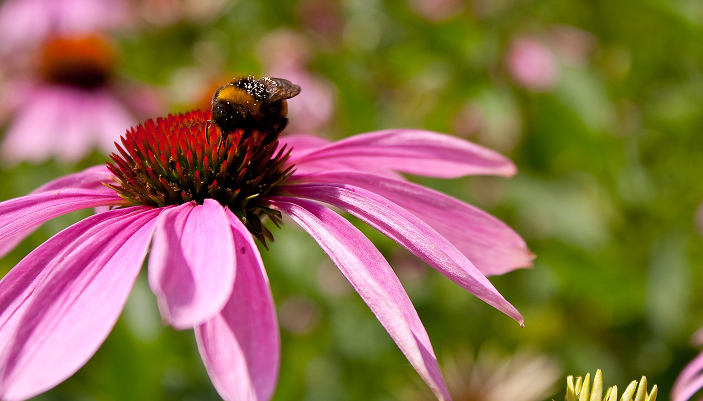
Echinacea, which took me two seasons to appreciate properly, is an extraordinary plant in a dry sunny position. The cone flowers last from July to October and the seed heads are attractive through winter if you leave them, which you should, because the birds use them and the structural element is genuinely good through frost.
Echinacea, which took me two seasons to appreciate properly, is an extraordinary plant in a dry sunny position. The cone flowers last from July to October and the seed heads are attractive through winter if you leave them, which you should, because the birds use them and the structural element is genuinely good through frost.
Agapanthus, if you have the patience for the establishment period, which is approximately two years of mild disappointment before something spectacular, is the plant that makes visitors ask what it is and where you got it. The blue forms are more versatile than the white. They require absolutely nothing once established beyond a potassium-rich feed in spring.
The plants I wish I had never bought: tree mallow, which is beautiful for one season and then becomes enormous, woody and difficult to manage. Anything with 'invasive' in the small print at the garden centre, a category I assumed applied to other people's gardens and does not.
The plants I wish I had never bought: tree mallow, which is beautiful for one season and then becomes enormous, woody and difficult to manage. Anything with 'invasive' in the small print at the garden centre, a category I assumed applied to other people's gardens and does not.
The garden centre is one of those places where the difference between a good purchase and a disappointing one is almost entirely research. The plants above have been tested in a real garden under real conditions. They are worth the spend.

Features