
The Small Changes That Make a Home Genuinely Greener (Without Spending a Fortune)
The sustainability conversation around homes has a scaling problem. The interventions that receive the most attention, heat pumps, solar panels, whole-house insulation retrofits, are genuinely impactful and genuinely expensive. For the majority of homeowners and almost all renters, they are not currently accessible.
This does not mean there is nothing useful to do. The smaller-scale changes available to anyone, regardless of whether they own their home, add up to a meaningful reduction in both environmental impact and household running costs.
The smaller-scale changes available to anyone add up to something meaningful, both for the household and for the bill.
This does not mean there is nothing useful to do. The smaller-scale changes available to anyone, regardless of whether they own their home, add up to a meaningful reduction in both environmental impact and household running costs.
The smaller-scale changes available to anyone add up to something meaningful, both for the household and for the bill.
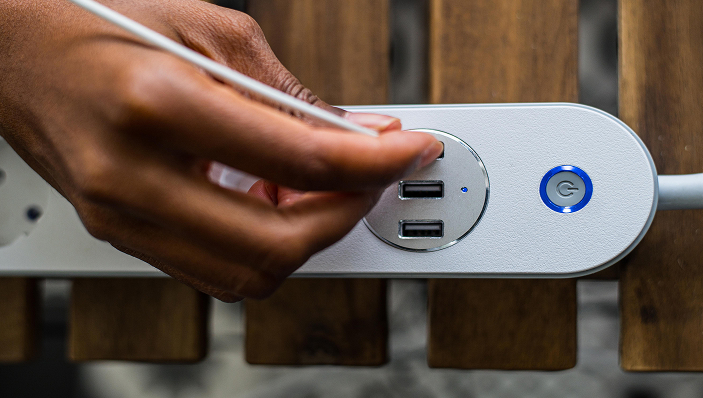
Standby power is consistently underestimated as a source of energy waste. The average British home loses between fifty and eighty pounds per year to devices left on standby, including televisions, game consoles, smart speakers and appliances with continuously illuminated displays. A smart plug that cuts power completely when a device is not in use pays for itself within two or three months.
The washing machine accounts for approximately ten percent of household energy consumption in a typical home. Washing at thirty degrees rather than forty reduces the energy used per cycle by roughly forty percent. Modern detergents are formulated to work effectively at thirty degrees. The exception is heavily soiled items and bedding, which benefit from a higher temperature wash monthly.
The washing machine accounts for approximately ten percent of household energy consumption in a typical home. Washing at thirty degrees rather than forty reduces the energy used per cycle by roughly forty percent. Modern detergents are formulated to work effectively at thirty degrees. The exception is heavily soiled items and bedding, which benefit from a higher temperature wash monthly.

Food waste is both an environmental and a financial issue that households consistently underestimate. The average British household throws away approximately five hundred pounds of food annually, according to WRAP, the waste reduction charity. Meal planning, proper food storage and understanding the difference between use-by and best-before dates, best-before is a quality indicator rather than a safety one, are the three interventions that address most of this.
A water-saving shower head, which costs between fifteen and thirty pounds and takes ten minutes to fit, reduces water consumption by approximately thirty percent without noticeably affecting shower pressure. In a home with a water meter, the saving appears on the bill within a quarter.
WPP Elevate members can access home and sustainability offers through the portal, including energy products and smart home technology at member rates. The changes above are modest individually and meaningful collectively.
WPP Elevate members can access home and sustainability offers through the portal, including energy products and smart home technology at member rates. The changes above are modest individually and meaningful collectively.

Features