
The Sunday Ritual: Why Families Who Eat Together Are Happier, Healthier and Closer
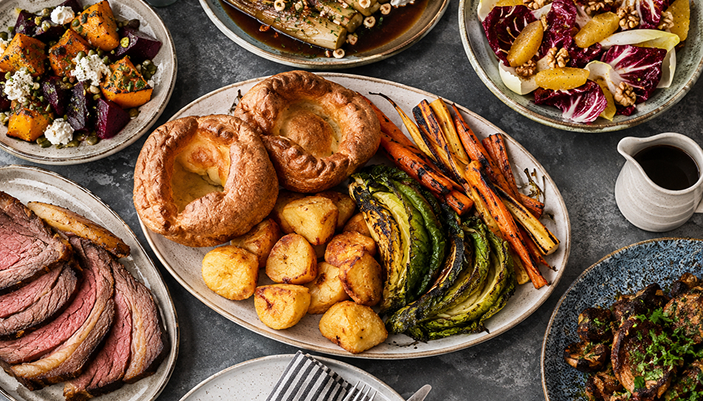
There is a reason so many of our clearest childhood memories involve food. Not just the taste of something but the scene around it. Who was there. What was being argued about. The particular smell of something cooking that you would know anywhere, even decades later.
The family meal has taken something of a battering in recent years. Busy schedules, different dietary requirements, teenagers who would rather eat in their rooms, parents who get home too late to sit down together on a weeknight. The daily family dinner, for many households, is more aspiration than reality.
Which is why the Sunday meal, whatever form it takes, matters more than it might seem.
The family meal has taken something of a battering in recent years. Busy schedules, different dietary requirements, teenagers who would rather eat in their rooms, parents who get home too late to sit down together on a weeknight. The daily family dinner, for many households, is more aspiration than reality.
Which is why the Sunday meal, whatever form it takes, matters more than it might seem.
Research from Columbia University found that teenagers who eat regularly with their families are less likely to develop problems with substance misuse, less likely to experience depression, and perform better academically. The meal itself is not magic. What matters is the regular, low-stakes opportunity to talk, to catch up, to notice if something is not quite right with someone.
It works at every age. Young children who eat with their parents develop larger vocabularies, as conversation at the table introduces words and ideas that would not otherwise come up. Older adults who share regular meals report lower rates of loneliness. Something about the ritual of sitting down together, even imperfectly, holds people.
It works at every age. Young children who eat with their parents develop larger vocabularies, as conversation at the table introduces words and ideas that would not otherwise come up. Older adults who share regular meals report lower rates of loneliness. Something about the ritual of sitting down together, even imperfectly, holds people.
The Sunday meal in British households has its own particular character. It is often roast dinner, obviously, but it does not have to be. What it tends to be is unhurried. A bit of effort. Something that says this time is set apart.
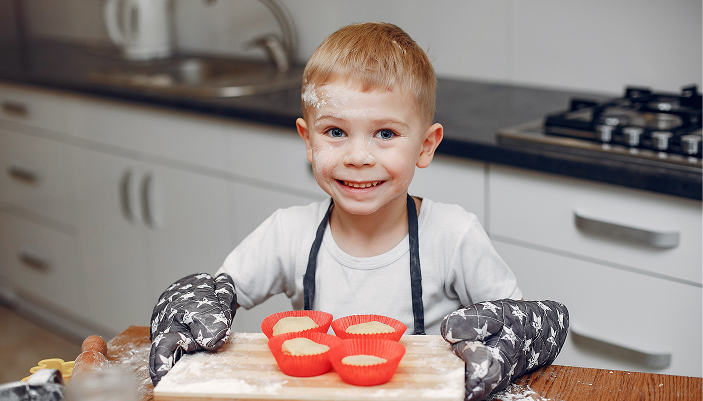
Getting children involved helps. A ten-year-old who has made the Yorkshire puddings has a stake in how they turn out. A teenager who chose the playlist or set the table has a small, low-key investment in the occasion. Ownership matters.
Getting children involved helps. A ten-year-old who has made the Yorkshire puddings has a stake in how they turn out. A teenager who chose the playlist or set the table has a small, low-key investment in the occasion. Ownership matters.
It does not need to be elaborate. The meals that get remembered are not always the impressive ones. They are the ones where everyone was actually in a good mood, where someone said something funny, where the conversation went somewhere unexpected.
If your family has let the Sunday ritual slip, it is worth reclaiming. Not as a grand project, just as a quiet commitment. Same time each week, phones in another room, something home-cooked on the table. The returns, over time, are hard to overstate.
If your family has let the Sunday ritual slip, it is worth reclaiming. Not as a grand project, just as a quiet commitment. Same time each week, phones in another room, something home-cooked on the table. The returns, over time, are hard to overstate.

Features