The Ten Pieces That Will Outlast Every Trend of the Next Decade
The fashion industry has a financial interest in the idea that clothes go out of style. Seasonality is a commercial mechanism, not a natural law. The trench coat did not become dated. The well-made white shirt has not required updating since the white shirt was invented. The navy blazer is the same navy blazer it was forty years ago. The pieces that last have always been there. The noise around them is what changes.
Building a wardrobe around a small number of excellent things rather than a large number of adequate ones is a different approach to dressing, and it requires a different approach to shopping. You buy less, consider more, and spend more per item, which sounds counterintuitive until you stop replacing things every eighteen months and start calculating the actual cost per wear. A coat worn two hundred times over five years costs a fraction of what a cheaper coat worn twenty times over one year costs. The economics of quality are simply different from what the fashion calendar wants you to believe.
The trench coat did not become dated. The well-made white shirt has not required updating since the white shirt was invented.
Building a wardrobe around a small number of excellent things rather than a large number of adequate ones is a different approach to dressing, and it requires a different approach to shopping. You buy less, consider more, and spend more per item, which sounds counterintuitive until you stop replacing things every eighteen months and start calculating the actual cost per wear. A coat worn two hundred times over five years costs a fraction of what a cheaper coat worn twenty times over one year costs. The economics of quality are simply different from what the fashion calendar wants you to believe.
The trench coat did not become dated. The well-made white shirt has not required updating since the white shirt was invented.
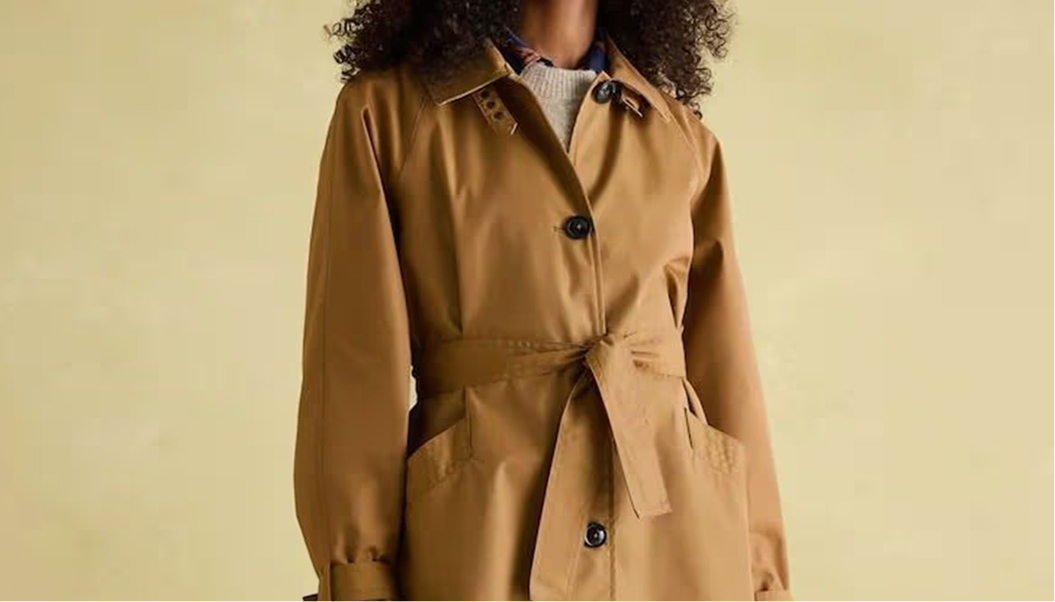
The pieces worth prioritising are as follows. A trench coat in camel or khaki, mid-length, belted. This goes with everything and belongs to no particular decade. Burberry invented the gabardine trench in the early twentieth century for British officers in the First World War, and the silhouette has not needed revision since. A pair of well-cut dark trousers in a fabric with some weight to it, wool or wool-mix, that can be dressed up or down without comment. A white shirt in a quality poplin, with proper buttons and a collar that holds its shape. A cashmere sweater in navy, grey or camel, which improves with washing over the first few years of wear. A leather shoe that takes a polish and improves with age.
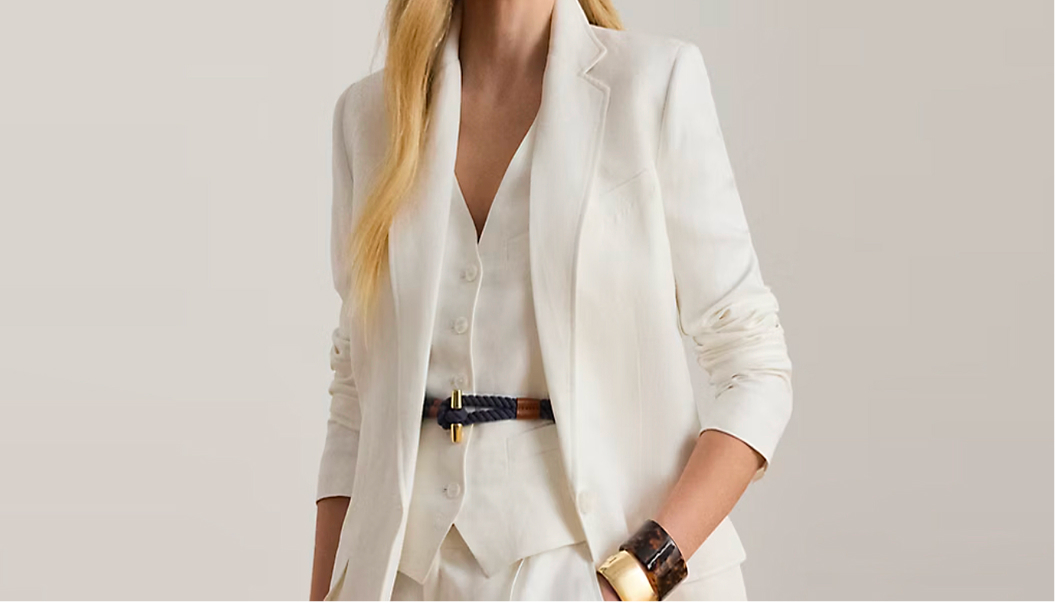
For women: a well-constructed blazer in a neutral that complements your colouring. A silk blouse that works under a blazer and over tailored trousers equally. A midi skirt in a solid colour. A pair of quality flat shoes that will still be wearable in ten years because the shape is classic and the leather is good. One excellent bag, bought for quality rather than logo. The bag is the piece where the investment argument is most clearly made. A well-made leather bag from a reputable maker will outlast five cheaper alternatives, look better doing it, and in some cases hold its value on the secondary market.
For women: a well-constructed blazer in a neutral that complements your colouring. A silk blouse that works under a blazer and over tailored trousers equally. A midi skirt in a solid colour. A pair of quality flat shoes that will still be wearable in ten years because the shape is classic and the leather is good. One excellent bag, bought for quality rather than logo. The bag is the piece where the investment argument is most clearly made. A well-made leather bag from a reputable maker will outlast five cheaper alternatives, look better doing it, and in some cases hold its value on the secondary market.
The test for all of these is simple: would this have worked ten years ago? Will it work in ten years? If both answers are yes, it belongs in the wardrobe. If the honest answer to either is probably not, it is a trend item, and trends are fine, but they should not cost the same as a piece of furniture.
The investment mindset also changes how you take care of things. A coat you spent three hundred pounds on gets properly stored, professionally cleaned, and repaired when the lining wears thin. A coat you spent sixty pounds on gets replaced. The environmental cost of the second approach is also considerably higher. Fast fashion accounts for approximately ten percent of global carbon emissions annually, according to the United Nations Environment Programme, and the average garment is now worn fewer than ten times before being discarded.
The investment mindset also changes how you take care of things. A coat you spent three hundred pounds on gets properly stored, professionally cleaned, and repaired when the lining wears thin. A coat you spent sixty pounds on gets replaced. The environmental cost of the second approach is also considerably higher. Fast fashion accounts for approximately ten percent of global carbon emissions annually, according to the United Nations Environment Programme, and the average garment is now worn fewer than ten times before being discarded.
Members have access to discounts at quality fashion and lifestyle retailers, including brands that specialise in exactly the kind of classic, well-made pieces described above. Log in to your benefits hub to browse current fashion and style offers.
FASHION AND STYLE DISCOUNTS FOR MEMBERS
Quality brands and classic pieces at exclusive member rates, available through your membership.
Log in to your benefits hub to browse fashion and style offers
FASHION AND STYLE DISCOUNTS FOR MEMBERS
Quality brands and classic pieces at exclusive member rates, available through your membership.
Log in to your benefits hub to browse fashion and style offers

Features