The Vintage Pieces People Are Paying Designer Prices For, and Why They're Right To
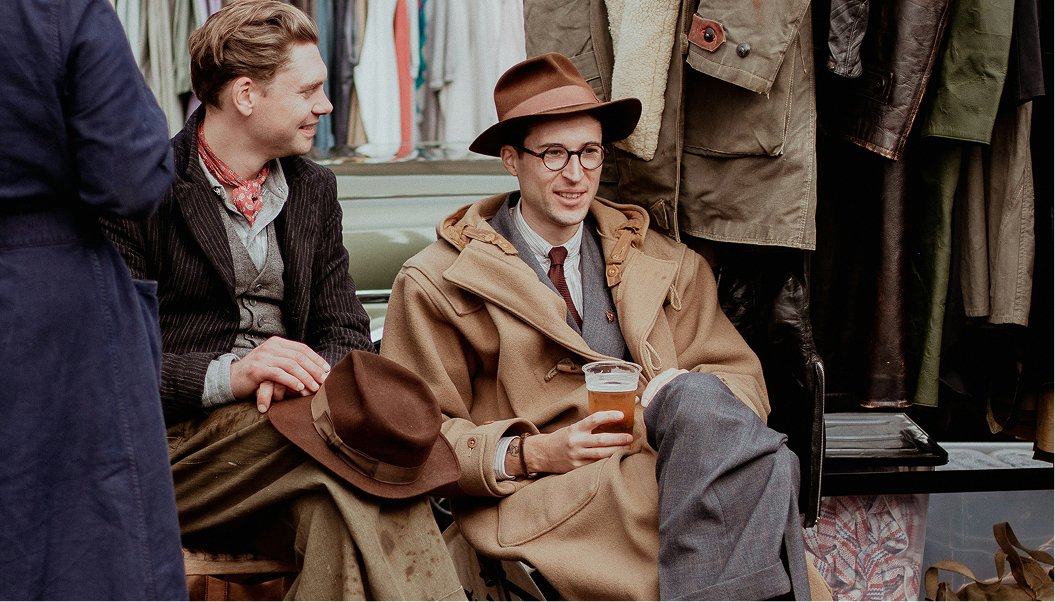
At some point in the past five years, vintage stopped being a category for people who could not afford new and became a category for people who understood what quality actually looks like. The shift has been commercial and cultural simultaneously, and it has permanently changed the resale market. The global secondhand apparel market was valued at approximately two hundred and twenty billion US dollars in 2023, according to ThredUp's annual Resale Report, and it is projected to more than double by 2032, growing three times faster than the broader apparel market.
The Hermes Birkin remains the most documented example of vintage fashion as investment. Independent analysis by the Art Market Research group has found that the Birkin appreciated at an average annual rate of around fourteen percent over the past thirty-five years, outperforming both the S&P 500 index and gold over the same period. But the financial argument for vintage extends well below the ultra-luxury tier, and the quality argument is often even more compelling than the investment one.
A Barbour jacket from the 1980s is better made than one you can buy today. The wax cotton is heavier, the stitching is denser.
The Hermes Birkin remains the most documented example of vintage fashion as investment. Independent analysis by the Art Market Research group has found that the Birkin appreciated at an average annual rate of around fourteen percent over the past thirty-five years, outperforming both the S&P 500 index and gold over the same period. But the financial argument for vintage extends well below the ultra-luxury tier, and the quality argument is often even more compelling than the investment one.
A Barbour jacket from the 1980s is better made than one you can buy today. The wax cotton is heavier, the stitching is denser.
Burberry trench coats from the 1990s regularly sell for more than current retail price on platforms such as Vestiaire Collective, not because buyers pay a premium for age but because the quality of the gabardine and the weight of the lining are genuinely different from current production. This is not nostalgia. It is a measurable difference in manufacturing standards that reflects the broader offshoring of production and the pressure on margins that has characterised the fashion industry since the 1990s.
A Barbour jacket from the 1980s is better made than one you can buy today. The wax cotton is heavier, the stitching is denser, and the construction is more robust. Vintage Levi's from before production moved offshore in the 1990s have a cut and a denim weight that the company has not been able to fully replicate even in its premium Levi's Vintage Clothing line. Welsh wool blankets and clothing produced before the mills modernised in the 1970s have a density that current production rarely achieves. In each case, the secondhand piece is the better object.
A Barbour jacket from the 1980s is better made than one you can buy today. The wax cotton is heavier, the stitching is denser, and the construction is more robust. Vintage Levi's from before production moved offshore in the 1990s have a cut and a denim weight that the company has not been able to fully replicate even in its premium Levi's Vintage Clothing line. Welsh wool blankets and clothing produced before the mills modernised in the 1970s have a density that current production rarely achieves. In each case, the secondhand piece is the better object.
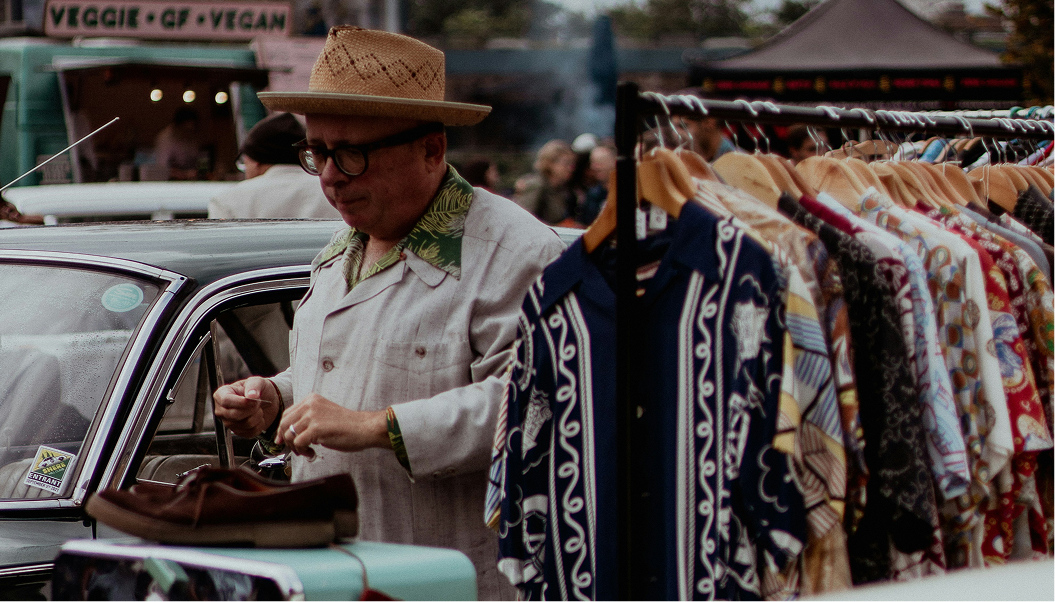
The argument for vintage is not purely financial. It is also environmental. The most sustainable garment is one that already exists. A secondhand cashmere sweater carries none of the production impact of a new one, and cashmere specifically improves with careful washing and wearing over the first several years of its life, becoming softer and more settled as the fibres bed in. The fashion industry is responsible for significant water consumption and carbon emissions globally, and extending the life of existing garments is one of the most direct ways an individual can reduce their contribution to that.
The platforms supporting the vintage market have matured considerably. Vestiaire Collective offers authentication services for branded and luxury pieces,
The platforms supporting the vintage market have matured considerably. Vestiaire Collective offers authentication services for branded and luxury pieces,
with a team of in-house experts checking items before they are shipped. eBay's Authenticity Guarantee
programme covers watches, trainers, handbags, and trading cards. Depop serves a younger buyer audience with a focus on streetwear and nineties fashion. Specialist dealers cover everything from military surplus to vintage couture, often with deep product knowledge and returns policies.
Whether you are buying vintage as an investment, for sustainability reasons, or simply because the quality is better, the market has never been better organised or more accessible. It is worth approaching your next wardrobe update with this in mind.
programme covers watches, trainers, handbags, and trading cards. Depop serves a younger buyer audience with a focus on streetwear and nineties fashion. Specialist dealers cover everything from military surplus to vintage couture, often with deep product knowledge and returns policies.
Whether you are buying vintage as an investment, for sustainability reasons, or simply because the quality is better, the market has never been better organised or more accessible. It is worth approaching your next wardrobe update with this in mind.

Features