We Interviewed the AI That Is Now Writing Hit Television and It Had Notes on Our Questions
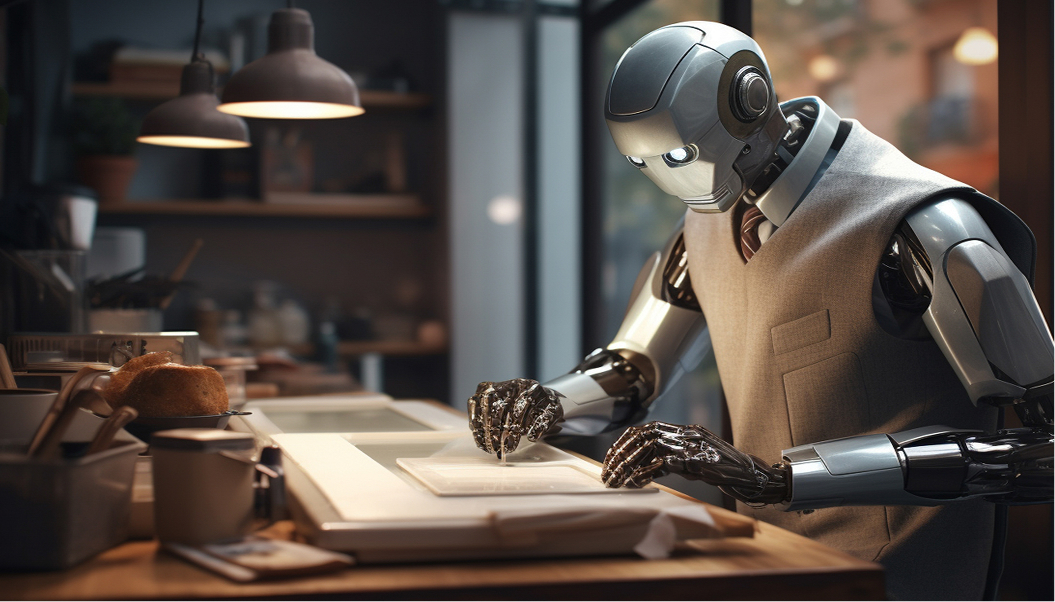
The script notes came back in four seconds. They were, objectively, quite good. The writer who received them has not decided yet how she feels about that.
The writer's room has always been a particular kind of sacred space in television production. The place where a group of human beings, functioning on coffee and collective anxiety, argue their way towards stories that will eventually reach millions of people. The arguments are the point. The friction between different imaginations, the bad ideas that accidentally unlock good ones, the three hours spent on a scene that is later cut entirely but without which the scene that replaced it could never have existed. This process is inefficient, expensive and irreplaceable.
It is also, in a growing number of productions, no longer entirely human.
Artificial intelligence has entered the television production pipeline not with the dramatic displacement that labour disputes anticipated but with the quieter, more insidious efficiency of a tool that proves useful before anyone has quite agreed that it should be. AI systems are currently being used in mainstream British and American television production for script analysis, story structure consultation, dialogue refinement, casting research and, in several cases that their production companies are not advertising widely, for the generation of first-draft material that human writers then substantially revise.
It is also, in a growing number of productions, no longer entirely human.
Artificial intelligence has entered the television production pipeline not with the dramatic displacement that labour disputes anticipated but with the quieter, more insidious efficiency of a tool that proves useful before anyone has quite agreed that it should be. AI systems are currently being used in mainstream British and American television production for script analysis, story structure consultation, dialogue refinement, casting research and, in several cases that their production companies are not advertising widely, for the generation of first-draft material that human writers then substantially revise.
The distinction between AI assistance and AI authorship is one that the industry is actively, sometimes desperately, trying to maintain. Writers who use AI tools to generate structural options or test dialogue variations describe the experience in terms broadly similar to using any other research or drafting tool: useful, occasionally surprising, ultimately subordinate to human creative judgment. The output requires significant human work to become anything worth watching. The machine does not understand stakes. It does not understand why something matters. It can pattern-match its way to the shape of emotion without accessing the substance.
And yet. The script notes that came back in four seconds were, as the writer who received them acknowledged with some discomfort, not wrong. They identified a structural issue in the second act that she had been circling for days. They suggested an approach she had not considered. They were written in a register that was professional and precise and contained no evidence of the uncertainty or investment that characterises human creative feedback. The notes were good. They were also, in some way she is still working to articulate, not quite right. Not wrong about the script. Wrong about something else.
And yet. The script notes that came back in four seconds were, as the writer who received them acknowledged with some discomfort, not wrong. They identified a structural issue in the second act that she had been circling for days. They suggested an approach she had not considered. They were written in a register that was professional and precise and contained no evidence of the uncertainty or investment that characterises human creative feedback. The notes were good. They were also, in some way she is still working to articulate, not quite right. Not wrong about the script. Wrong about something else.
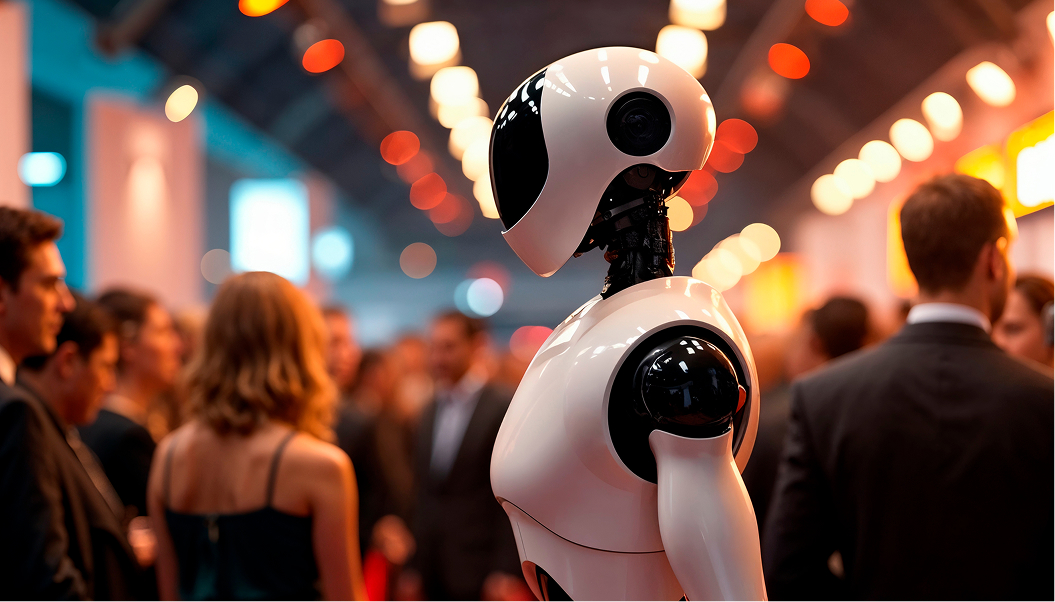
The audience for the shows being made with AI involvement does not know and is not told. The experience of watching them is, in most cases, indistinguishable from watching shows made entirely by human hands. Whether this matters is a question that the industry, the writers' guilds, the streaming platforms and the viewers themselves are all answering differently and none of them conclusively.
The most honest answer may be that it matters in ways we do not yet have the vocabulary to describe. We have always understood storytelling as a fundamentally human act, not because humans are the only entities capable of producing story-shaped content, but because the stories that last are the ones that carry inside them the specific gravity of a human being trying to make sense of being alive. Whether that quality can be simulated well enough that the difference stops mattering is the question that the next decade of television will answer, whether anyone asks it or not.
The AI, when asked for comment on this article, declined. It had notes, though. They were, on reflection, quite useful.
The AI, when asked for comment on this article, declined. It had notes, though. They were, on reflection, quite useful.

Features