When Home Stops Feeling Safe: How Families Navigate Anxiety, Mental Health and Supporting Each Other Through Hard Times
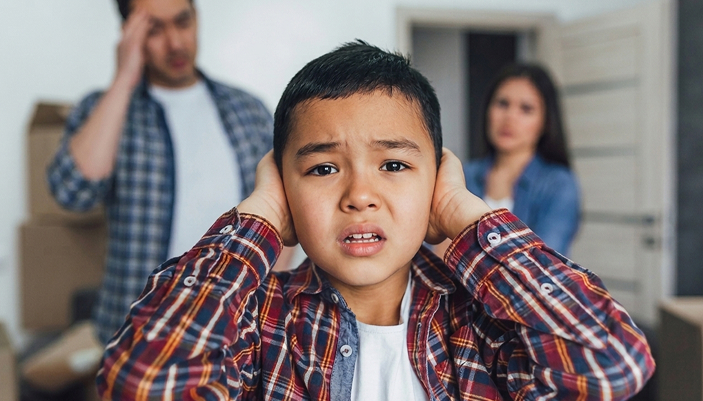
Most families have a version of this story. Someone starts withdrawing, staying in their room more, going quiet at the dinner table, snapping at small things. For a while everyone assumes it is just a phase, a bad week, tiredness. Then it goes on a bit longer and the worry sets in, unspoken at first, then harder to ignore.
Mental health difficulties inside a family are complicated in a way that physical illness often is not. If someone breaks their leg, the household reorganises around it without much debate. But anxiety, depression, or a child who has stopped going to school, these can be harder to name, harder to approach, and they tend to carry a weight of guilt and confusion that a broken bone does not.
Mental health difficulties inside a family are complicated in a way that physical illness often is not. If someone breaks their leg, the household reorganises around it without much debate. But anxiety, depression, or a child who has stopped going to school, these can be harder to name, harder to approach, and they tend to carry a weight of guilt and confusion that a broken bone does not.
The person struggling often feels it most acutely. There is a particular loneliness in not being able to explain what is wrong, especially to the people you live with and love. Many young people describe feeling like a burden, not because their family has made them feel that way, but because mental health difficulties have a way of turning your thinking against you.
For parents, the helplessness can be overwhelming. The instinct is to fix things, and when you cannot fix this, when the usual reassurances do not land and when you are not sure what the right thing to say even is, it can feel like failure. It is not. It is just that some things cannot be solved with the right words, and accepting that is actually the beginning of being genuinely useful.
For parents, the helplessness can be overwhelming. The instinct is to fix things, and when you cannot fix this, when the usual reassurances do not land and when you are not sure what the right thing to say even is, it can feel like failure. It is not. It is just that some things cannot be solved with the right words, and accepting that is actually the beginning of being genuinely useful.
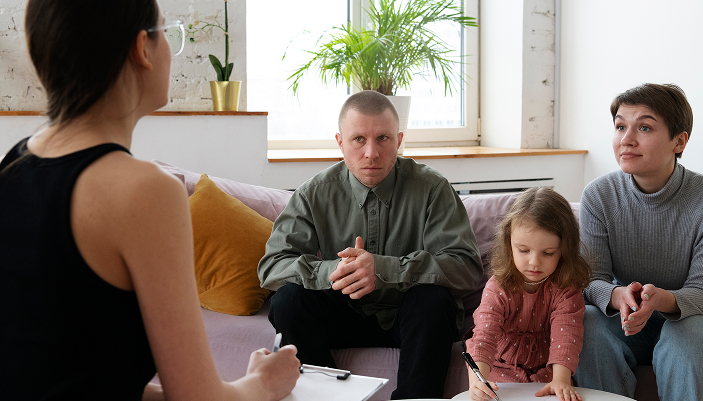
What tends to help more than advice or solutions is presence. Showing up consistently, without pressure. Letting someone know they are not alone in the house with whatever they are carrying. A parent who sits with a struggling teenager and says nothing in particular but stays, that matters more than most people realise.
Communication across a family often needs to shift when someone is struggling. Conversations that try to drill straight to the problem, asking what is wrong or why they feel this way or what can be done, can feel interrogative and make people close down. Gentler, more sideways approaches tend to work better. Talking while doing something else. Asking smaller questions. Leaving space without demanding it be filled.
Siblings are often forgotten in these situations. When one child is struggling, parental attention naturally shifts, and brothers and sisters can be left feeling confused, anxious, or quietly resentful without anyone noticing. Checking in with the whole family, not just the person in crisis, matters.
Communication across a family often needs to shift when someone is struggling. Conversations that try to drill straight to the problem, asking what is wrong or why they feel this way or what can be done, can feel interrogative and make people close down. Gentler, more sideways approaches tend to work better. Talking while doing something else. Asking smaller questions. Leaving space without demanding it be filled.
Siblings are often forgotten in these situations. When one child is struggling, parental attention naturally shifts, and brothers and sisters can be left feeling confused, anxious, or quietly resentful without anyone noticing. Checking in with the whole family, not just the person in crisis, matters.
Knowing when to bring in outside help is something families often wrestle with. There is still, despite everything, a reluctance to involve professionals. A sense that it means things have gone too far, or an admission of defeat. It is neither. Accessing a GP, a school counsellor, or a mental health service is just using what is available. The families who do it earlier tend to fare better than those who wait until things have become acute.
Hard times inside a family do not have to be defining. Many people look back on a period of real difficulty and describe how it changed things, not just painfully, but in ways that brought people closer, made conversations more honest, and shifted something that needed shifting. That is not a reason to minimise what is hard. It is just worth knowing that families can come through this, and often do.
If things feel unsafe or unmanageable at home right now, please do reach out to your GP or contact a service such as Mind or the Samaritans. You do not have to wait until it gets worse.
Your membership also provides you with access to Harley Therapy Platform with a 20% discount for members and connects you with affordable, qualified therapists across the UK.
Hard times inside a family do not have to be defining. Many people look back on a period of real difficulty and describe how it changed things, not just painfully, but in ways that brought people closer, made conversations more honest, and shifted something that needed shifting. That is not a reason to minimise what is hard. It is just worth knowing that families can come through this, and often do.
If things feel unsafe or unmanageable at home right now, please do reach out to your GP or contact a service such as Mind or the Samaritans. You do not have to wait until it gets worse.
Your membership also provides you with access to Harley Therapy Platform with a 20% discount for members and connects you with affordable, qualified therapists across the UK.

Features