Who Is Watching You Online? A Plain-English Guide to Protecting Your Digital Life
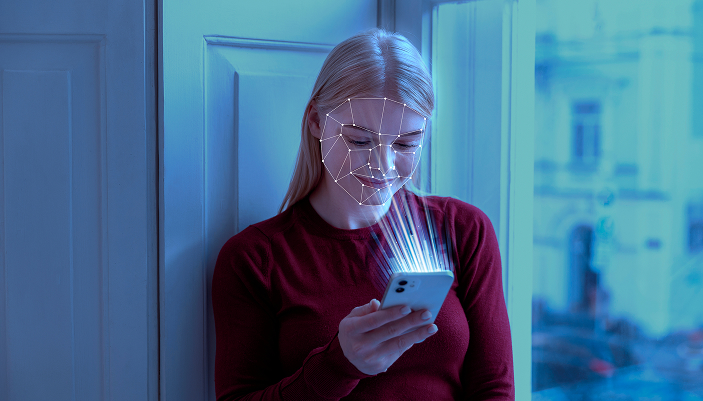
The answer to the question in the headline is, broadly, a lot of people you have not knowingly invited. Your internet service provider logs the sites you visit. The apps on your phone request permissions that go well beyond what they need to function. The free email service you have used for fifteen years reads your messages to target advertising. Your smart television tracks what you watch and when.
None of this requires a conspiracy theory. It is all documented in the terms and conditions that nobody reads.
The free service is never truly free. The product, in most cases, is the data your usage generates.
None of this requires a conspiracy theory. It is all documented in the terms and conditions that nobody reads.
The free service is never truly free. The product, in most cases, is the data your usage generates.
The practical steps available to anyone who wants to reduce their data exposure without abandoning digital life entirely are not particularly technical. A password manager is the first and most impactful. Most people use the same password, or slight variations on it, across multiple accounts. A single data breach then compromises every account that shares it. A password manager generates and stores unique passwords for every service, requiring you to remember one strong master password.
A VPN, particularly when using public wifi in hotels, cafes and airports, prevents your internet traffic from being readable by anyone operating the network. The paid VPN services from reputable providers are more reliable than free ones, which have their own data incentives.
A VPN, particularly when using public wifi in hotels, cafes and airports, prevents your internet traffic from being readable by anyone operating the network. The paid VPN services from reputable providers are more reliable than free ones, which have their own data incentives.
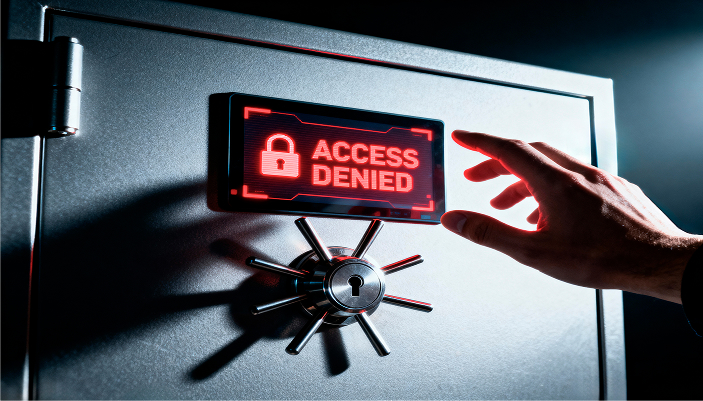
The app permissions audit is worth doing annually. Go to your phone's privacy settings, review which apps have access to your location, microphone, camera and contacts, and remove access for any app where you cannot explain why it needs it. A torch app does not need your location. A recipe app does not need your contacts.
Two-factor authentication on your email and financial accounts is the single most effective protection against account takeover and takes approximately three minutes to set up. Most people have not done it. Most people who have their accounts compromised wish they had.
Digital security is not an advanced topic. It is a practical one, and the steps above are available to anyone regardless of technical knowledge. Start with the password manager. The rest follows naturally once that habit is established.
Digital security is not an advanced topic. It is a practical one, and the steps above are available to anyone regardless of technical knowledge. Start with the password manager. The rest follows naturally once that habit is established.

Features