Your Sleep Is the Problem. Here’s What the Data Actually Says to Do About It
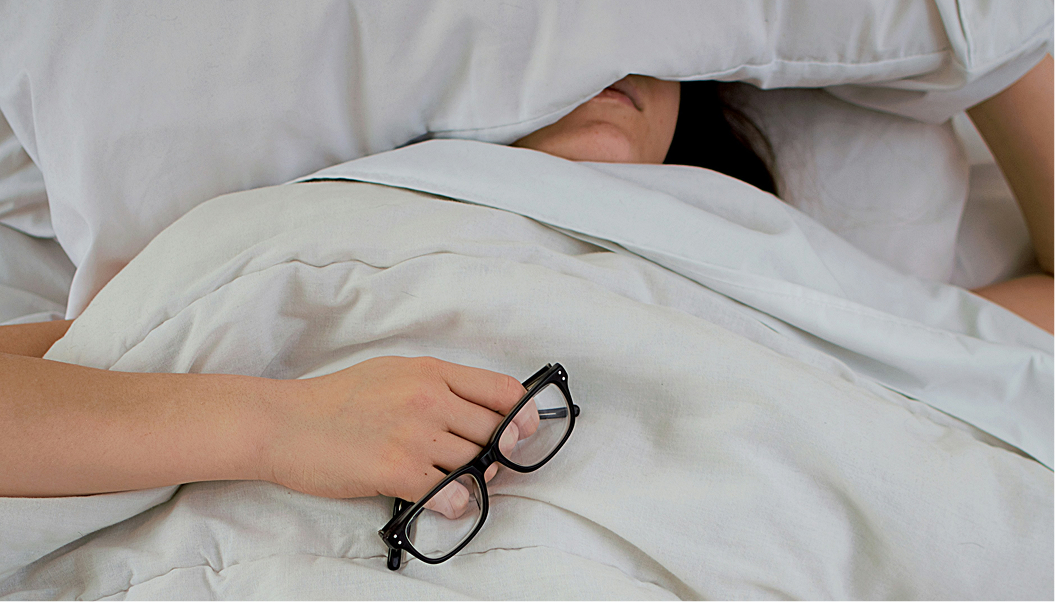
The sleep advice available online is overwhelming in quantity and unreliable in quality. For every piece of evidence-based guidance, there are ten products, programmesand lifestyle prescriptions built on nothing more rigorous than a wellness influencer's personal experience. Separating the useful from the noise requires spending time in the actual research, which most people reasonably do not do. This article does that for you.
The researchers worth knowing in this space include Matthew Walker, Professor of Neuroscience and Psychology at UC Berkeley and author of Why We Sleep (2017); Russell Foster, Professor of Circadian Neuroscience at the University of Oxford and one of the world's leading chronobiologists; and Dr Sophie Bostock, a sleep scientist who has spent a decade translating academic chronobiology into practical, clinically validated interventions. Their findings, and those of the wider sleep science community, converge on a relatively short list of things that actually matter.
Sleep debt is real and it accumulates across weeks. Two late nights do not cancel out with one long lie-in.
The researchers worth knowing in this space include Matthew Walker, Professor of Neuroscience and Psychology at UC Berkeley and author of Why We Sleep (2017); Russell Foster, Professor of Circadian Neuroscience at the University of Oxford and one of the world's leading chronobiologists; and Dr Sophie Bostock, a sleep scientist who has spent a decade translating academic chronobiology into practical, clinically validated interventions. Their findings, and those of the wider sleep science community, converge on a relatively short list of things that actually matter.
Sleep debt is real and it accumulates across weeks. Two late nights do not cancel out with one long lie-in.
Temperature is not a preference, it is a mechanism. Core body temperature needs to drop by approximately one degree Celsius for sleep onset to occur efficiently. This cooling process begins naturally in the evening as part of the circadian cycle, but it can be impeded by a warm bedroom. The Sleep Foundation and multiple clinical sleep guidelines recommend a bedroom temperature of between sixteen and nineteen degrees Celsius for optimal sleep onset and maintenance. People who find it difficult to fall asleep are often simply too warm. A cool room, a warm bath ninety minutes before bed (which paradoxically lowers core temperature through vasodilation), and breathable bedding are not luxuries but physiological supports.
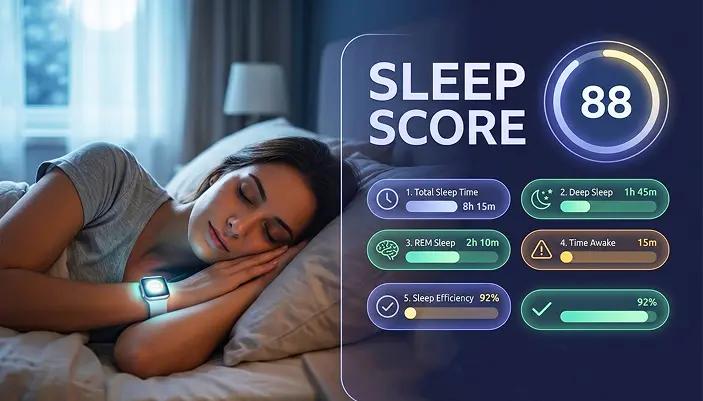
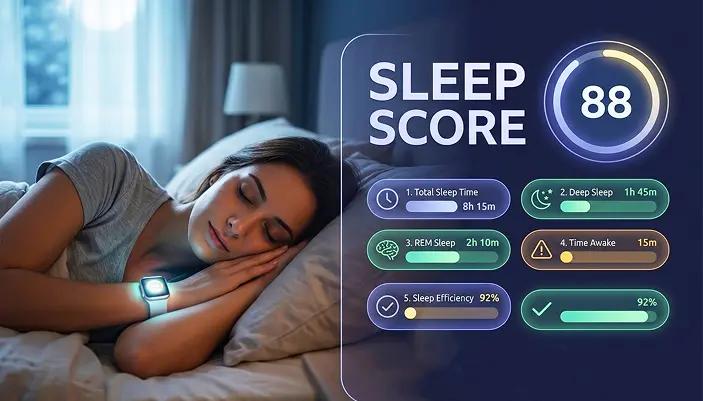
Alcohol is a sedative, not a sleep aid. This distinction matters. Alcohol acts on GABA receptors in the brain to produce sedation, which is why it reliably makes people fall asleep faster. But it suppresses REM sleep in the first half of the night and produces sleep fragmentation, more frequent brief awakenings, in the second half, as the body processes and eliminates the alcohol. The subjective experience of sleeping well after a drink is real. The objective sleep architecture, as measured by polysomnography or any consumer wearable device, is consistently and measurably worse. Both things are simultaneously true.
Alcohol is a sedative, not a sleep aid. This distinction matters. Alcohol acts on GABA receptors in the brain to produce sedation, which is why it reliably makes people fall asleep faster. But it suppresses REM sleep in the first half of the night and produces sleep fragmentation, more frequent brief awakenings, in the second half, as the body processes and eliminates the alcohol. The subjective experience of sleeping well after a drink is real. The objective sleep architecture, as measured by polysomnography or any consumer wearable device, is consistently and measurably worse. Both things are simultaneously true.
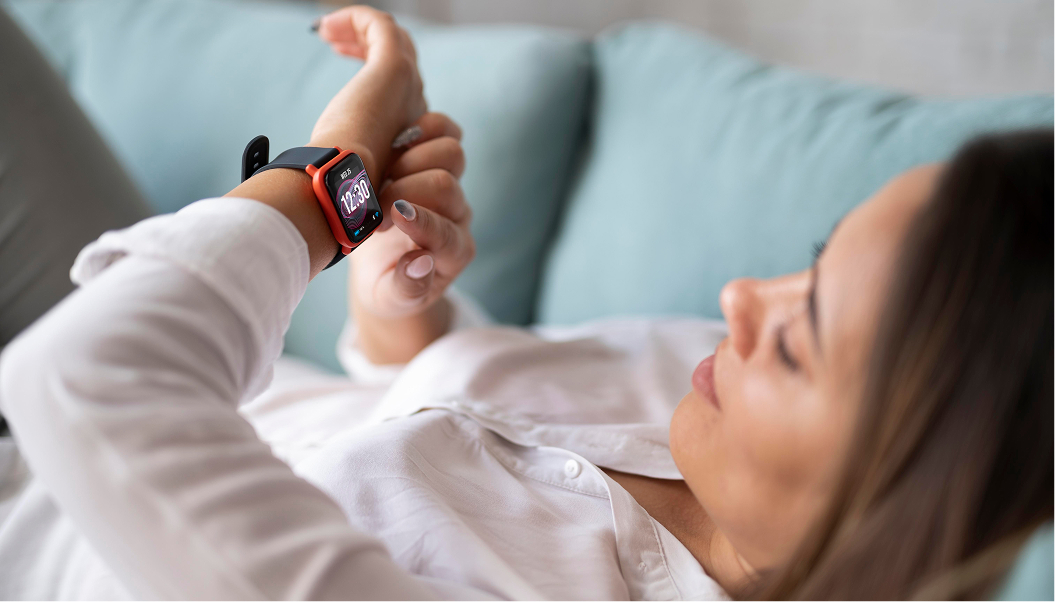
Sleep debt is real, it accumulates across days and weeks, and it is not fully reversible. A study published in Current Biology in 2019 found that while extended weekend sleep provided some recovery of subjective sleepiness and certain metabolic markers, it did not fully restore metabolic function, and some deficits, particularly in insulin sensitivity, actually worsened with irregular sleep timing. Two consecutive late nights followed by inconsistent recovery does not cancel out with a long lie-in on Saturday. The research on catch-up sleep suggests it provides partial recovery of some cognitive functions and minimal recovery of others.
Consistency of timing matters more than duration for most adults. The circadian system responds to regularity. Sleeping and waking at roughly the same time each day, including weekends, has a larger effect on daytime alertness, mood, and cognitive performance than an extra hour achieved through inconsistent timing. A stable sleep schedule supports the natural rhythm of melatonin secretion and cortisol response that governs the sleep-wake cycle.
Consistency of timing matters more than duration for most adults. The circadian system responds to regularity. Sleeping and waking at roughly the same time each day, including weekends, has a larger effect on daytime alertness, mood, and cognitive performance than an extra hour achieved through inconsistent timing. A stable sleep schedule supports the natural rhythm of melatonin secretion and cortisol response that governs the sleep-wake cycle.
Light is the primary zeitgeber, the environmental cue that anchors the circadian clock. Morning light exposure, particularly outdoor light in the first hour after waking, tells the brain what time it is and sets the clock forward accordingly. Blue light from screens in the evening suppresses melatonin onset by signalling to the brain that it is still daytime. The filter settings on devices (night mode, warm display) attenuate the effect but do not eliminate it. Turning off screens an hour before bed is more effective. This is not a complicated intervention. It is simply an unpopular one.
The evidence points consistently in one direction: sleep is a biological necessity with no adequate substitute, and the conditions that support it are neither expensive nor complicated. The difficult part is prioritising sleep above everything else that feels more urgent in the evening. It is worth doing so.
Log in to your benefits hub to explore sleep tracking tools and wellbeing resources available as part of your membership.
The evidence points consistently in one direction: sleep is a biological necessity with no adequate substitute, and the conditions that support it are neither expensive nor complicated. The difficult part is prioritising sleep above everything else that feels more urgent in the evening. It is worth doing so.
Log in to your benefits hub to explore sleep tracking tools and wellbeing resources available as part of your membership.

Features