
AI-Designed Homes Are Here. Would You Let an Algorithm Redecorate Your Living Room?
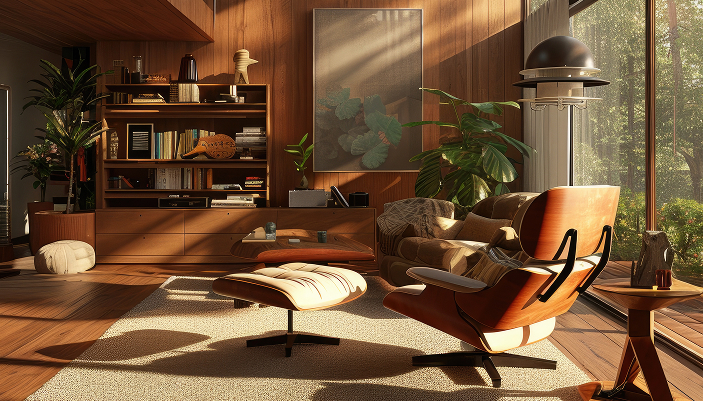
Artificial intelligence has already transformed the way we work, communicate and consume entertainment. Now it is coming for our living rooms, and the results are rather more impressive than you might expect.
AI-powered interior design tools have evolved rapidly from novelty toys into genuinely useful platforms that are changing the way people approach decorating their homes. Apps and services like Modsy, Planner 5D, DecorAI and even built-in features within platforms like Pinterest and Houzz now offer the ability to photograph your existing space and receive AI-generated redesign suggestions within seconds. Upload a picture of your living room, specify your preferred style, set a rough budget and the algorithm will generate photorealistic renders of your space transformed.
AI-powered interior design tools have evolved rapidly from novelty toys into genuinely useful platforms that are changing the way people approach decorating their homes. Apps and services like Modsy, Planner 5D, DecorAI and even built-in features within platforms like Pinterest and Houzz now offer the ability to photograph your existing space and receive AI-generated redesign suggestions within seconds. Upload a picture of your living room, specify your preferred style, set a rough budget and the algorithm will generate photorealistic renders of your space transformed.
The technology works by analysing your existing room dimensions, natural light conditions, current furniture placement and stated preferences, then drawing on enormous databases of design imagery, product catalogues and spatial planning rules to generate options. The better platforms allow you to click on any item in the render and see exactly where to buy it, at what price, with links directly to retailers. It is a genuinely seamless experience.
For homeowners who love the idea of redecorating but feel overwhelmed by where to start, these tools are transformative. The biggest barrier to interior design has always been the inability to visualise how things will look before you commit. Buying a sofa is an enormous investment when you cannot be certain it will work in your space. AI removes that uncertainty almost entirely.
For homeowners who love the idea of redecorating but feel overwhelmed by where to start, these tools are transformative. The biggest barrier to interior design has always been the inability to visualise how things will look before you commit. Buying a sofa is an enormous investment when you cannot be certain it will work in your space. AI removes that uncertainty almost entirely.
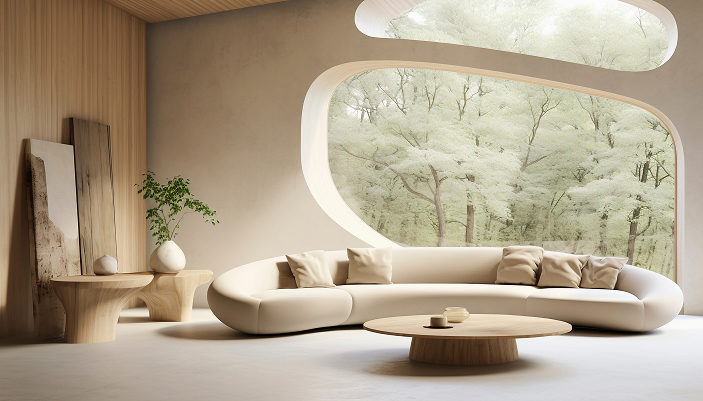
Professional interior designers have mixed feelings about the development, as you might expect. Some view AI tools as a threat to their livelihoods. Others have embraced them enthusiastically as a way to work more efficiently, generating initial concept options for clients in a fraction of the time it once took. The consensus among designers who have engaged seriously with the technology is that AI can handle the visual and spatial mechanics of design with impressive competence, but still lacks the deeper understanding of how a specific family lives in a space, what emotionally resonates for them and how a room should feel over time.
That distinction matters. A beautifully rendered AI living room can still feel somehow unlived in, an assemblage of photogenic objects that lacks the idiosyncratic, personal warmth that makes a space truly a home.
That distinction matters. A beautifully rendered AI living room can still feel somehow unlived in, an assemblage of photogenic objects that lacks the idiosyncratic, personal warmth that makes a space truly a home.
The curated imperfection of a well-loved room, the family photographs, the slightly battered favourite armchair, the books that do not quite match the colour scheme: these are things no algorithm will suggest.
The sweet spot, as with so many areas where AI intersects with human creativity, is probably a collaboration. Use AI to handle the spatial planning, the product sourcing and the initial visual exploration. Then bring your own taste, your own stories and your own personality to shape something that is genuinely yours.
The algorithm can redecorate your living room. Whether it can make it feel like home is another question entirely.
The sweet spot, as with so many areas where AI intersects with human creativity, is probably a collaboration. Use AI to handle the spatial planning, the product sourcing and the initial visual exploration. Then bring your own taste, your own stories and your own personality to shape something that is genuinely yours.
The algorithm can redecorate your living room. Whether it can make it feel like home is another question entirely.