Chew Slowly, Don’t Skip Breakfast and Eat 30 Plants a Week: 14 Easy Food Changes for 2026
If you’re planning to feel better in 2026 without falling into the trap of extreme diets, you’re not alone. The good news is that the biggest improvements often come from the smallest changes. No calorie counting. No complicated rules. Just practical habits that help you eat well, feel energised and stay consistent.
Here are 14 easy food changes to try in 2026, starting with three of the most underrated ones: chew slowly, eat breakfast, and aim for 30 plants a week.
1) Chew more slowly
It sounds too simple, but slowing down makes a real difference. Chewing properly helps digestion, reduces bloating and gives your body time to register fullness. Try putting your fork down between bites or taking a sip of water mid-meal.
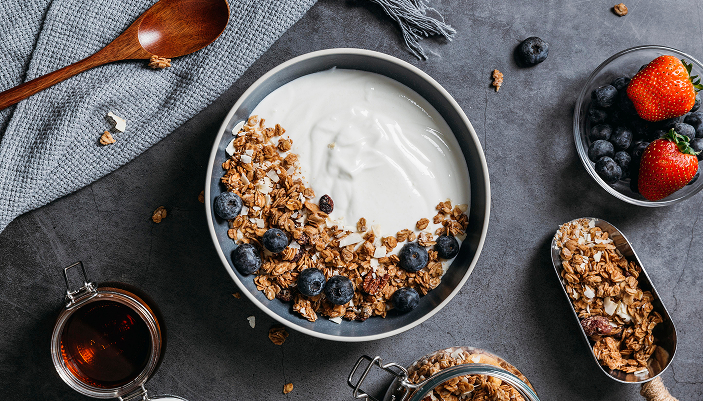
2) Don’t skip breakfast (most days)
Breakfast doesn’t have to be fancy. The aim is to start the day with something that steadies your energy and reduces the chance of mid-morning snacking. A yoghurt bowl, eggs on toast or overnight oats all count.
Here are 14 easy food changes to try in 2026, starting with three of the most underrated ones: chew slowly, eat breakfast, and aim for 30 plants a week.
1) Chew more slowly
It sounds too simple, but slowing down makes a real difference. Chewing properly helps digestion, reduces bloating and gives your body time to register fullness. Try putting your fork down between bites or taking a sip of water mid-meal.
2) Don’t skip breakfast (most days)
Breakfast doesn’t have to be fancy. The aim is to start the day with something that steadies your energy and reduces the chance of mid-morning snacking. A yoghurt bowl, eggs on toast or overnight oats all count.
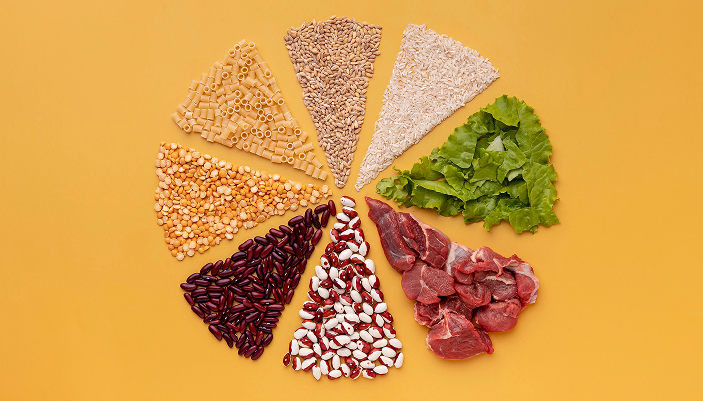
3) Aim for 30 plants a week
This doesn’t mean 30 salads. “Plants” includes fruit, veg, beans, lentils, wholegrains, nuts, seeds, herbs and spices. The variety is what matters, because it supports a healthier gut.
4) Add protein to every meal
Protein helps keep you full and supports muscle health. Add eggs, Greek yoghurt, lentils, chicken, tofu, fish or beans.
5) Upgrade your snacks
Swap biscuits and crisps for snacks that actually fuel you. Think nuts, fruit, hummus, cheese, boiled eggs or yoghurt.
6) Eat one extra portion of veg a day
Don’t overhaul your whole diet. Just add one more portion. A handful of spinach in a smoothie, frozen peas in pasta, or side salad with lunch.
7) Drink water before coffee
Many people wake up dehydrated. A glass of water before your first coffee can improve energy, digestion and focus.
This doesn’t mean 30 salads. “Plants” includes fruit, veg, beans, lentils, wholegrains, nuts, seeds, herbs and spices. The variety is what matters, because it supports a healthier gut.
4) Add protein to every meal
Protein helps keep you full and supports muscle health. Add eggs, Greek yoghurt, lentils, chicken, tofu, fish or beans.
5) Upgrade your snacks
Swap biscuits and crisps for snacks that actually fuel you. Think nuts, fruit, hummus, cheese, boiled eggs or yoghurt.
6) Eat one extra portion of veg a day
Don’t overhaul your whole diet. Just add one more portion. A handful of spinach in a smoothie, frozen peas in pasta, or side salad with lunch.
7) Drink water before coffee
Many people wake up dehydrated. A glass of water before your first coffee can improve energy, digestion and focus.
8) Choose fibre first
Fibre is one of the biggest missing pieces in modern diets. Oats, beans, berries, wholegrain bread and vegetables are simple ways to boost it. Eat vegs first then protein, then carbs.
9) Make “half your plate” plants
At lunch and dinner, try filling half your plate with veg, salad or beans. It’s a simple visual trick that works.
10) Eat without screens, sometimes!
Scrolling while eating makes it easy to overeat without noticing. Even one screen-free meal a day can help.
11) Add a fermented food
Yoghurt, kefir, kimchi, sauerkraut and kombucha can support gut health. Start small and choose options with minimal added sugar.
Fibre is one of the biggest missing pieces in modern diets. Oats, beans, berries, wholegrain bread and vegetables are simple ways to boost it. Eat vegs first then protein, then carbs.
9) Make “half your plate” plants
At lunch and dinner, try filling half your plate with veg, salad or beans. It’s a simple visual trick that works.
10) Eat without screens, sometimes!
Scrolling while eating makes it easy to overeat without noticing. Even one screen-free meal a day can help.
11) Add a fermented food
Yoghurt, kefir, kimchi, sauerkraut and kombucha can support gut health. Start small and choose options with minimal added sugar.
12) Cook one more meal at home per week
Cooking doesn’t need to be complicated. A tray bake, stir-fry or slow cooker meal can save money and reduce ultra-processed food.
13) Plan “emergency food”
Keep easy options ready for busy days: tinned tuna, microwavable rice, frozen veg, eggs, beans, wraps, or soup. This stops last-minute takeaway decisions.
14) Be consistent, not perfect
The best diet is the one you can stick to. If you manage 10 out of 14 habits most of the time, you’ll be in a brilliant place by the end of 2026.
In the end, healthy eating is not about restriction. It’s about building simple routines that make good choices feel easier. Start with one change this week and let the momentum build.
Cooking doesn’t need to be complicated. A tray bake, stir-fry or slow cooker meal can save money and reduce ultra-processed food.
13) Plan “emergency food”
Keep easy options ready for busy days: tinned tuna, microwavable rice, frozen veg, eggs, beans, wraps, or soup. This stops last-minute takeaway decisions.
14) Be consistent, not perfect
The best diet is the one you can stick to. If you manage 10 out of 14 habits most of the time, you’ll be in a brilliant place by the end of 2026.
In the end, healthy eating is not about restriction. It’s about building simple routines that make good choices feel easier. Start with one change this week and let the momentum build.