Eating the Ugly: The Quiet Revolution Against Beautiful Food
The courgette was twisted, a little pale at one end, and roughly the shape of a question mark. At a supermarket, it would never have made it to the shelf. At Cornerstone, a Hackney restaurant that has become one of London's most talked-about dining rooms, it arrived at the table roasted whole, draped in brown butter and scattered with toasted hazelnuts. It was, in every meaningful sense, perfect.
Something is shifting in the way Britain thinks about beautiful food. For years, the visual language of the plate was governed by a rigid aesthetic: symmetry, colour, precision. Instagram turned a meal into a performance, and chefs learned quickly that a dish needed to be photographed before it was eaten. The result was food that looked extraordinary and frequently tasted of very little. Architecture had won over agriculture.
Something is shifting in the way Britain thinks about beautiful food. For years, the visual language of the plate was governed by a rigid aesthetic: symmetry, colour, precision. Instagram turned a meal into a performance, and chefs learned quickly that a dish needed to be photographed before it was eaten. The result was food that looked extraordinary and frequently tasted of very little. Architecture had won over agriculture.
The backlash, when it came, arrived not with fanfare but with misshapen carrots and bruised plums. A growing number of chefs and home cooks are making a deliberate choice to work with ingredients exactly as they arrive, bumps and all, and to let that honesty of form translate into honesty of flavour. The ugly produce movement, as it has been loosely labelled, is less a trend than a reckoning.
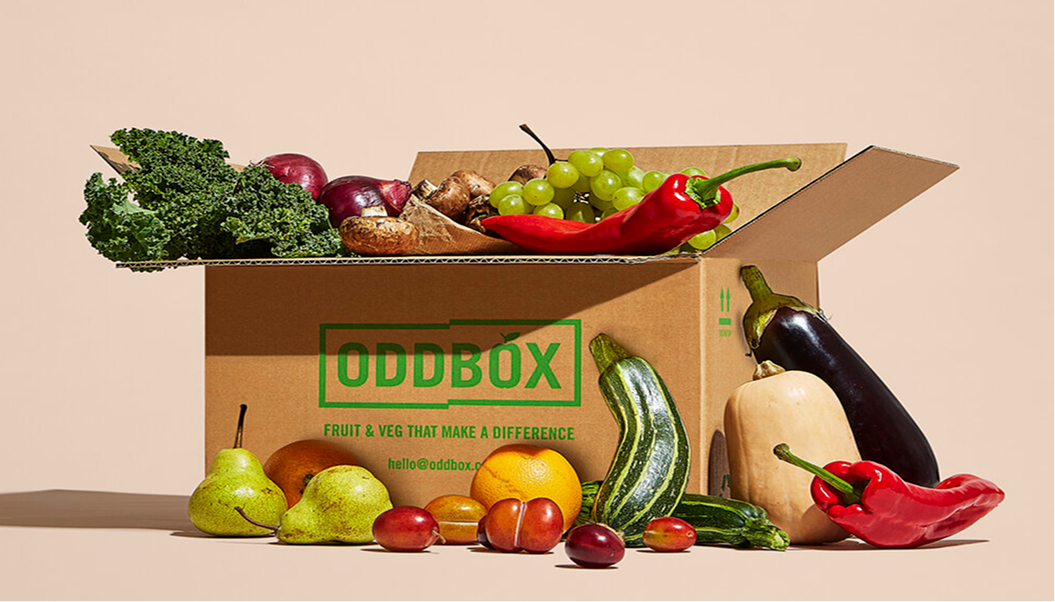
Oddbox, a subscription service delivering wonky and surplus fruit and vegetables to British homes, has grown dramatically in recent years. Their boxes contain produce that would otherwise go to waste simply because it does not conform to retail specifications. A carrot with two legs, a knobbly parsnip, a strawberry the size of a fist. These are not inferior products. In many cases, they are superior ones, grown more slowly or harvested a touch later, carrying more sugar and more character than their camera-ready cousins.
Oddbox, a subscription service delivering wonky and surplus fruit and vegetables to British homes, has grown dramatically in recent years. Their boxes contain produce that would otherwise go to waste simply because it does not conform to retail specifications. A carrot with two legs, a knobbly parsnip, a strawberry the size of a fist. These are not inferior products. In many cases, they are superior ones, grown more slowly or harvested a touch later, carrying more sugar and more character than their camera-ready cousins.
In professional kitchens, the aesthetic shift is more nuanced. It is not that chefs have abandoned the desire to present beautiful food. It is that the definition of beautiful has expanded. Burnt edges are no longer mistakes but signatures. A broken sauce can be more interesting than a smooth one. The imperfect quenelle, the uneven slice, the slightly collapsed tart are all acceptable now, even desirable, provided the flavour beneath them is compelling.
Chef Margot Henderson, whose cooking at Rochelle Canteen has long championed simplicity and seasonal honesty, has spoken often about the tyranny of the perfect plate. Her food is generous and unself-conscious, the kind of cooking that invites you to lean in rather than step back and take a photograph. It is food that trusts its ingredients rather than disguising them.
Chef Margot Henderson, whose cooking at Rochelle Canteen has long championed simplicity and seasonal honesty, has spoken often about the tyranny of the perfect plate. Her food is generous and unself-conscious, the kind of cooking that invites you to lean in rather than step back and take a photograph. It is food that trusts its ingredients rather than disguising them.
There is something deeper at work here than mere aesthetics. The obsession with visual perfection in food has real environmental costs. An estimated thirty per cent of vegetables grown in the UK never reach consumers because they fail cosmetic standards. Addressing that waste requires not just logistical solutions but a cultural one, a willingness to see value in the irregular, the weathered, the thoroughly unbeautiful.
The ugly revolution is, at its heart, an argument for tasting over looking. The question mark courgette was delicious. It did not need to be anything else.
The ugly revolution is, at its heart, an argument for tasting over looking. The question mark courgette was delicious. It did not need to be anything else.