
Fire and Memory: How Wood Smoke Became Fine Dining's Favourite Ingredient
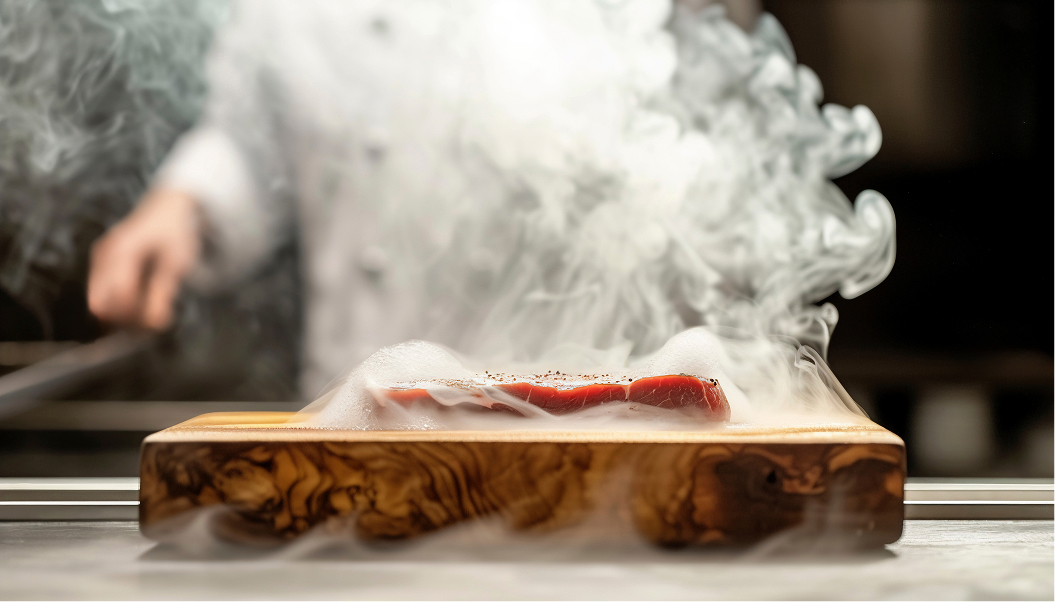
Before there were kitchens, there was fire. Before stocks were reduced and sauces were mounted with butter and precision had become the primary language of professional cooking, there was an open flame and the smell of something animal rendered over it. That smell, it turns out, goes very deep. Deeper, perhaps, than any other food memory we carry.
The live fire movement in British restaurants is no longer new enough to be called a trend. What began as a handful of chefs installing wood-fired grills in their kitchens has become a wholesale reimagining of how heat is applied to food at the highest levels of cooking. It has also prompted a richer, more global conversation about what fire means in different culinary traditions and why those traditions are only now receiving the attention they deserve.
In Argentina, the asado is not merely a cooking method but a social institution. A proper asado takes four or five hours, conducted over a wood fire that produces low, radiant heat rather than the fierce direct flame of a barbecue. The gaucho tradition of whole animal cookery over embers has influenced chefs from São Paulo to Stockholm, and its central lesson, that patience and the right wood matter enormously, has reshaped how many British chefs approach live fire cooking.
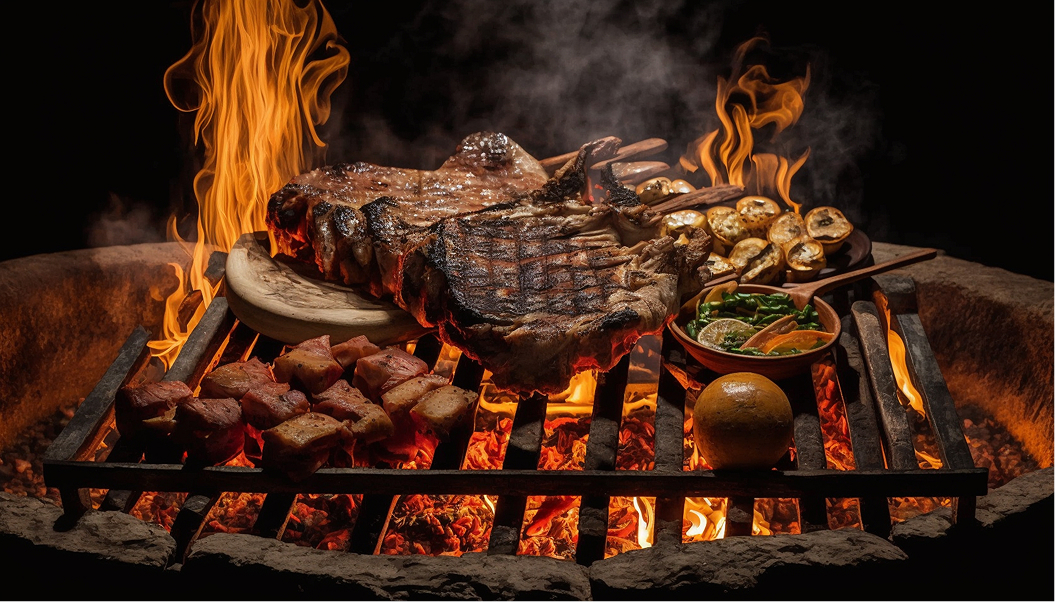
West African food traditions, long underrepresented in discussions of global culinary influence, offer some of the most sophisticated uses of smoke in the world. Suya, the spiced skewered meat cooked over hardwood coals by street vendors across Nigeria and Ghana, achieves a crust of extraordinary complexity through the interaction of groundnut paste, spice and fire. British chefs exploring West African techniques are discovering a grammar of smoke that broadens and enriches their own cooking enormously.
There is something else too. In a food culture saturated with complexity, with fermentation and precision and technique layered upon technique, there is relief in the absolute simplicity of something good placed over heat and left to do what fire has always done to food. It is the oldest cooking there is, and in the hands of a skilled chef who understands wood and flame and time, it remains among the finest.