Friendship in Your Forties: Why Making New Friends as an Adult Is Harder Than Ever and How to Actually Do It

At some point in your late thirties or early forties, you may have noticed something quietly alarming: the social world that once seemed effortlessly populated with friends, colleagues and acquaintances has thinned out. People have moved away. Relationships built around shared circumstances, the office, the children's school gate, the gym class, have dissolved as those circumstances changed. The friends you have are treasured, but making new ones seems to have become mysteriously, frustratingly difficult.
You are not imagining it. The research on adult friendship is fairly sobering. Studies consistently find that people's social networks contract significantly after their mid-twenties and continue to narrow through middle age. The mechanisms that produced friendship effortlessly in childhood and early adulthood, proximity, repetition and shared new experiences, are simply less present in established adult life. You are no longer thrown together with fifty strangers every September for years at a stretch. The natural infrastructure of friendship has largely disappeared.
You are not imagining it. The research on adult friendship is fairly sobering. Studies consistently find that people's social networks contract significantly after their mid-twenties and continue to narrow through middle age. The mechanisms that produced friendship effortlessly in childhood and early adulthood, proximity, repetition and shared new experiences, are simply less present in established adult life. You are no longer thrown together with fifty strangers every September for years at a stretch. The natural infrastructure of friendship has largely disappeared.
The loneliness statistics for middle-aged adults are striking. Surveys regularly find that significant proportions of adults over thirty-five describe themselves as lonely, with men over forty consistently identified as one of the most socially isolated demographic groups in Britain. This matters enormously for health: loneliness is associated with increased risk of heart disease, cognitive decline, depression and reduced immune function. The biological effect of chronic loneliness is comparable to smoking fifteen cigarettes a day.
So how do you actually make new friends as an adult? The research on adult friendship formation has identified several conditions that consistently produce connection, and they map onto practical strategies.
So how do you actually make new friends as an adult? The research on adult friendship formation has identified several conditions that consistently produce connection, and they map onto practical strategies.
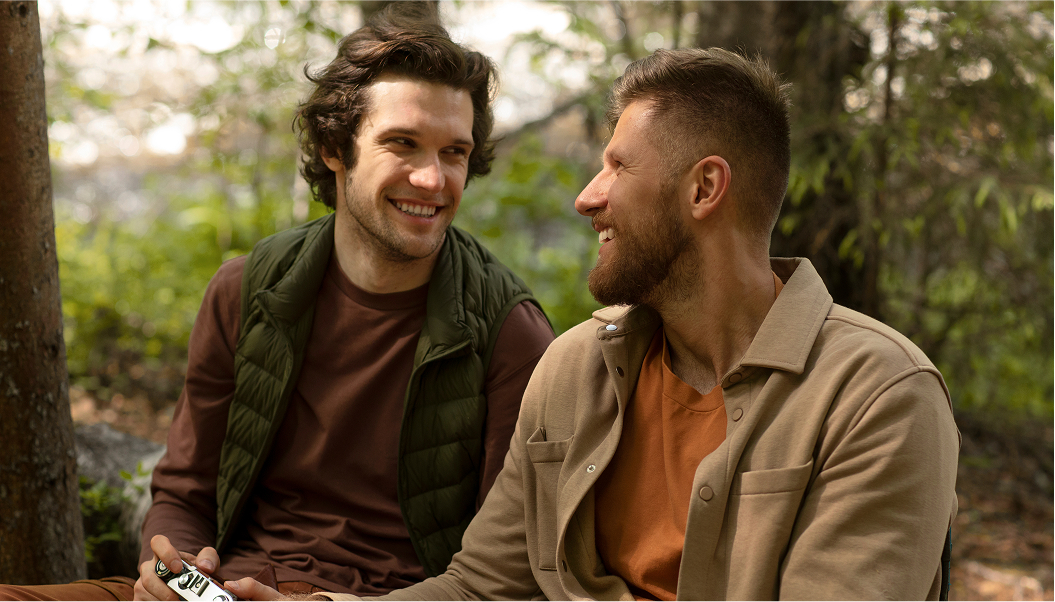
Proximity and repetition are still the foundations of friendship, as they were in childhood. The most effective thing you can do is put yourself in a context where you will encounter the same people regularly over time. A weekly class, a sports team, a book group, a walking club, a choir or any other regular group activity creates exactly this condition. One-off social events rarely produce lasting friendships because you need repeated exposure and gradually deepening conversation to build genuine closeness.
Vulnerability is the second essential ingredient. Friendships deepen through self-disclosure, through sharing something real rather than maintaining the polished surface presentation that adult professional life encourages. This does not mean emotional oversharing with new acquaintances. It means being willing to be honest about your actual life, your real opinions and your genuine interests.
Vulnerability is the second essential ingredient. Friendships deepen through self-disclosure, through sharing something real rather than maintaining the polished surface presentation that adult professional life encourages. This does not mean emotional oversharing with new acquaintances. It means being willing to be honest about your actual life, your real opinions and your genuine interests.
Initiating is the third piece, and the one most adults find hardest. Someone has to suggest coffee, the follow-up walk, the repeat invitation. In adulthood, this almost always feels awkward. Research shows that people consistently underestimate how much others enjoy being invited. The risk of initiating is far lower than it feels.
Making friends in your forties is harder than it was at eight. It is also, when it happens, considerably more meaningful.
Making friends in your forties is harder than it was at eight. It is also, when it happens, considerably more meaningful.