Robert Hisee’s Journey from Survival to Transformation
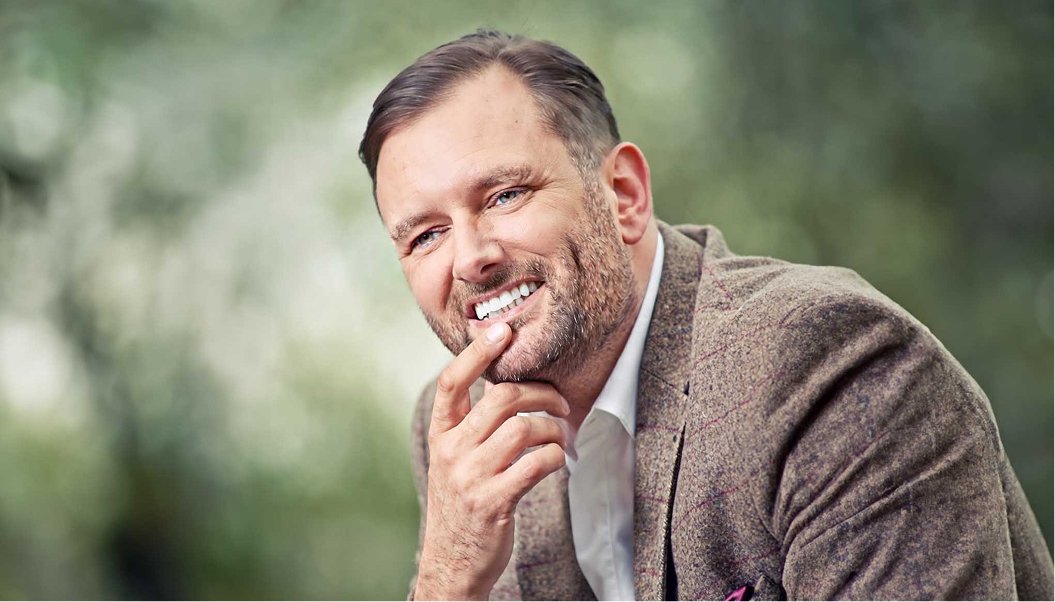
Growing up in South London in the 1980s was not for the faint-hearted. For Robert Hisee, it was an environment shaped by poverty, violence, and survival—one that would ultimately forge both his struggles and his strength.
“I grew up in Bermondsey at a time when crime, drugs, and violence were just part of everyday life,” Robert recalls. “You didn’t really have a choice—you adapted or you didn’t survive.”
As a teenager, Robert was exposed to a world many never encounter. He speaks candidly about learning to drive by stealing cars with friends and becoming involved in drug dealing at a young age. But beneath the surface of this tough exterior was something rarely acknowledged at the time: anxiety.
“We didn’t call it anxiety back then,” he explains. “We called it being ‘para’. But looking back, I was living in a constant state of anxiety—it was just normal to us.”
In an environment where emotional expression was seen as weakness, Robert learned to suppress rather than process his feelings. “Showing emotion wasn’t an option. You had to be hard. That’s just how it was.”
A Turning Point
By the age of 18, Robert had already experienced violence that would mark a turning point in his life. “I remember thinking, ‘I can’t keep going like this.’ I’d seen where it leads, and I knew I wanted something different.”
“I grew up in Bermondsey at a time when crime, drugs, and violence were just part of everyday life,” Robert recalls. “You didn’t really have a choice—you adapted or you didn’t survive.”
As a teenager, Robert was exposed to a world many never encounter. He speaks candidly about learning to drive by stealing cars with friends and becoming involved in drug dealing at a young age. But beneath the surface of this tough exterior was something rarely acknowledged at the time: anxiety.
“We didn’t call it anxiety back then,” he explains. “We called it being ‘para’. But looking back, I was living in a constant state of anxiety—it was just normal to us.”
In an environment where emotional expression was seen as weakness, Robert learned to suppress rather than process his feelings. “Showing emotion wasn’t an option. You had to be hard. That’s just how it was.”
A Turning Point
By the age of 18, Robert had already experienced violence that would mark a turning point in his life. “I remember thinking, ‘I can’t keep going like this.’ I’d seen where it leads, and I knew I wanted something different.”
That realization led him to step away from the life he had always known. Encouraged by his ex-partner and influenced by local community leader Russell Dryden, Robert made the difficult decision to cut ties with his environment and start over.
“I left for six months just to reset,” he says. “It wasn’t easy, but it was necessary.”
During this period, Robert began exploring new paths, including music and construction work. Though the financial rewards were smaller, the sense of purpose was far greater. “I was earning less, but I felt better. That was new for me.”
Discovering a New Direction
A pivotal moment came through a simple conversation that inspired Robert to enrol in a computer programming course. Around the same time, he read The Celestine Prophecy, a book that sparked a deeper interest in spirituality and personal development.
“That book changed everything for me,” Robert says. “It opened my mind to the idea that there was more going on beneath the surface.”
From there, his journey took an unexpected turn into sales, where his natural communication skills began to emerge—despite challenges with ADHD.
“I’ve always learned differently,” he explains. “But once I understood that, I started to use it to my advantage.”
“I left for six months just to reset,” he says. “It wasn’t easy, but it was necessary.”
During this period, Robert began exploring new paths, including music and construction work. Though the financial rewards were smaller, the sense of purpose was far greater. “I was earning less, but I felt better. That was new for me.”
Discovering a New Direction
A pivotal moment came through a simple conversation that inspired Robert to enrol in a computer programming course. Around the same time, he read The Celestine Prophecy, a book that sparked a deeper interest in spirituality and personal development.
“That book changed everything for me,” Robert says. “It opened my mind to the idea that there was more going on beneath the surface.”
From there, his journey took an unexpected turn into sales, where his natural communication skills began to emerge—despite challenges with ADHD.
“I’ve always learned differently,” he explains. “But once I understood that, I started to use it to my advantage.”
The Power of NLP
Robert’s breakthrough came when he was introduced to Neuro-Linguistic Programming (NLP) under the mentorship of industry leader Tilo Weinerman. It was here that he began to understand the deeper mechanics of human behaviour and communication.
“Tilo was incredible,” Robert recalls. “He’d do things like start singing Celine Dion in meetings just to shift the energy in the room. It sounds mad, but it worked.”
Through NLP, Robert learned the importance of emotional state, rapport, and authenticity—skills that transformed both his sales performance and his personal life.
“Once I learned to be myself and adapt to different people, everything changed,” he says. “That’s when I really started to succeed.”
He went on to become both an NLP practitioner and master practitioner, eventually developing his own therapeutic approach.
Hitting Rock Bottom and Rising
Despite his professional success, Robert faced one of his darkest periods after leaving his sales career to start his own business. Financial struggles mounted, and he reached a point where he considered giving up entirely.
“I hit rock bottom,” he admits. “There was a moment where I thought, ‘What’s the point?’”
But instead of giving in, Robert made a conscious decision to shift his mindset. Using the techniques he had learned, he began visualising success and reprogramming his beliefs.
“I decided I was going to change my story,” he says. “And I did.”
Within months, his business transformed. His diary filled with bookings, his income grew significantly, and he achieved a level of success that once felt out of reach.
Robert’s breakthrough came when he was introduced to Neuro-Linguistic Programming (NLP) under the mentorship of industry leader Tilo Weinerman. It was here that he began to understand the deeper mechanics of human behaviour and communication.
“Tilo was incredible,” Robert recalls. “He’d do things like start singing Celine Dion in meetings just to shift the energy in the room. It sounds mad, but it worked.”
Through NLP, Robert learned the importance of emotional state, rapport, and authenticity—skills that transformed both his sales performance and his personal life.
“Once I learned to be myself and adapt to different people, everything changed,” he says. “That’s when I really started to succeed.”
He went on to become both an NLP practitioner and master practitioner, eventually developing his own therapeutic approach.
Hitting Rock Bottom and Rising
Despite his professional success, Robert faced one of his darkest periods after leaving his sales career to start his own business. Financial struggles mounted, and he reached a point where he considered giving up entirely.
“I hit rock bottom,” he admits. “There was a moment where I thought, ‘What’s the point?’”
But instead of giving in, Robert made a conscious decision to shift his mindset. Using the techniques he had learned, he began visualising success and reprogramming his beliefs.
“I decided I was going to change my story,” he says. “And I did.”
Within months, his business transformed. His diary filled with bookings, his income grew significantly, and he achieved a level of success that once felt out of reach.
A Mission to Help Others
Today, Robert is a therapist specialising in Unconscious Mind Therapy, helping people overcome anxiety, depression, and limiting beliefs by addressing patterns at their root.
“Most people try to fix things at a conscious level,” he explains. “But the real change happens in the unconscious mind.”
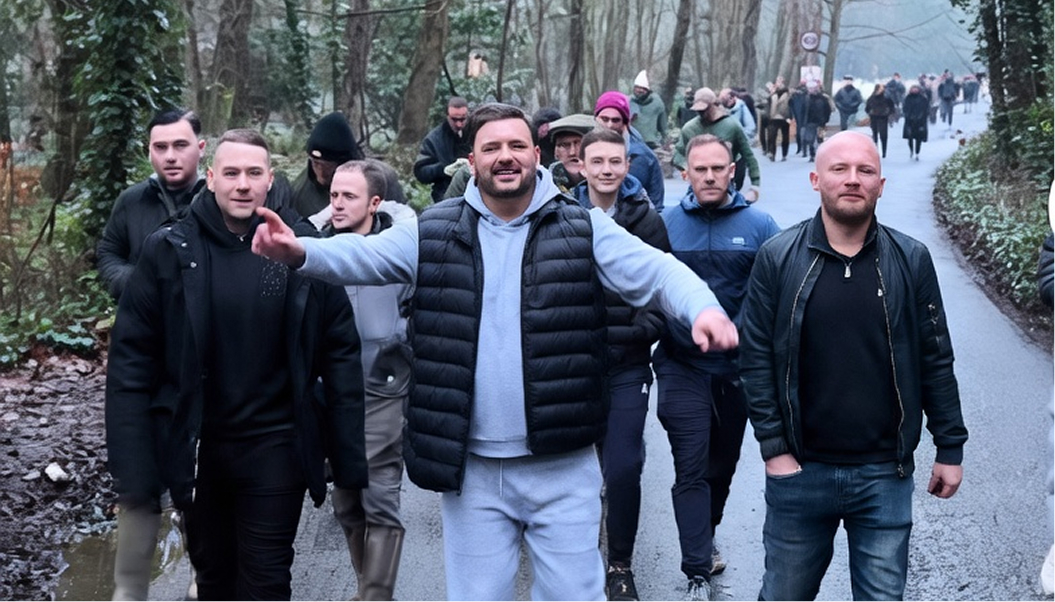
His work extends beyond one-to-one sessions. He co-hosts weekly men’s mental health walks called Mind Soldiers alongside Tom Skinner, providing a safe space for open conversation and support.
“We’re trying to break that stigma,” Robert says. “Men need a space where they can talk without judgment.”
He is also developing his UMT Academy, training others in his methods, and working on a documentary and charity initiatives aimed at supporting individuals transitioning out of prison.
Looking Forward
Reflecting on his journey, Robert emphasises the importance of continuous growth.
“Your mind is like a smartphone,” he says. “If you don’t update it, it stops working properly.”
From the streets of Bermondsey to becoming a leader in personal transformation, Robert Hisee’s story is one of resilience, reinvention, and purpose.
“I’ve lived both sides,” he says. “And now, my mission is to help others realise they can change too.”
Follow Robert’s journey on Instagram, Facebook view his UMT (Unconscious Mind Therapy) academy website here and theypnotherapistman website here
Today, Robert is a therapist specialising in Unconscious Mind Therapy, helping people overcome anxiety, depression, and limiting beliefs by addressing patterns at their root.
“Most people try to fix things at a conscious level,” he explains. “But the real change happens in the unconscious mind.”
His work extends beyond one-to-one sessions. He co-hosts weekly men’s mental health walks called Mind Soldiers alongside Tom Skinner, providing a safe space for open conversation and support.
“We’re trying to break that stigma,” Robert says. “Men need a space where they can talk without judgment.”
He is also developing his UMT Academy, training others in his methods, and working on a documentary and charity initiatives aimed at supporting individuals transitioning out of prison.
Looking Forward
Reflecting on his journey, Robert emphasises the importance of continuous growth.
“Your mind is like a smartphone,” he says. “If you don’t update it, it stops working properly.”
From the streets of Bermondsey to becoming a leader in personal transformation, Robert Hisee’s story is one of resilience, reinvention, and purpose.
“I’ve lived both sides,” he says. “And now, my mission is to help others realise they can change too.”
Follow Robert’s journey on Instagram, Facebook view his UMT (Unconscious Mind Therapy) academy website here and theypnotherapistman website here