
From Wandsworth Prison to the “Confidence Architect”: How Ian Norton Built a Life and Brand on Radical Self-Trust
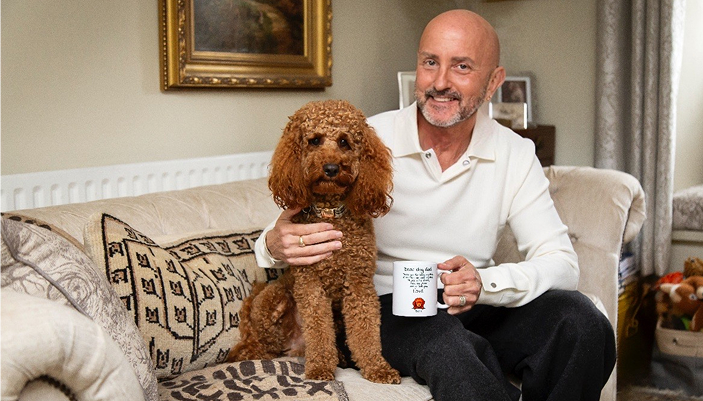
Four months in Wandsworth Prison has a way of stripping life back to its bare essentials.
For Ian Norton, that period became a forced pause that would ultimately reshape his identity, his work, and his understanding of confidence itself. Following a series of personal and business decisions that unravelled quickly, Ian found himself incarcerated in one of the UK’s most notorious prisons. It was confronting, humbling and deeply uncomfortable. But it was also clarifying.
Rather than emerging defensive or withdrawn, Ian made a conscious decision on the day of his release to be open about what had happened. Not as an excuse, and not for sympathy, but to remove stigma and reclaim control of his story.
That decision would become the foundation of a brand built on authenticity, resilience and trust.
Today, Ian is widely known as the “Confidence King”, a title that reflects not bravado, but lived experience. His journey from incarceration to coaching royalty, celebrities and high-profile leaders is not just remarkable, it is central to why people trust him.
For Ian Norton, that period became a forced pause that would ultimately reshape his identity, his work, and his understanding of confidence itself. Following a series of personal and business decisions that unravelled quickly, Ian found himself incarcerated in one of the UK’s most notorious prisons. It was confronting, humbling and deeply uncomfortable. But it was also clarifying.
Rather than emerging defensive or withdrawn, Ian made a conscious decision on the day of his release to be open about what had happened. Not as an excuse, and not for sympathy, but to remove stigma and reclaim control of his story.
That decision would become the foundation of a brand built on authenticity, resilience and trust.
Today, Ian is widely known as the “Confidence King”, a title that reflects not bravado, but lived experience. His journey from incarceration to coaching royalty, celebrities and high-profile leaders is not just remarkable, it is central to why people trust him.
Ian’s transparency is deliberate. “Once it’s out there, it can’t be used against you,” he explains. In an industry often dominated by polished success stories, his honesty stands out. Far from limiting him, it has strengthened his credibility, particularly with elite clients for whom trust and discretion are non-negotiable.
Over the years, Ian’s work has taken him into some extraordinary environments. Early on, he stepped in at the Lucy Clayton Finishing School during an emergency situation, filling a critical gap when others could not. That moment led to long-standing roles working with international royalty and aristocracy.
His career has included coaching the Sultan of Brunei’s pilot, working with Prince Edward on etiquette, and spending 18 months working closely with Princess Diana. These are not credentials built through marketing alone. They are earned through presence, emotional intelligence and an ability to operate calmly in high-trust spaces.
Despite this elite client base, Ian’s coaching philosophy is grounded and deeply human. He is quick to challenge the way confidence is commonly misunderstood. Many people, he says, confuse confidence with certainty, approval or guaranteed success.
Over the years, Ian’s work has taken him into some extraordinary environments. Early on, he stepped in at the Lucy Clayton Finishing School during an emergency situation, filling a critical gap when others could not. That moment led to long-standing roles working with international royalty and aristocracy.
His career has included coaching the Sultan of Brunei’s pilot, working with Prince Edward on etiquette, and spending 18 months working closely with Princess Diana. These are not credentials built through marketing alone. They are earned through presence, emotional intelligence and an ability to operate calmly in high-trust spaces.
Despite this elite client base, Ian’s coaching philosophy is grounded and deeply human. He is quick to challenge the way confidence is commonly misunderstood. Many people, he says, confuse confidence with certainty, approval or guaranteed success.
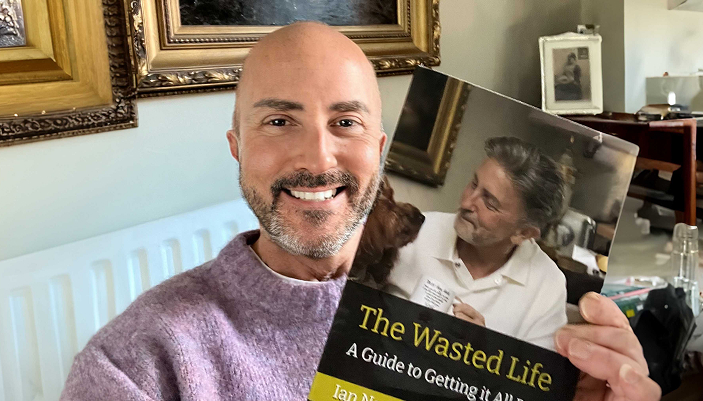
“Real confidence is trusting yourself even when you do not know how things will turn out.”
Rather than offering quick fixes or surface-level techniques, Ian focuses on nervous system regulation and deep self-trust. He explains that many fears are not rational, but bodily responses that feel disproportionate to the situation. His work helps clients feel safe enough to take small, manageable steps forward, building confidence through lived experience rather than motivation alone.
Sessions are intuitive rather than scripted. There is no fixed agenda. Instead, Ian creates space for clients to uncover what is really driving their behaviour. This flexible, client-centred approach works across a wide range of people, from high-profile individuals to those navigating additional personal challenges.
Rather than offering quick fixes or surface-level techniques, Ian focuses on nervous system regulation and deep self-trust. He explains that many fears are not rational, but bodily responses that feel disproportionate to the situation. His work helps clients feel safe enough to take small, manageable steps forward, building confidence through lived experience rather than motivation alone.
Sessions are intuitive rather than scripted. There is no fixed agenda. Instead, Ian creates space for clients to uncover what is really driving their behaviour. This flexible, client-centred approach works across a wide range of people, from high-profile individuals to those navigating additional personal challenges.
Ian also understands the power of narrative in business. By sharing vulnerability, he creates relatability and emotional connection. In a crowded coaching market, his story differentiates him not because it is dramatic, but because it is honest.
Looking ahead, Ian is intentional about how his message is shared. Working with WPP Elevate, he is developing a structured content process across written features and podcast conversations, ensuring quality, clarity and integrity. The aim is not volume, but meaningful impact.
At its core, Ian’s work is about teaching people how to trust themselves again. Not because life becomes predictable, but because they become resilient enough to handle uncertainty.
From Wandsworth Prison to palaces, Ian Norton’s story is proof that confidence is not something you are given. It is something you build, one honest step at a time.
You can follow Ian and his work on LinkedIn and Facebook, where he regularly shares insights on confidence, self-trust and personal growth.
Looking ahead, Ian is intentional about how his message is shared. Working with WPP Elevate, he is developing a structured content process across written features and podcast conversations, ensuring quality, clarity and integrity. The aim is not volume, but meaningful impact.
At its core, Ian’s work is about teaching people how to trust themselves again. Not because life becomes predictable, but because they become resilient enough to handle uncertainty.
From Wandsworth Prison to palaces, Ian Norton’s story is proof that confidence is not something you are given. It is something you build, one honest step at a time.
You can follow Ian and his work on LinkedIn and Facebook, where he regularly shares insights on confidence, self-trust and personal growth.

Features