How to Talk to Your Kids About the News Without Scaring Them
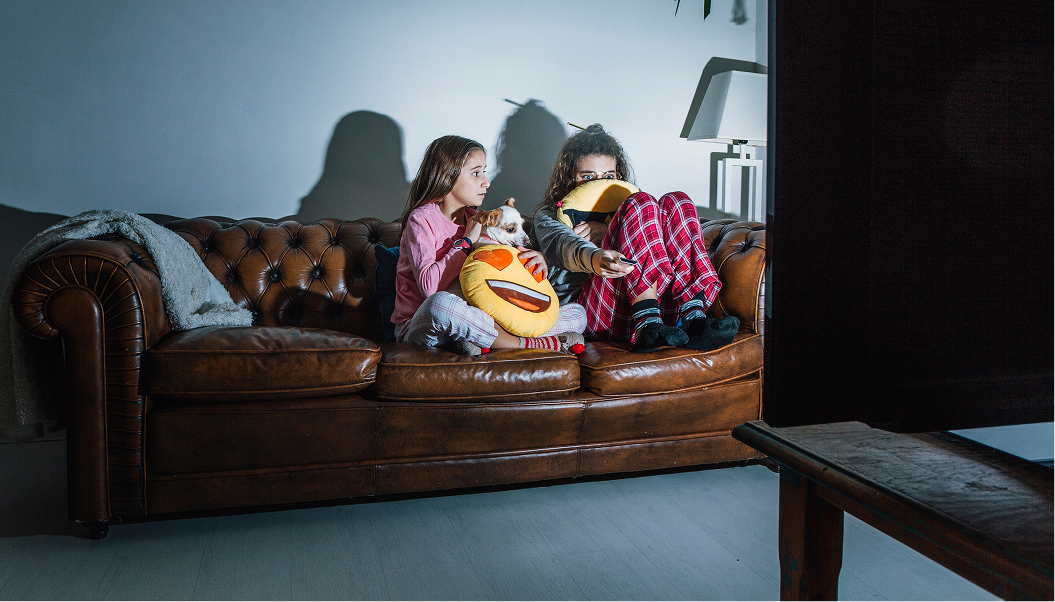
Children know more about what is happening in the world than many parents realise. News leaks in through overheard adult conversations, playground discussions, social media algorithms that make no distinction between adult and child audiences, and the ambient noise of a world in which information is inescapable. The choice facing parents is not whether their children will encounter difficult news but whether they will encounter it with or without a trusted adult to help them make sense of it.
The research on children and news exposure is clear on one central point: children who receive age-appropriate explanations of difficult events from trusted adults are significantly more resilient in response to distressing news than those who encounter the same events without context or support. Silence does not protect children. It leaves them to fill the gap with imagination, and imagination tends to catastrophise.
The research on children and news exposure is clear on one central point: children who receive age-appropriate explanations of difficult events from trusted adults are significantly more resilient in response to distressing news than those who encounter the same events without context or support. Silence does not protect children. It leaves them to fill the gap with imagination, and imagination tends to catastrophise.
The first principle is to follow the child's lead. Rather than proactively explaining every difficult news event in detail, listen for what your child has already heard or noticed. A question, a comment, a piece of playground information they are processing: these are the natural openings. Starting from what they already know allows you to correct misunderstandings, fill gaps and gauge their level of understanding and concern.
Use honest, age-appropriate language. Euphemisms can confuse younger children and erode trust with older ones. A five-year-old asking about something they heard on the radio needs simple, calm, truthful answers and immediate reassurance about their own safety. A twelve-year-old asking about a geopolitical crisis needs more context, acknowledgement of genuine complexity and space to express feelings.
Use honest, age-appropriate language. Euphemisms can confuse younger children and erode trust with older ones. A five-year-old asking about something they heard on the radio needs simple, calm, truthful answers and immediate reassurance about their own safety. A twelve-year-old asking about a geopolitical crisis needs more context, acknowledgement of genuine complexity and space to express feelings.
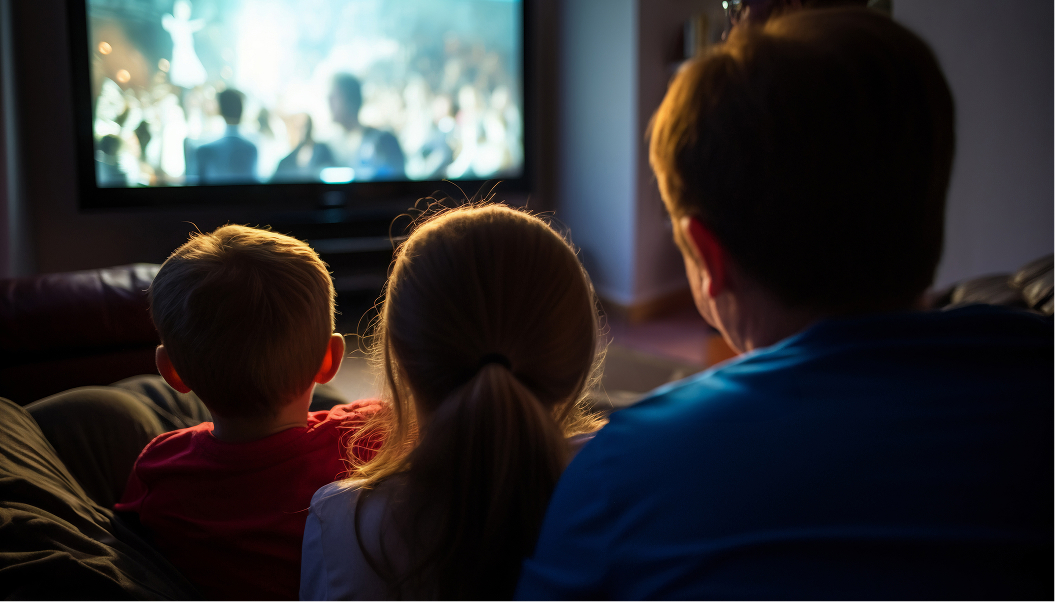
Reassurance about immediate safety is the foundation for younger children. When a child hears about something frightening in the world, the first questions their nervous system is asking, even if they cannot articulate it, is am I safe? are the people I love safe? Addressing these questions directly and calmly, before anything else, allows the child to receive the rest of the information from a place of relative security rather than underlying panic.
For older children and teenagers, the conversation can be richer. Acknowledging that some situations in the world are genuinely difficult, that adults are also sometimes worried, and that it is normal to have feelings about news events validates their emotional responses rather than dismissing them. Teenagers in particular benefit from being trusted with age-appropriate complexity rather than being shielded from it.
For older children and teenagers, the conversation can be richer. Acknowledging that some situations in the world are genuinely difficult, that adults are also sometimes worried, and that it is normal to have feelings about news events validates their emotional responses rather than dismissing them. Teenagers in particular benefit from being trusted with age-appropriate complexity rather than being shielded from it.
Limit exposure for younger children. There is a meaningful difference between helping a child understand the world and letting a distressing news cycle run in the background of family life. News is often presented in ways designed to maximise emotional engagement rather than understanding, which is not appropriate for children regardless of the subject matter.
Finally, and perhaps most importantly, model the response you want to cultivate. Children learn how to relate to difficult events primarily by watching the adults they trust. A parent who engages with hard news calmly, thoughtfully and with evident care for others is teaching their child something profound about how to be in the world.
Finally, and perhaps most importantly, model the response you want to cultivate. Children learn how to relate to difficult events primarily by watching the adults they trust. A parent who engages with hard news calmly, thoughtfully and with evident care for others is teaching their child something profound about how to be in the world.