
Is Your Child's Screen Time Actually Damaging Them? What the Latest Science Really Says
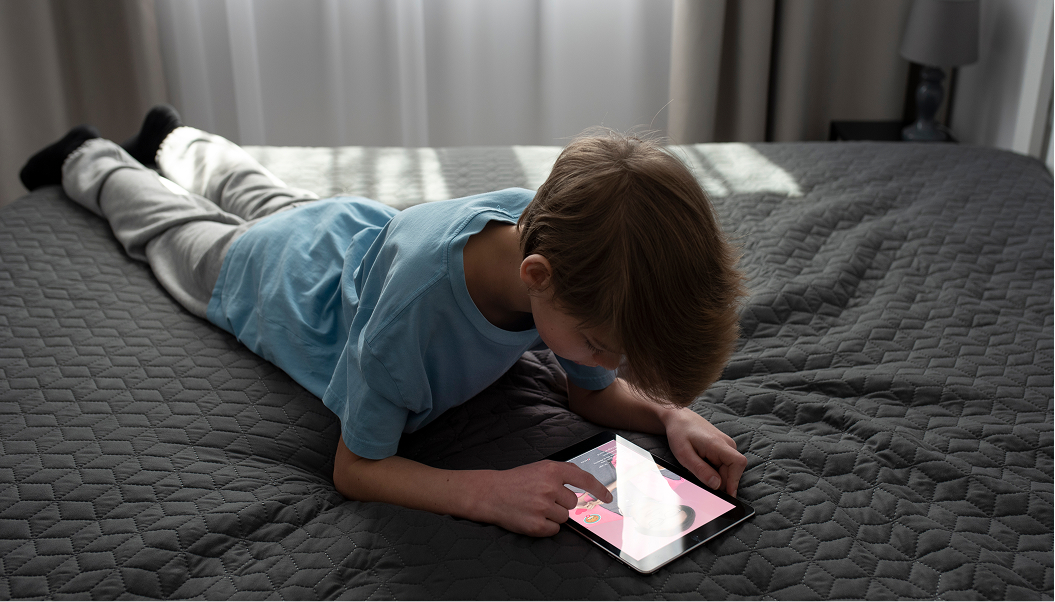
Few parenting topics generate more anxiety than screen time. The warnings have been emphatic and pervasive for years: excessive screen time damages children's developing brains, disrupts sleep, causes attention problems, impairs social skills, contributes to depression and anxiety and creates a generation unable to tolerate boredom or sustain focus. Many parents have absorbed these warnings with genuine alarm, instituting strict screen time limits, removing devices from bedrooms and feeling quietly guilty every time a screen babysits a child through a difficult afternoon.
The science, examined carefully rather than through the filter of media coverage, is more nuanced and in some ways more reassuring than the headlines suggest. It is also, in other areas, more specific about what actually causes harm than the general screen time conversation has acknowledged.
The science, examined carefully rather than through the filter of media coverage, is more nuanced and in some ways more reassuring than the headlines suggest. It is also, in other areas, more specific about what actually causes harm than the general screen time conversation has acknowledged.
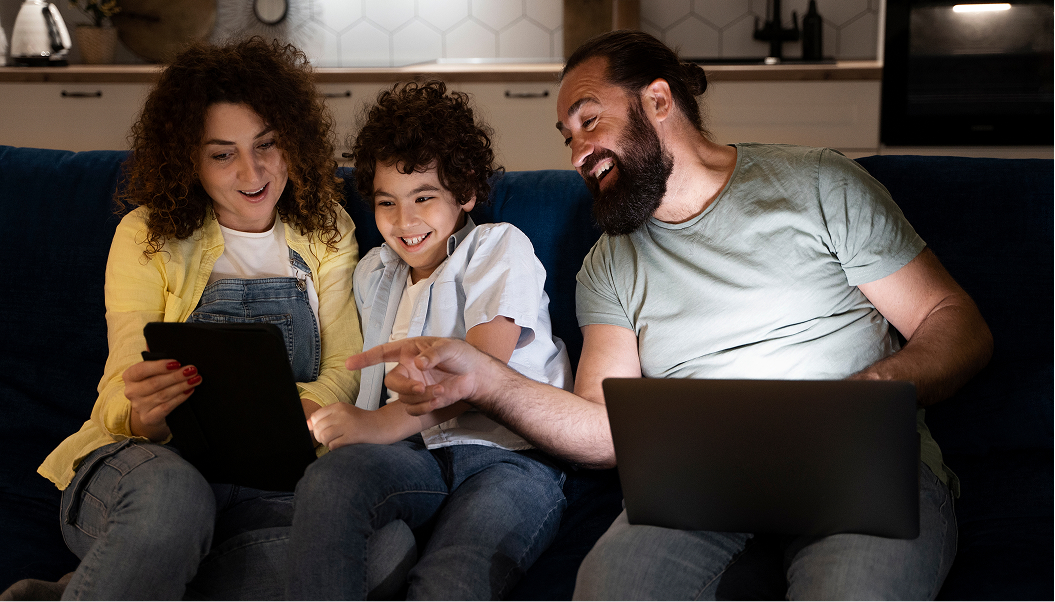
First, the distinction that matters most: not all screen time is equivalent, and treating it as a single category is one of the most significant errors in the public debate. There is a meaningful difference between a child watching a well-produced educational programme, video-chatting with a grandparent who lives far away, playing a cooperative puzzle game with a friend and passively scrolling algorithmically-driven short-form video content for two hours. These are not the same activity and the research does not treat them as such.
The strongest evidence for harm from screen use in children and adolescents is concentrated in specific areas. Passive social media consumption, particularly on platforms using algorithmic recommendation to maximise engagement, is associated with increased anxiety and depression in adolescent girls, a finding that has been replicated across multiple large studies. The association is stronger in girls than boys and appears to involve social comparison, exposure to idealised body images and the anxiety-producing dynamics of public social validation through likes and comments.
The strongest evidence for harm from screen use in children and adolescents is concentrated in specific areas. Passive social media consumption, particularly on platforms using algorithmic recommendation to maximise engagement, is associated with increased anxiety and depression in adolescent girls, a finding that has been replicated across multiple large studies. The association is stronger in girls than boys and appears to involve social comparison, exposure to idealised body images and the anxiety-producing dynamics of public social validation through likes and comments.
Sleep disruption caused by screen use in the hour before bed is among the most robust findings in the literature and applies to both children and adults. Blue light suppresses melatonin. Stimulating content keeps the brain activated when it should be winding down. The phone in the bedroom disrupts sleep architecture measurably. This is not contested and the intervention, keeping screens out of bedrooms and away from the pre-sleep period, is straightforward.
What the evidence does not strongly support is the idea that time limits on recreational screen use in primary school-aged children cause meaningful developmental harm in themselves. Several large studies that have looked carefully at screen time and outcomes in younger children have found that when controlling for sleep, physical activity and family relationship quality, moderate recreational screen use does not independently predict worse developmental outcomes.
What the evidence does not strongly support is the idea that time limits on recreational screen use in primary school-aged children cause meaningful developmental harm in themselves. Several large studies that have looked carefully at screen time and outcomes in younger children have found that when controlling for sleep, physical activity and family relationship quality, moderate recreational screen use does not independently predict worse developmental outcomes.
The practical implications for parents are more manageable than the general anxiety suggests. Protect sleep by keeping screens out of bedrooms and away from bedtime. Be particularly thoughtful about adolescent girls and social media. Prioritise physical activity, face-to-face time and good sleep. Beyond these specific interventions, screen time is a less powerful predictor of child outcomes than warmth, engagement and stability in the family environment.
The screen is not the enemy. How it is used, and what it displaces, is what actually matters.
The screen is not the enemy. How it is used, and what it displaces, is what actually matters.