
Rewilding Your Garden Is the Most Radical Thing You Can Do This Weekend
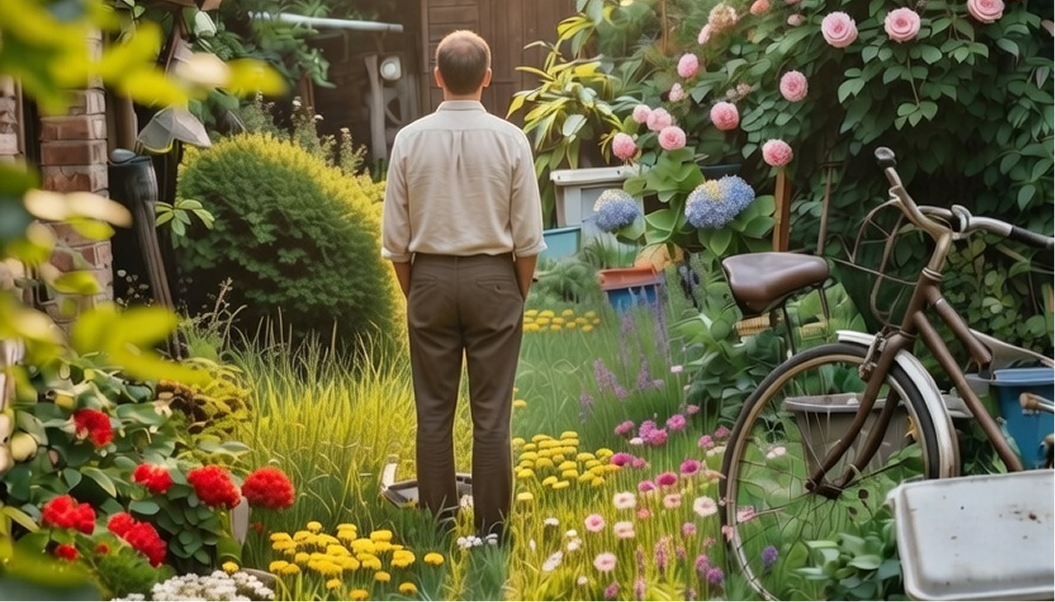
The perfect lawn is a lie. It is also, as it happens, an ecological catastrophe.
The perfect lawn is a lie. It is also, as it happens, an ecological catastrophe. Uniform, close-cropped, treated with herbicide and fed with synthetic fertiliser, the manicured British lawn supports almost no wildlife, consumes enormous quantities of water and requires constant, expensive intervention to maintain a state of nature that nature itself finds deeply uncongenial. We spend billions of pounds a year keeping our gardens in a condition that is, from an ecological standpoint, roughly equivalent to tarmac.
Rewilding, the practice of stepping back and allowing natural processes to reassert themselves, has become one of the most talked-about concepts in British conservation. At the landscape scale, it means reintroducing lost species, restoring degraded habitats and trusting ecosystems to find their own balance. At the garden scale, it means something more immediately achievable and, for many people, considerably more frightening: putting down the mower and seeing what happens.
Rewilding, the practice of stepping back and allowing natural processes to reassert themselves, has become one of the most talked-about concepts in British conservation. At the landscape scale, it means reintroducing lost species, restoring degraded habitats and trusting ecosystems to find their own balance. At the garden scale, it means something more immediately achievable and, for many people, considerably more frightening: putting down the mower and seeing what happens.
What happens, it turns out, is remarkable. Within a single growing season, a patch of lawn left unmown will begin its transformation. Clover appears first, followed by self-heal, bird's-foot trefoil and ox-eye daisies if the conditions are right. Bees arrive. Then butterflies. A hedgehog, if you are fortunate and your garden is connected to the wider green network by gaps under fences and through walls. By the second year, the transformation can be so complete that the original lawn is unrecognisable, replaced by a miniature meadow of extraordinary richness.
The statistics behind Britain's garden wildlife crisis are sobering. The UK has lost ninety-seven per cent of its wildflower meadows since the Second World War. Hedgehog populations have declined by a third in the past decade. Flying insect biomass has fallen by three quarters in fifty years. These are not abstract numbers. They describe a collapse in the living world that is happening in full view, in the spaces we know best.
The statistics behind Britain's garden wildlife crisis are sobering. The UK has lost ninety-seven per cent of its wildflower meadows since the Second World War. Hedgehog populations have declined by a third in the past decade. Flying insect biomass has fallen by three quarters in fifty years. These are not abstract numbers. They describe a collapse in the living world that is happening in full view, in the spaces we know best.
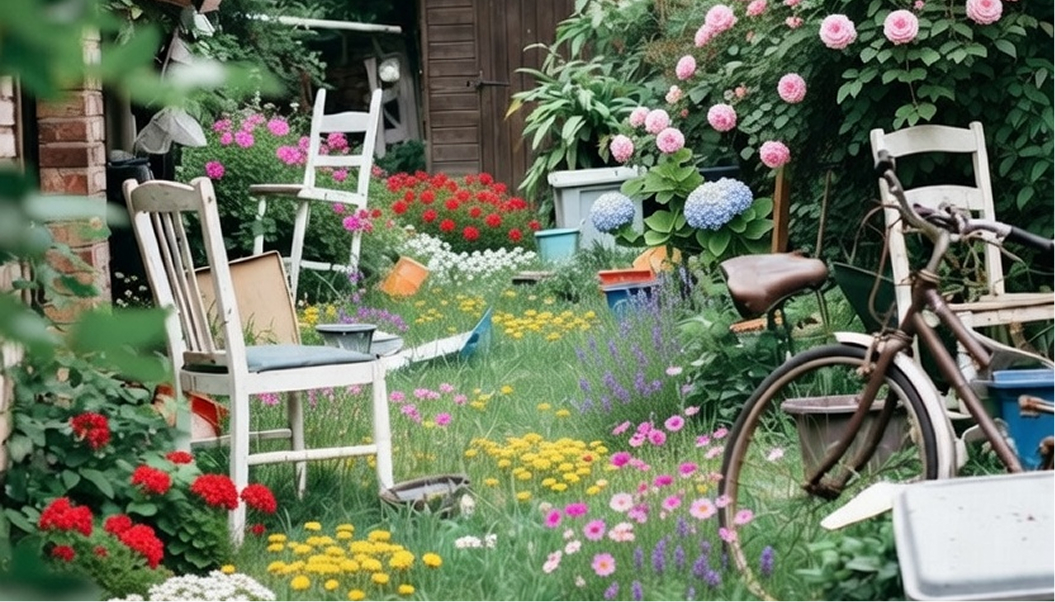
Gardens, collectively, represent an astonishing opportunity. There are an estimated twenty-four million private gardens in the UK, covering a combined area larger than all the country's national nature reserves put together. If even a fraction of those gardens shifted towards wilder, more habitat-rich management, the effect on biodiversity could be transformative. The power, for once, genuinely lies with the individual.
Rewilding a garden does not require abandoning it. It requires reimagining what a beautiful garden looks like. A log pile in a shaded corner provides habitat for stag beetles, slow worms and a dozen species of fungi. A pond, even one the size of a washing-up bowl sunk into the ground, will be colonised by pond skaters, water boatmen and potentially dragonflies within weeks. A patch of nettles, despised by tidy-minded gardeners for centuries, is the essential food plant for the caterpillars of small tortoiseshell, peacock and red admiral butterflies.
Rewilding a garden does not require abandoning it. It requires reimagining what a beautiful garden looks like. A log pile in a shaded corner provides habitat for stag beetles, slow worms and a dozen species of fungi. A pond, even one the size of a washing-up bowl sunk into the ground, will be colonised by pond skaters, water boatmen and potentially dragonflies within weeks. A patch of nettles, despised by tidy-minded gardeners for centuries, is the essential food plant for the caterpillars of small tortoiseshell, peacock and red admiral butterflies.
The cultural shift required is partly aesthetic and partly philosophical. It means accepting that a dandelion in flower is not a failure of garden management but a vital early-season food source for exhausted queen bumblebees. It means understanding that the untidy, the overgrown and the apparently accidental can be as intentional and as beautiful as anything achieved with a strimmer.
Rewilding your garden will not solve the biodiversity crisis alone. But it will make your patch of Britain measurably better for the creatures trying to survive in it. It will cost you nothing. It will require you to do less, not more. And on a warm evening in July, standing in what used to be a lawn and is now humming, fluttering and quietly extraordinary, it will feel like the best decision you ever made.
Rewilding your garden will not solve the biodiversity crisis alone. But it will make your patch of Britain measurably better for the creatures trying to survive in it. It will cost you nothing. It will require you to do less, not more. And on a warm evening in July, standing in what used to be a lawn and is now humming, fluttering and quietly extraordinary, it will feel like the best decision you ever made.