Sleep Has Become the Ultimate Luxury
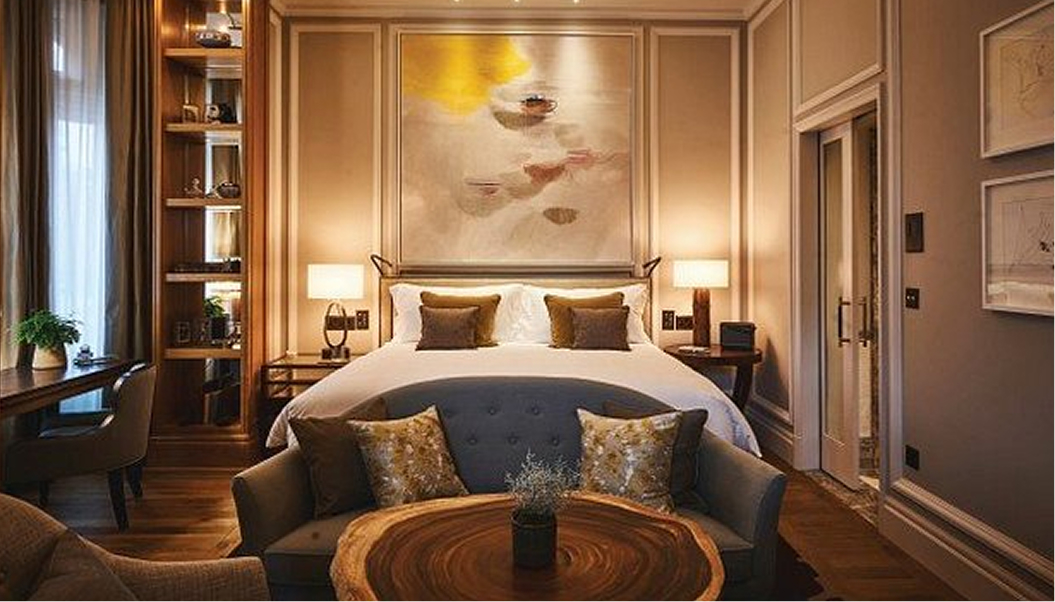
For most of human history, the purpose of a hotel room was somewhere to put your bags and your body between the things you actually came to do. Sleep was a necessity, not a selling point. That has changed rather dramatically. Across the world, a new kind of traveller is arriving at a new kind of destination, one where the main event is not a cathedral or a coastline but eight hours of genuinely restorative unconsciousness.
Sleep tourism is not a gimmick. It is a response to something real. Surveys consistently show that a significant proportion of adults in Britain and across Europe are chronically sleep-deprived, spending their weeks in a fog of too-early alarms and too-late screens, dreaming not of adventure but simply of rest. The luxury travel industry, which has always been rather good at identifying what people secretly crave, has noticed.
Sleep tourism is not a gimmick. It is a response to something real. Surveys consistently show that a significant proportion of adults in Britain and across Europe are chronically sleep-deprived, spending their weeks in a fog of too-early alarms and too-late screens, dreaming not of adventure but simply of rest. The luxury travel industry, which has always been rather good at identifying what people secretly crave, has noticed.
The Cadogan in London now offers a sleep concierge. The Six Senses group has built entire wellness programmes around circadian rhythm alignment, matching your meals, light exposure, and activity schedule to your body clock in ways that most of us have never attempted at home. In Switzerland, the Grand Resort Bad Ragaz offers sleep medicine consultations alongside its thermal baths. In Finland, you can rent a lakeside cabin specifically designed around blackout darkness, silence, and mattresses developed in partnership with sleep scientists.
These are not cheap options, it should be said. But the growth in what might loosely be called restorative travel extends well beyond the top end of the market. The rise of digital detox retreats, off-grid cabins, and "do nothing" holidays speaks to the same hunger. People are beginning to understand that exhaustion is not a badge of honour. It is something to be addressed, and if home is too full of distraction to address it, perhaps going somewhere else is a reasonable solution.
These are not cheap options, it should be said. But the growth in what might loosely be called restorative travel extends well beyond the top end of the market. The rise of digital detox retreats, off-grid cabins, and "do nothing" holidays speaks to the same hunger. People are beginning to understand that exhaustion is not a badge of honour. It is something to be addressed, and if home is too full of distraction to address it, perhaps going somewhere else is a reasonable solution.
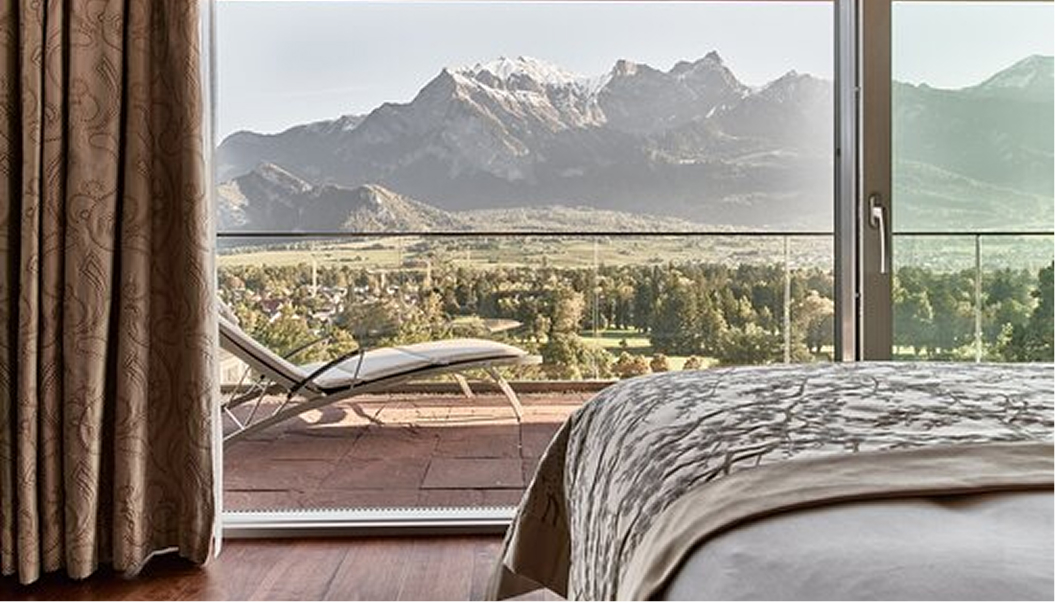
There is something quietly poignant about the fact that stillness has become a luxury product. That doing nothing now requires a booking confirmation. But there is also something encouraging about it. A culture that sells rest is at least acknowledging that rest matters, which is more than the culture of relentless productivity has traditionally been willing to concede.
I tried a sleep-focused weekend in the Cotswolds last winter, in a farmhouse that served chamomile tea at nine and expected all guests to be in their rooms by ten. I felt mildly ridiculous on the first evening. By the second morning,
I tried a sleep-focused weekend in the Cotswolds last winter, in a farmhouse that served chamomile tea at nine and expected all guests to be in their rooms by ten. I felt mildly ridiculous on the first evening. By the second morning,
having slept nine and a half hours without once reaching for my phone, I felt something I struggled to name immediately. It took me a moment to recognise it as "clarity". The world looked the same. I simply felt capable of dealing with it.
If that is what people are travelling for, it seems entirely reasonable to me. The world has always needed shrines to things we cannot find at home. It turns out that silence and darkness qualify.
If that is what people are travelling for, it seems entirely reasonable to me. The world has always needed shrines to things we cannot find at home. It turns out that silence and darkness qualify.