Television Has Found Its New Obsession and It Is Deeply, Gloriously Unhinged
The era of safe television is over. What has replaced it is stranger, darker, more morally bewildering and considerably more difficult to stop watching at a reasonable hour.
At some point in the past eighteen months, the people making television collectively decided that the audience was ready for something it had not been offered before. Not harder, exactly. Not darker for the sake of darkness. But genuinely, structurally strange. Television that refuses to tell you how to feel about what you are watching. Television that ends episodes without resolution not because it is lazy but because life does not do resolution either. Television that trusts its audience to sit with discomfort and find it, eventually, rewarding.
The Scandinavians, as usual, got there first. Nordic noir, long a reliable source of atmospheric misery, has evolved into something more formally ambitious. Where once the genre delivered procedural bleakness dressed in expensive knitwear, it now offers narratives that bend time, fracture perspective and introduce elements of folk horror and psychological unreality that make the viewing experience actively disorienting. Certain Norwegian and Swedish productions currently available on streaming platforms are less television dramas than they are feature-length examinations of grief, guilt and the particular madness of very long winters.
The Scandinavians, as usual, got there first. Nordic noir, long a reliable source of atmospheric misery, has evolved into something more formally ambitious. Where once the genre delivered procedural bleakness dressed in expensive knitwear, it now offers narratives that bend time, fracture perspective and introduce elements of folk horror and psychological unreality that make the viewing experience actively disorienting. Certain Norwegian and Swedish productions currently available on streaming platforms are less television dramas than they are feature-length examinations of grief, guilt and the particular madness of very long winters.
British television, energised by the creative freedom that streaming platforms have introduced into a system long constrained by terrestrial conservatism, is producing some of the most formally adventurous work in its history. Productions that would have been considered uncommercial five years ago are finding global audiences hungry for exactly the quality of strangeness they offer. The assumption that British viewers require comfort and resolution has been tested and found entirely wrong.
Reality television, meanwhile, has entered what future media scholars will either call its golden age or its most embarrassing chapter, depending on their disposition. Formats that place ordinary people in situations of escalating moral complexity, asking them to make choices that reveal something real and sometimes uncomfortable about human behaviour under pressure, have replaced the simpler pleasures of competitive baking and celebrity dance. The audience is not watching to be soothed. It is watching to understand something about people, including itself, that scripted drama cannot quite access.
Reality television, meanwhile, has entered what future media scholars will either call its golden age or its most embarrassing chapter, depending on their disposition. Formats that place ordinary people in situations of escalating moral complexity, asking them to make choices that reveal something real and sometimes uncomfortable about human behaviour under pressure, have replaced the simpler pleasures of competitive baking and celebrity dance. The audience is not watching to be soothed. It is watching to understand something about people, including itself, that scripted drama cannot quite access.
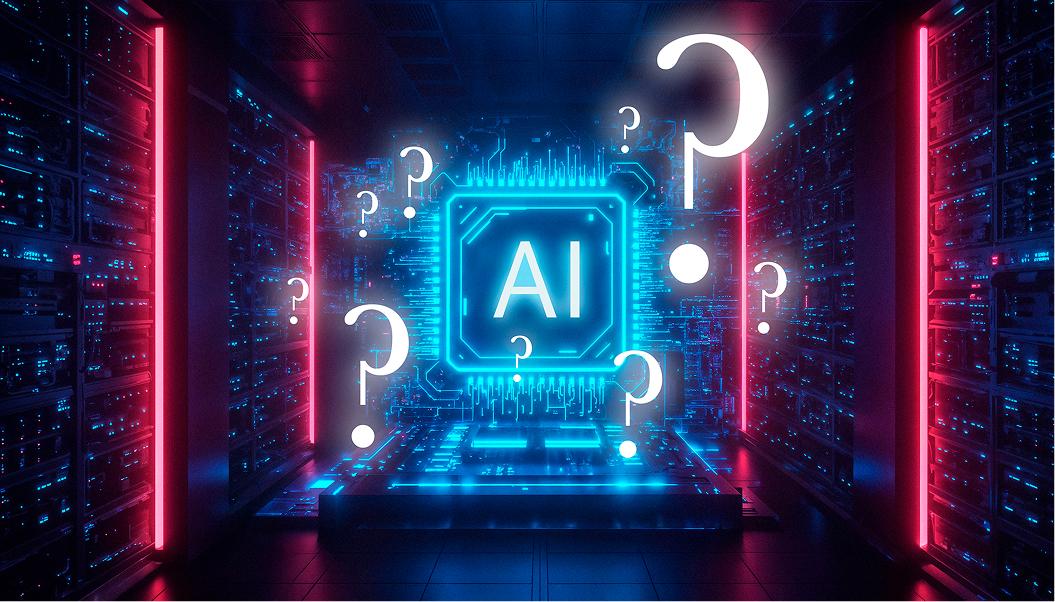
The AI dimension has added a layer of unease to all of this that is impossible to ignore. When a streaming algorithm not only recommends what you watch next but has had a hand in determining how the narrative was structured to maximise your engagement, the relationship between viewer and content becomes something that requires more careful examination than most people are currently giving it. The shows that are holding audiences longest are not necessarily the best ones. They are the ones most precisely calibrated to the neurological profile of continued watching.
What cuts through all of this, what actually produces the conversations and the obsessive rewatching and the texts sent to friends at midnight saying you need to watch this right now, is still the same thing it has always been: a story told with conviction, about people who feel real, in a world that has internal logic even when that logic is disturbing.
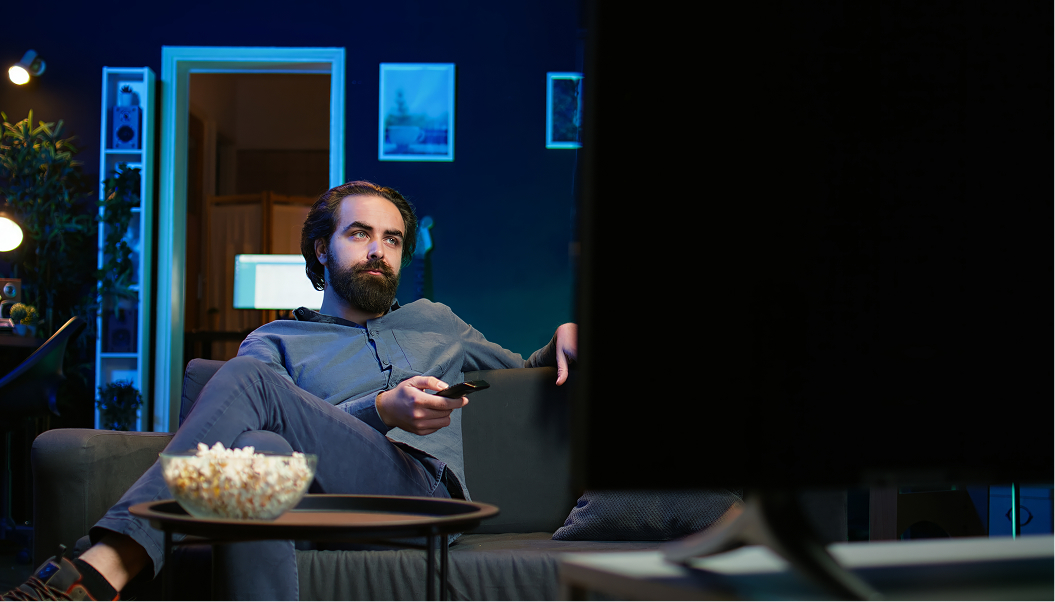
The best television of 2026 is strange and morally slippery and frequently very hard to watch. It is also, for those reasons rather than despite them, the most vital it has been in years. The remote control is on the coffee table. You have work in the morning.
One more episode.
The best television of 2026 is strange and morally slippery and frequently very hard to watch. It is also, for those reasons rather than despite them, the most vital it has been in years. The remote control is on the coffee table. You have work in the morning.
One more episode.