
The Family Meeting: The Simple Weekly Habit That Genuinely Transforms Family Life
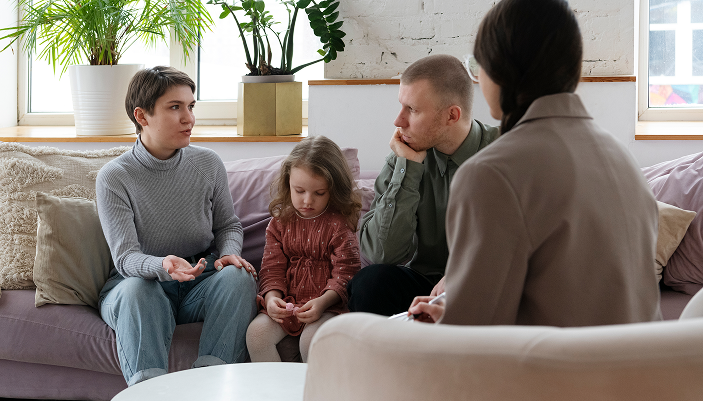
It sounds almost comically earnest. A scheduled family meeting. The kind of thing you might imagine in an aspirational parenting book rather than in the reality of a busy household where nobody can agree on what to have for dinner and the school bags are permanently in the wrong place. And yet family meetings, done simply and consistently, are one of the most practically effective tools available to any family that wants to reduce conflict, improve communication and make every member feel genuinely heard.
The concept is straightforward. Once a week, for no more than twenty to thirty minutes, the family sits together with a loose structure: review the coming week, raise any issues, celebrate any wins, make any necessary decisions together. That is it. No agenda documents, no formal procedures, no parenting philosophy required.
The concept is straightforward. Once a week, for no more than twenty to thirty minutes, the family sits together with a loose structure: review the coming week, raise any issues, celebrate any wins, make any necessary decisions together. That is it. No agenda documents, no formal procedures, no parenting philosophy required.
The benefits begin to accumulate almost immediately, and they work on several levels simultaneously. The most immediate effect is practical. A weekly review of the coming days means that the football match, the doctor's appointment, the school trip and the friend coming for tea are all known about in advance rather than surfacing as Tuesday morning surprises. The invisible mental load that falls almost universally on one parent, typically the mother, begins to distribute more evenly when everyone in the family has the same information at the same time.
The second benefit is conflict reduction through structure. Many family arguments are really about the same recurring issues: screen time, chores, fairness, logistics. When these issues have a designated time and place to be raised and resolved, they are less likely to explode in unstructured moments. A child who knows that complaints about chore distribution will be listened to at Friday's family meeting is less likely to make that case loudly and emotionally at an inconvenient moment during the week.
The second benefit is conflict reduction through structure. Many family arguments are really about the same recurring issues: screen time, chores, fairness, logistics. When these issues have a designated time and place to be raised and resolved, they are less likely to explode in unstructured moments. A child who knows that complaints about chore distribution will be listened to at Friday's family meeting is less likely to make that case loudly and emotionally at an inconvenient moment during the week.

The third benefit, and arguably the most valuable, is the signal it sends to every member of the family, including the youngest. A weekly family meeting communicates that everyone's voice matters, that problems are for solving together rather than enduring alone and that the family is a team with shared interests rather than a collection of individuals competing for resources and attention. Children who grow up in households where they are genuinely consulted on family decisions develop stronger problem-solving skills, greater emotional resilience and a deeper sense of belonging.
Starting is easier than maintaining. The first few meetings tend to go well simply because of novelty. The test comes around week four or five when life gets busy and the meeting seems like an inconvenience. This is precisely the moment to hold the structure, because consistency is what produces the cultural shift.
Keep it short, keep it positive and keep it regular. End with something enjoyable: a family vote on the weekend film, a plan for something everyone is looking forward to. The meeting should feel like a resource the family uses rather than an obligation it endures.
Twenty minutes, once a week. The return on that investment is remarkable.
Keep it short, keep it positive and keep it regular. End with something enjoyable: a family vote on the weekend film, a plan for something everyone is looking forward to. The meeting should feel like a resource the family uses rather than an obligation it endures.
Twenty minutes, once a week. The return on that investment is remarkable.