
The Fermented Kitchen: How Your Fridge Became a Living Thing
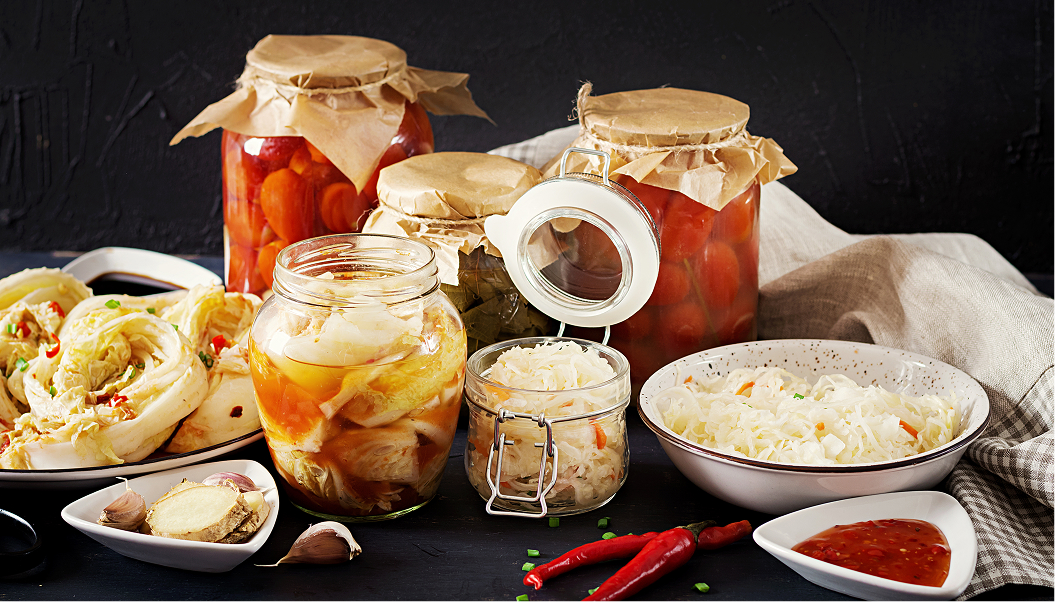
There is, on the second shelf of a fridge in a flat in Edinburgh, a jar of something that has been alive for four months. It smells faintly of vinegar and something earthier, more complex. Taste it and you will find heat, sourness, a deep vegetable sweetness and an aftertaste that lingers in a way that no shop-bought condiment ever quite manages. It is kimchi, made by the flat's occupant, Sarah, who had never fermented anything before lockdown and now cannot imagine cooking without it.
The fermentation revival that has been building in Britain over the past decade has moved decisively from health food shops and specialist delis into ordinary home kitchens. Driven initially by an interest in gut health and the science of the microbiome, it has since evolved into something more purely gastronomic. People are fermenting because the food it produces is, quite simply, delicious.
The fermentation revival that has been building in Britain over the past decade has moved decisively from health food shops and specialist delis into ordinary home kitchens. Driven initially by an interest in gut health and the science of the microbiome, it has since evolved into something more purely gastronomic. People are fermenting because the food it produces is, quite simply, delicious.
Fermentation is one of humanity's oldest food technologies. Before refrigeration, before canning, before any of the preservation methods we now take for granted, people discovered that allowing certain foods to transform under the influence of bacteria, yeasts and moulds could not only extend their edibility but dramatically improve their flavour. Cheese, bread, wine, yoghurt, soy sauce, chocolate and coffee are all products of fermentation. We have been eating fermented food since before we had a word for it.
What has changed is our understanding of why it works and our willingness to experiment at home. Lacto-fermentation, the process by which vegetables are preserved in salt brine and allowed to sour naturally, requires no special equipment and very little expertise. A jar, some salt, a cabbage and a little patience will produce sauerkraut. Add ginger, garlic, Korean chilli flakes and daikon radish and you have kimchi. The variables are infinitely adjustable and the results are rarely less than interesting.
What has changed is our understanding of why it works and our willingness to experiment at home. Lacto-fermentation, the process by which vegetables are preserved in salt brine and allowed to sour naturally, requires no special equipment and very little expertise. A jar, some salt, a cabbage and a little patience will produce sauerkraut. Add ginger, garlic, Korean chilli flakes and daikon radish and you have kimchi. The variables are infinitely adjustable and the results are rarely less than interesting.
Kefir, a fermented milk drink originating in the Caucasus, has found a devoted following among those interested in probiotic foods. Made by adding kefir grains, complex symbiotic cultures of bacteria and yeast, to milk and leaving them to work for twenty-four hours, it produces a pleasantly tangy, slightly effervescent drink that tastes nothing like the flat, over-sweetened probiotic yoghurts sold in supermarkets.
For those interested in more ambitious projects, koji offers a particularly fascinating frontier. Aspergillus oryzae, the mould responsible for miso, sake and soy sauce, is increasingly being used by adventurous home cooks to create remarkable results with unexpected ingredients. Koji-aged beef, koji-fermented vegetables, even koji butter have begun appearing on menus and in recipe collections. The mould's enzymes break down proteins and starches in ways that produce extraordinary umami depth.
For those interested in more ambitious projects, koji offers a particularly fascinating frontier. Aspergillus oryzae, the mould responsible for miso, sake and soy sauce, is increasingly being used by adventurous home cooks to create remarkable results with unexpected ingredients. Koji-aged beef, koji-fermented vegetables, even koji butter have begun appearing on menus and in recipe collections. The mould's enzymes break down proteins and starches in ways that produce extraordinary umami depth.
The health arguments for fermented food, while often overstated in popular media, are not without foundation. Fermented foods do contain beneficial bacteria that may support gut health, and the fermentation process can increase the bioavailability of certain nutrients. But it is worth separating these benefits from the more straightforward reason most people continue fermenting long after the initial curiosity fades. The food simply tastes better.
Sarah's kimchi is currently on its second batch. The first, she admits, was eaten too quickly to last four months. The fridge, it turns out, is a better chef than she gave it credit for.
Sarah's kimchi is currently on its second batch. The first, she admits, was eaten too quickly to last four months. The fridge, it turns out, is a better chef than she gave it credit for.