Second Sitting: The Lost Art of the Long Lunch
In Lyon, France's self-declared gastronomic capital, there is a word for the kind of restaurant that serves lunch and nothing else, opens at noon and closes when the last table has finally, reluctantly, asked for the bill. It is called a "bouchon", and on a Tuesday in November, every table in the best of them will be full. Not with tourists seeking an experience, but with Lyonnais workers in their fifties who have been eating here every week for twenty years and consider a two-hour lunch entirely ordinary.
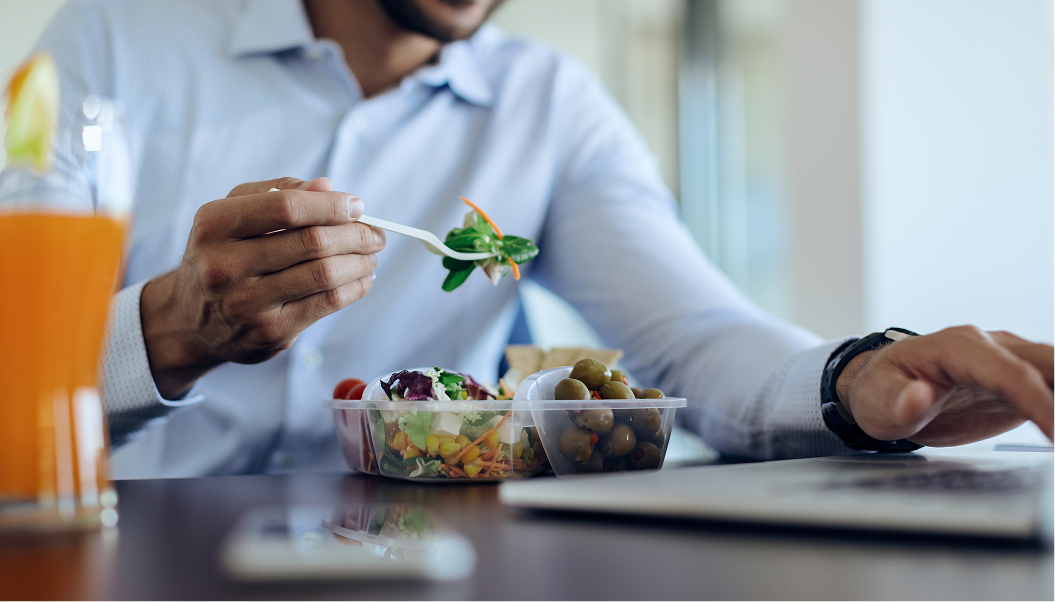
In Britain, this is practically science fiction. The working lunch, once a civilised institution involving cloth napkins and a decent bottle shared between colleagues, has been reduced to a sandwich eaten at a desk or, at best, forty-five minutes in a chain restaurant before the afternoon's obligations reassert themselves. We are, as a culture, deeply suspicious of pleasure taken in the middle of the day.
In Britain, this is practically science fiction. The working lunch, once a civilised institution involving cloth napkins and a decent bottle shared between colleagues, has been reduced to a sandwich eaten at a desk or, at best, forty-five minutes in a chain restaurant before the afternoon's obligations reassert themselves. We are, as a culture, deeply suspicious of pleasure taken in the middle of the day.
It was not always so. The long British lunch has genuine historical roots. Edwardian London ran on it. The grand restaurants of St James's and Mayfair built their reputations on the midday meal, when business was conducted over smoked salmon and claret and the afternoon was not expected to begin before three. The erosion of this tradition is a relatively recent development, accelerated by open-plan offices, digital communication and the cultural dominance of productivity as an end in itself.
Elsewhere in Europe, the long lunch has proved more resilient. In Spain, the sobremesa, the period of conversation and lingering that follows a meal, is treated not as an indulgence but as a social necessity. The word has no direct English equivalent, which may be part of the problem. We lack even the vocabulary to describe the pleasure of sitting at a table after eating simply to be present with other people.
Elsewhere in Europe, the long lunch has proved more resilient. In Spain, the sobremesa, the period of conversation and lingering that follows a meal, is treated not as an indulgence but as a social necessity. The word has no direct English equivalent, which may be part of the problem. We lack even the vocabulary to describe the pleasure of sitting at a table after eating simply to be present with other people.
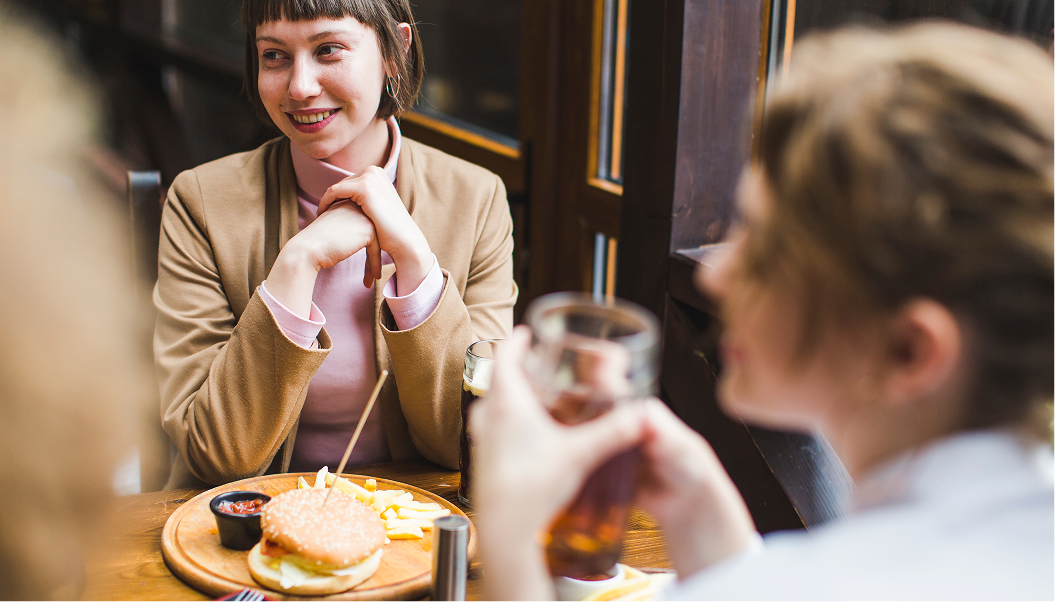
There are signs of resistance. In London, a small number of restaurants have built reputations almost entirely on their weekday lunches. The quality of midday cooking at places like Quo Vadis in Soho or St John in Smithfield rivals anything served in the evening, frequently at considerably lower prices. The atmosphere at lunch is different too, less performative than dinner service, more genuinely convivial.
Some employers are beginning to reconsider the desk lunch with genuine scepticism. Research into productivity and cognitive performance consistently suggests that proper breaks, including meals eaten away from screens in the company of others, improve afternoon output more reliably than the grim efficiency of eating while working. The long lunch, it turns out, may be a sound investment.
Some employers are beginning to reconsider the desk lunch with genuine scepticism. Research into productivity and cognitive performance consistently suggests that proper breaks, including meals eaten away from screens in the company of others, improve afternoon output more reliably than the grim efficiency of eating while working. The long lunch, it turns out, may be a sound investment.
The French, of course, never required a productivity argument. They simply understood that eating well, eating slowly and eating together are among the better uses of a Tuesday afternoon. Whether Britain can arrive at the same conclusion through the circuitous route of workplace wellbeing research rather than simple pleasure remains to be seen.
The bouchon in Lyon will take your booking for noon. It will not, however, guarantee when you will leave. That, as any self-respecting Lyonnais will tell you, rather depends on how the conversation is going.
The bouchon in Lyon will take your booking for noon. It will not, however, guarantee when you will leave. That, as any self-respecting Lyonnais will tell you, rather depends on how the conversation is going.