
The Midnight Baker: Why the World's Best Bread is Made While You Sleep
There is a particular kind of silence that descends on a bakery at two in the morning. The ovens hum, the flour dust settles, and in the dim warmth of a working kitchen, something extraordinary is happening. Dough, left to its own quiet devices, is transforming. Time, not the baker's hands, is doing the real work.
Overnight fermentation, also known as retarding, is the practice of slowing the proving process by refrigerating dough for anywhere between eight and twenty-four hours. What sounds like a shortcut is, in fact, the very opposite. It is a deliberate act of patience, one that produces bread of a complexity and depth that simply cannot be achieved through a rapid, same-day bake.
Overnight fermentation, also known as retarding, is the practice of slowing the proving process by refrigerating dough for anywhere between eight and twenty-four hours. What sounds like a shortcut is, in fact, the very opposite. It is a deliberate act of patience, one that produces bread of a complexity and depth that simply cannot be achieved through a rapid, same-day bake.
The science behind it is elegant. When dough ferments slowly at low temperatures, the yeast produces carbon dioxide at a measured pace while lactic acid bacteria work alongside it, generating organic acids that give bread its characteristic tang. Acetic acid, the same compound found in vinegar, develops more fully in cold, slow ferments, lending a sharpness that balances beautifully against the natural sweetness of wheat. The gluten network, meanwhile, strengthens and relaxes over hours, producing a crumb that is open, airy and wonderfully irregular.
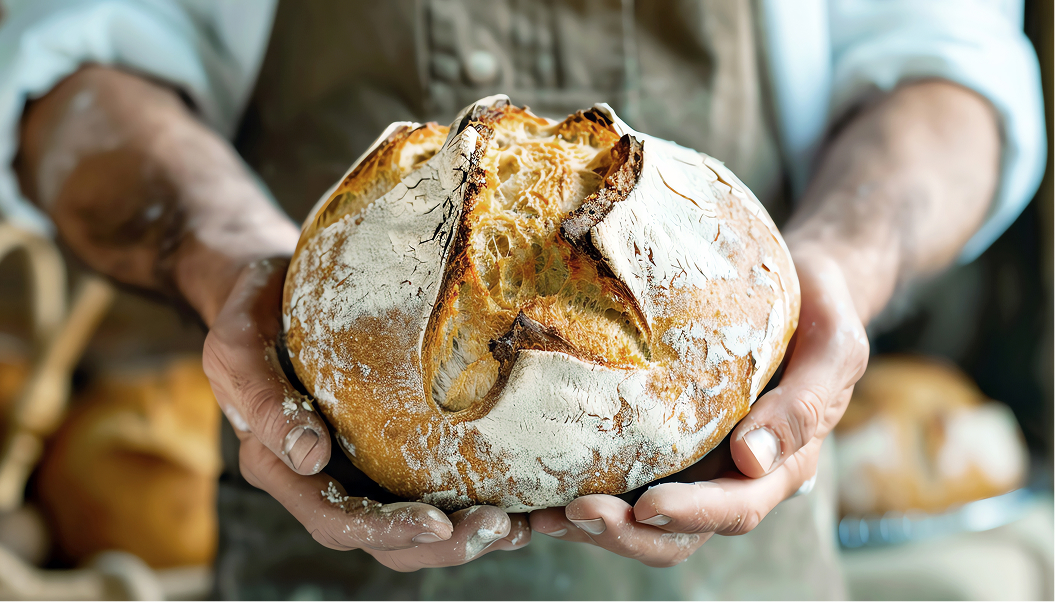
For Tom Heywood, head baker at a small artisan bakery in Bristol, the overnight method is not a trend but a necessity. He begins mixing at ten in the evening, shapes his loaves by midnight, and slides them into the refrigerator before heading home. By six the next morning, his sourdoughs are ready for their final bake. The result is a crust that shatters with a satisfying crack and a crumb that holds moisture long after most supermarket loaves would have turned stale.
For Tom Heywood, head baker at a small artisan bakery in Bristol, the overnight method is not a trend but a necessity. He begins mixing at ten in the evening, shapes his loaves by midnight, and slides them into the refrigerator before heading home. By six the next morning, his sourdoughs are ready for their final bake. The result is a crust that shatters with a satisfying crack and a crumb that holds moisture long after most supermarket loaves would have turned stale.
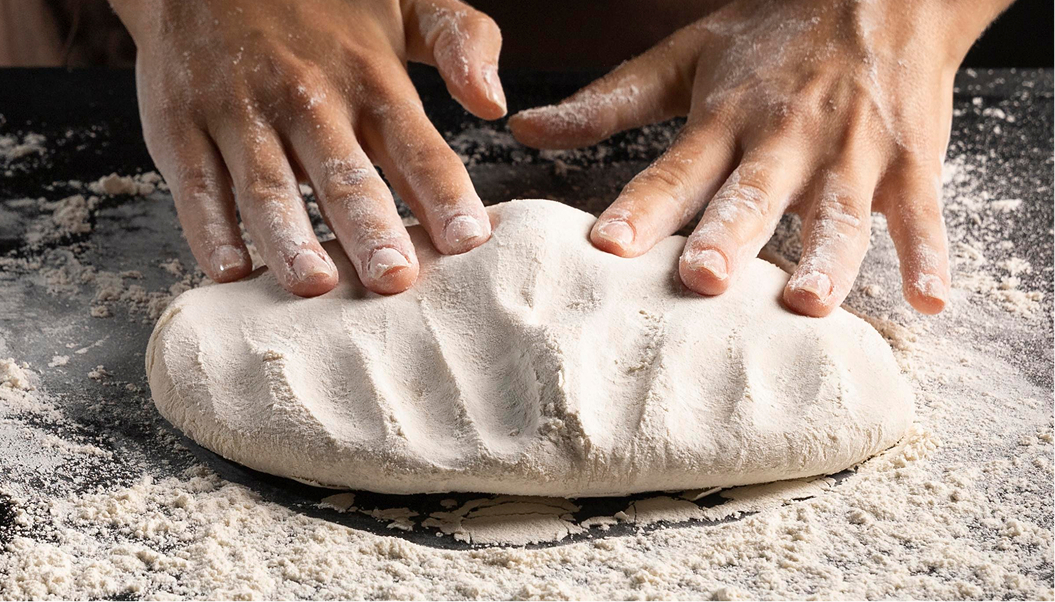
This approach is gaining ground across Britain, and not only in professional kitchens. Home bakers, many of them inspired by the sourdough revival that swept the country during the pandemic, have discovered that cold proving fits neatly into a working schedule. Mix in the evening, refrigerate overnight, bake in the morning. No rushing, no hovering. The bread essentially makes itself.
What sets the overnight loaf apart is not just flavour but texture and longevity. The complex acids produced during a long ferment also act as natural preservatives, extending shelf life without any need for the additives found in mass-produced alternatives. A well-made sourdough retarded overnight will still be worth eating three days after baking, its crust softening slightly but its flavour deepening rather than fading.
What sets the overnight loaf apart is not just flavour but texture and longevity. The complex acids produced during a long ferment also act as natural preservatives, extending shelf life without any need for the additives found in mass-produced alternatives. A well-made sourdough retarded overnight will still be worth eating three days after baking, its crust softening slightly but its flavour deepening rather than fading.
Industrial bread, by contrast, is engineered for speed. The Chorleywood process, developed in the 1960s and still the backbone of commercial baking in the UK, cuts fermentation time to minutes through high-speed mixing and chemical improvers. The resulting loaves are consistent, inexpensive and immediately forgettable. There is no time for acids to develop, no patience for flavour to build.
The midnight baker knows something the factory line does not. Great bread cannot be hurried. It asks only for time, a cool dark place, and the willingness to let something good happen slowly. In return, it offers a loaf that tastes of effort, of craft, of the quiet hours when the rest of the world is asleep and the dough is quietly becoming something remarkable.
The midnight baker knows something the factory line does not. Great bread cannot be hurried. It asks only for time, a cool dark place, and the willingness to let something good happen slowly. In return, it offers a loaf that tastes of effort, of craft, of the quiet hours when the rest of the world is asleep and the dough is quietly becoming something remarkable.