
The Netflix Effect and the Destinations It Created Overnight
The village of Monsanto in Portugal sits high on a granite hillside in the country's interior, its stone houses built between and beneath enormous boulders that look as though a giant set them down and forgot to come back. It is one of the most extraordinary places in Europe. It is also, until recently, one of the least visited, the kind of place that appeared in specialist travel writing and whispered recommendations but rarely in the mainstream conversation.
Then a streaming series used it as a backdrop. Within six months, the road leading up to the village had a parking problem it had never previously needed to consider.
Then a streaming series used it as a backdrop. Within six months, the road leading up to the village had a parking problem it had never previously needed to consider.
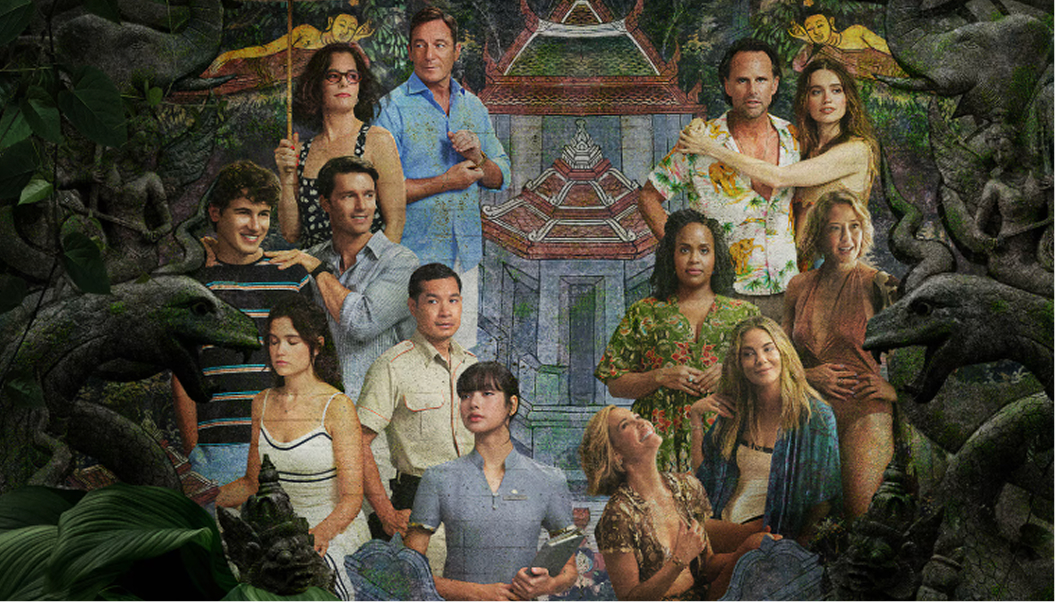
This is the White Lotus effect, named for the HBO series that turned Sicily and later Thailand into objects of intense tourist desire, but it applies across the industry and has been building for years. Dubrovnik became King's Landing and has never quite recovered. The Yorkshire Moors see a steady pilgrimage of Brontë pilgrims who arrived via a costume drama. The Faroe Islands went from obscure North Atlantic curiosity to aspirational destination partly on the back of a handful of atmospheric television productions.
The speed at which a location can be transformed is now genuinely startling. A single viral moment, a drone shot in a Netflix series, a hotel featured in an episode of something watched by forty million subscribers, can shift the footfall to a place within weeks rather than years. For the travel industry, this creates extraordinary opportunity. For the places themselves, it creates something more complicated.
The speed at which a location can be transformed is now genuinely startling. A single viral moment, a drone shot in a Netflix series, a hotel featured in an episode of something watched by forty million subscribers, can shift the footfall to a place within weeks rather than years. For the travel industry, this creates extraordinary opportunity. For the places themselves, it creates something more complicated.
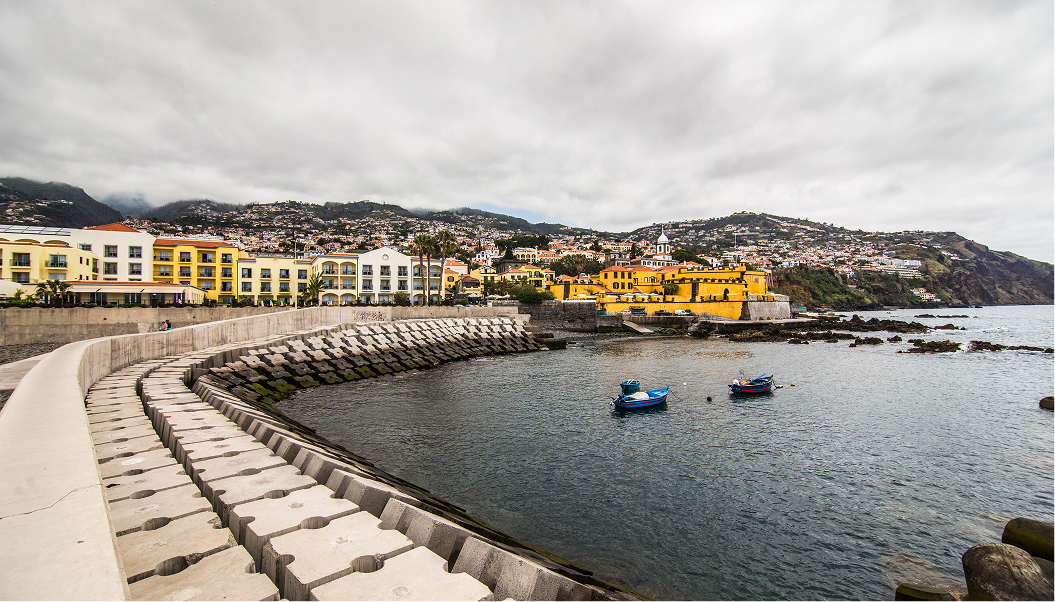
The tension at the heart of set-jetting, as the travel industry has taken to calling it, is that the thing people come looking for is often the very thing mass attention destroys. They come for authenticity, for that quality of a place feeling undiscovered, alive, real. And in coming in sufficient numbers, they begin to erode exactly that quality, replacing the local restaurant with the souvenir shop, the fishing boat with the glass-bottomed tourist vessel.
None of which means the phenomenon is without value. Many destinations have benefited enormously from the attention, bringing revenue to communities that needed it and encouraging travellers to venture beyond the familiar.
None of which means the phenomenon is without value. Many destinations have benefited enormously from the attention, bringing revenue to communities that needed it and encouraging travellers to venture beyond the familiar.
The question is whether the industry, and the platforms that now wield extraordinary influence over where people go, are willing to think carefully about how that influence is used.
In Monsanto, on a Tuesday morning in late autumn, I sat on a rock the size of a small house and watched a young couple photograph each other against the view. They were kind, careful people who had clearly done their research and chosen somewhere genuinely remarkable. They were also, I noticed, already posting. By evening, the picture would be on thousands of screens. The village would edge a little further into the conversation. The granite boulders, indifferent to all of it, would remain exactly where they were.
In Monsanto, on a Tuesday morning in late autumn, I sat on a rock the size of a small house and watched a young couple photograph each other against the view. They were kind, careful people who had clearly done their research and chosen somewhere genuinely remarkable. They were also, I noticed, already posting. By evening, the picture would be on thousands of screens. The village would edge a little further into the conversation. The granite boulders, indifferent to all of it, would remain exactly where they were.