The New Allotment: Why Gen Z Is Trading Nightlife for Soil, Seeds and Sunrise
Something unexpected is happening on Britain's allotment waiting lists. The names are young.
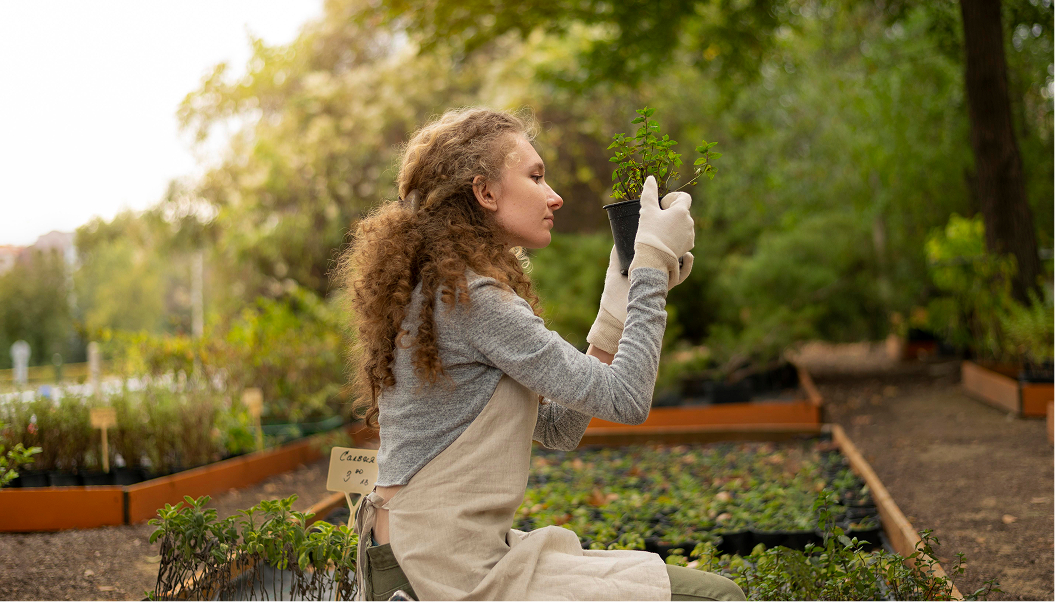
Something unexpected is happening on Britain's allotment waiting lists. The names are young. Not the retired schoolteachers and semi-professional courgette growers who have long defined the allotment's cultural image, but people in their twenties and early thirties, many of them living in flats, working in digital jobs, with no particular gardening heritage to speak of. They are waiting years for a plot of land smaller than a parking space, and they cannot wait to get started.
The numbers bear this out. The National Allotment Society has reported a surge in applications from the under-35 age group that began during the pandemic and has not slowed since. In cities like Bristol, Manchester and Edinburgh, waiting times for allotments have stretched to five years or more. The interest, far from being a lockdown blip, appears to be structural. Something in the culture has shifted.
The numbers bear this out. The National Allotment Society has reported a surge in applications from the under-35 age group that began during the pandemic and has not slowed since. In cities like Bristol, Manchester and Edinburgh, waiting times for allotments have stretched to five years or more. The interest, far from being a lockdown blip, appears to be structural. Something in the culture has shifted.
Ask any young gardener why they made the switch and the answers cluster around a handful of familiar themes. Anxiety, mainly. The relentlessness of digital life. The need for something tactile, slow and genuinely unpredictable in a world that optimises everything to within an inch of its life. Jade, 26, gave up her Saturday nights at a warehouse club in Peckham for Sunday mornings at an allotment in Brockley. She does not miss the club.
There is something about putting your hands in soil that is the absolute opposite of everything else in my life, she explains. My phone does not work out there. Nobody needs anything from me. I plant something and I either killed it or I did not, and both outcomes are fine. It is the only part of my week that feels genuinely real.
There is something about putting your hands in soil that is the absolute opposite of everything else in my life, she explains. My phone does not work out there. Nobody needs anything from me. I plant something and I either killed it or I did not, and both outcomes are fine. It is the only part of my week that feels genuinely real.
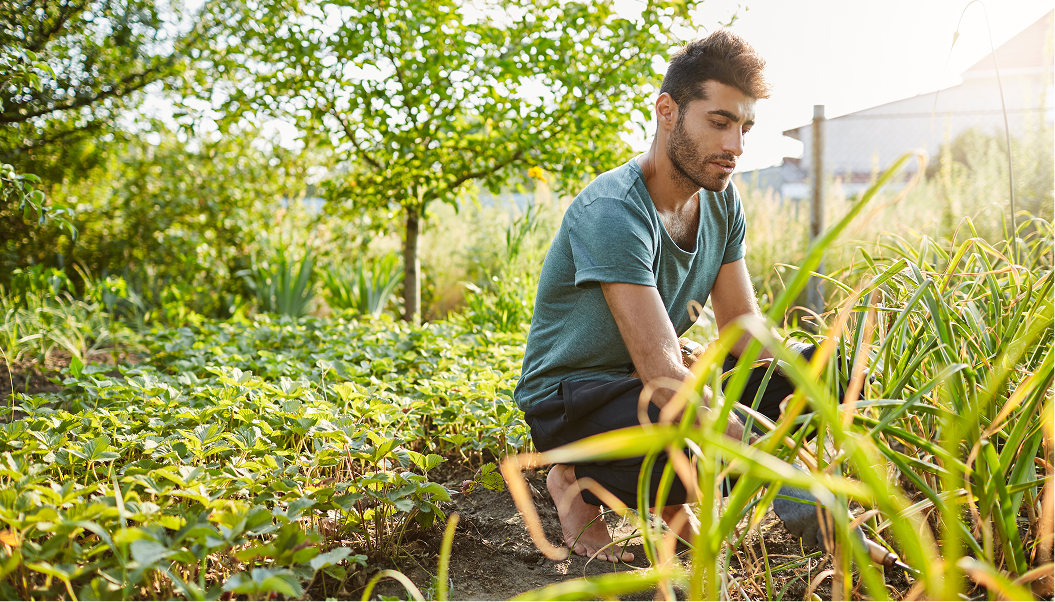
This is not, it turns out, a uniquely personal feeling. Researchers studying the mental health benefits of gardening have documented what practitioners have known instinctively for years: that time spent working with soil, plants and natural cycles measurably reduces cortisol levels, improves mood and produces a quality of focused calm that even the most sophisticated mindfulness app cannot quite replicate. Mycobacterium vaccae, a bacterium found in soil, has been linked to the production of serotonin in the human brain. The earth, it seems, is literally good for you.
Social media has played an interesting double role in the trend. While it is partly responsible for the attention economy and the always-on pressure that drives young people towards the allotment in the first place, it has also become the vehicle through which gardening culture has been radically democratised. On TikTok and Instagram, a generation of young growers is sharing failures as readily as successes, posting slugs alongside sunsets, documenting the unglamorous reality of growing food alongside its genuine pleasures. The aesthetic is not aspirational. It is honest.
Social media has played an interesting double role in the trend. While it is partly responsible for the attention economy and the always-on pressure that drives young people towards the allotment in the first place, it has also become the vehicle through which gardening culture has been radically democratised. On TikTok and Instagram, a generation of young growers is sharing failures as readily as successes, posting slugs alongside sunsets, documenting the unglamorous reality of growing food alongside its genuine pleasures. The aesthetic is not aspirational. It is honest.
Accounts like @dirtundermynails and @the.urban.grower have amassed hundreds of thousands of followers not by presenting perfect gardens but by making growing feel accessible to anyone with a pot, a windowsill or a scrap of outdoor space. The message is consistent: you do not need land, knowledge or money to start. You need only the willingness to begin.
What Gen Z seems to be discovering, almost collectively, is something that every previous generation of gardeners has known and that the wider culture periodically forgets: that growing things is one of the most fundamentally satisfying things a human being can do. In an era defined by abstraction, by work that produces no physical object and leisure that leaves no trace, the allotment offers something almost countercultural in its simplicity. A seed goes in. A plant comes up. You eat it. The logic is unassailable.
The queue for the allotment gets longer every year. Nobody seems to mind the wait.
What Gen Z seems to be discovering, almost collectively, is something that every previous generation of gardeners has known and that the wider culture periodically forgets: that growing things is one of the most fundamentally satisfying things a human being can do. In an era defined by abstraction, by work that produces no physical object and leisure that leaves no trace, the allotment offers something almost countercultural in its simplicity. A seed goes in. A plant comes up. You eat it. The logic is unassailable.
The queue for the allotment gets longer every year. Nobody seems to mind the wait.