The "No Spend Month" Challenge That's Taking Over Social Media and Genuinely Changing Lives
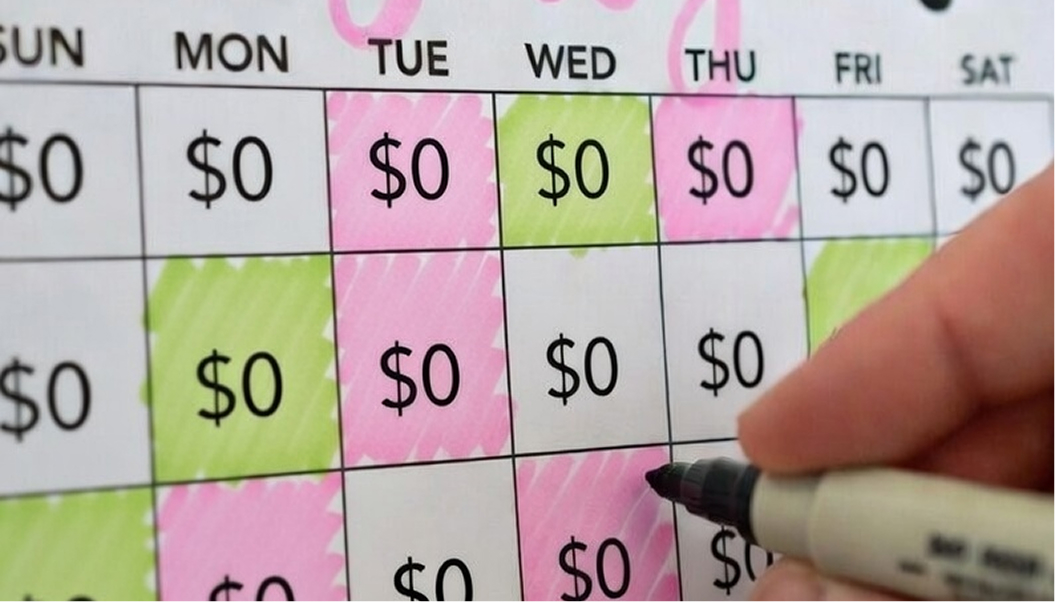
It sounds punishing. A full month during which you commit to spending no money beyond absolute essentials: rent or mortgage, utility bills, groceries and necessary travel. No new clothes. No restaurants or takeaways. No online shopping. No spontaneous purchases. No treats. Just a clear, hard line between what you genuinely need and what you have been spending money on by habit.
The "no spend month" challenge has been circulating in personal finance and wellness communities for several years, but in 2025 and into 2026 it has broken properly into mainstream social media conversation, driven largely by people sharing their results in genuine, unfiltered posts that have resonated with an audience dealing with persistent cost of living pressures and a growing awareness that their spending habits have quietly run away from their values.
The "no spend month" challenge has been circulating in personal finance and wellness communities for several years, but in 2025 and into 2026 it has broken properly into mainstream social media conversation, driven largely by people sharing their results in genuine, unfiltered posts that have resonated with an audience dealing with persistent cost of living pressures and a growing awareness that their spending habits have quietly run away from their values.
The financial results people report are significant. A typical month of discretionary spending for a British adult, when honestly totalled, often amounts to far more than the person expected. Regular coffees, lunches bought rather than made, subscriptions half-forgotten, the steady drip of small online purchases: these accumulate into sums that surprise most people when they are forced to confront them. Many participants report saving several hundred pounds in a single month, with some reporting considerably more.
But the financial benefit, while real and welcome, is frequently described by participants as the secondary gain. What the no spend month primarily produces is clarity. When you remove the option to spend, you are forced to confront directly what you actually needed versus what you were reaching for automatically. The afternoon coffee that you told yourself you deserved turns out to have been masking mild boredom. The online shopping session in the evening turns out to have been a response to stress. The takeaway ordered on a Friday night turns out to have been a substitute for the social connection that was actually missing.
But the financial benefit, while real and welcome, is frequently described by participants as the secondary gain. What the no spend month primarily produces is clarity. When you remove the option to spend, you are forced to confront directly what you actually needed versus what you were reaching for automatically. The afternoon coffee that you told yourself you deserved turns out to have been masking mild boredom. The online shopping session in the evening turns out to have been a response to stress. The takeaway ordered on a Friday night turns out to have been a substitute for the social connection that was actually missing.
That clarity, once achieved, tends to outlast the month itself. Participants consistently describe a permanent recalibration in their relationship with spending. Things they previously bought unthinkingly begin to feel optional. The gap between impulse and purchase, once almost non-existent, widens into a space for genuine decision-making.
The practical approach to a no spend month that seems most sustainable involves detailed preparation before the month begins. Stock the freezer. Identify the situations that typically trigger discretionary spending and plan
The practical approach to a no spend month that seems most sustainable involves detailed preparation before the month begins. Stock the freezer. Identify the situations that typically trigger discretionary spending and plan
alternatives for them. Tell people in your life what you are doing, both for accountability and to avoid awkward social situations. And keep a journal, not of what you did not spend but of how you felt. The emotional data is the most useful thing you will collect.
A no spend month is not a punishment. Used well, it is a reset, a chance to see clearly what your money is actually doing and decide whether you want it to keep doing that.
A no spend month is not a punishment. Used well, it is a reset, a chance to see clearly what your money is actually doing and decide whether you want it to keep doing that.