The Places That Climate Change Is Quietly Rewriting
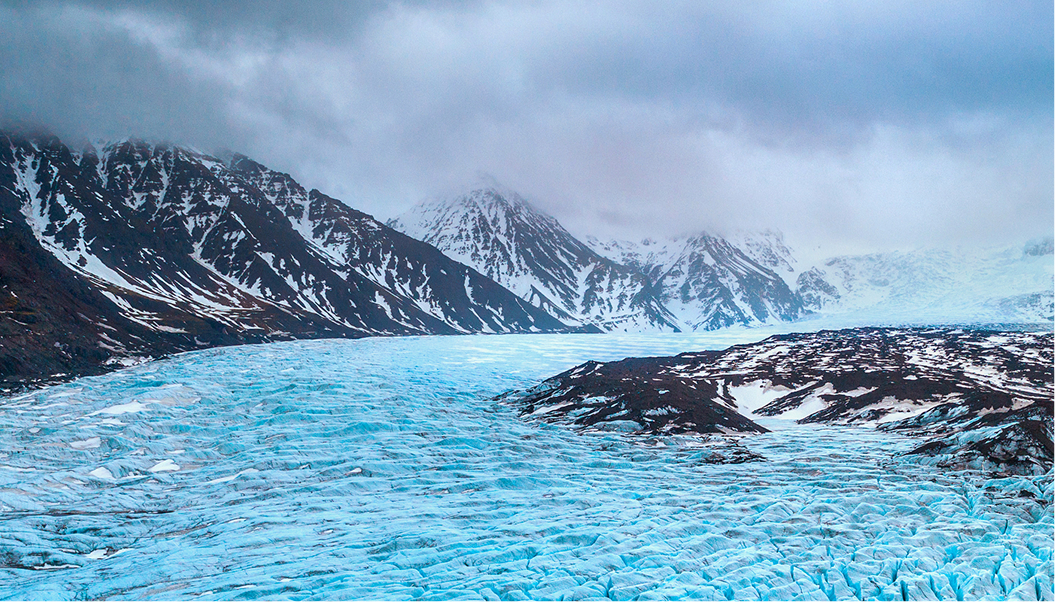
I have a photograph of the Mer de Glace. My grandmother took it on a trip to Chamonix in 1971, standing at the viewing platform above Montenvers station, the glacier filling the valley below her in an unbroken sweep of blue-white ice. Last summer I stood in almost exactly the same spot. The glacier was still there, but it had retreated so far and dropped so low that the station has had to install a metal staircase of several hundred steps just to reach its surface. The staircase gets longer every few years.
The Mer de Glace is one of the most visible symbols of something that the travel industry is beginning to confront with increasing seriousness, which is that climate change is actively rewriting the map of the world's destinations, and that some of the places people have dreamed of visiting for generations may look profoundly different, or may no longer exist in their current form, within the lifetimes of people alive today.
The Mer de Glace is one of the most visible symbols of something that the travel industry is beginning to confront with increasing seriousness, which is that climate change is actively rewriting the map of the world's destinations, and that some of the places people have dreamed of visiting for generations may look profoundly different, or may no longer exist in their current form, within the lifetimes of people alive today.
The Maldives, that constellation of low-lying islands that has come to represent the aspirational pinnacle of luxury travel, faces an existential challenge from rising sea levels that is not hypothetical but measurable and ongoing. Australia's Great Barrier Reef has experienced repeated mass bleaching events. The glaciers of Iceland, once a central part of the country's extraordinary landscape appeal, are retreating at rates that have prompted the Icelandic government to begin placing memorial plaques at the sites of glaciers that have disappeared entirely.
There is a phrase that has entered the travel conversation in recent years: last chance tourism. The idea that people are visiting vulnerable destinations precisely because they are vulnerable, driven by a desire to see them before they change beyond recognition. The ethics of this are genuinely complicated. The carbon cost of flying to a glacier to witness its retreat contributes, however fractionally, to the very process causing the retreat. Acknowledging this is not comfortable.
There is a phrase that has entered the travel conversation in recent years: last chance tourism. The idea that people are visiting vulnerable destinations precisely because they are vulnerable, driven by a desire to see them before they change beyond recognition. The ethics of this are genuinely complicated. The carbon cost of flying to a glacier to witness its retreat contributes, however fractionally, to the very process causing the retreat. Acknowledging this is not comfortable.
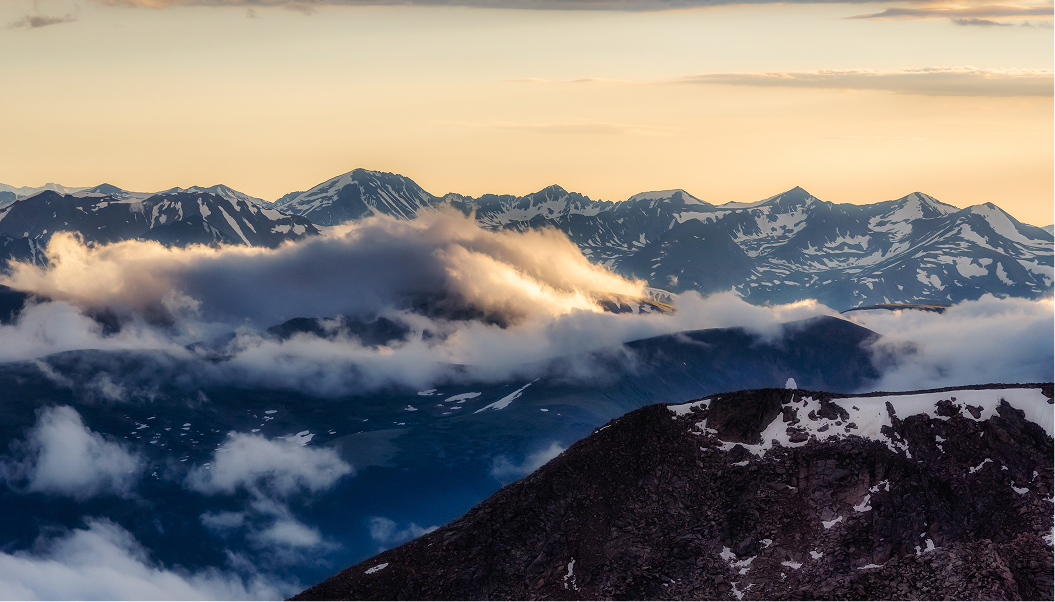
What is more hopeful is the parallel story, of destinations actively reimagining themselves in response to a changing climate. Costa Rica now generates almost all of its electricity from renewable sources and has made the protection of its extraordinary biodiversity a cornerstone of its tourism identity. Bhutan has long operated a high-value, low-volume model that limits visitor numbers and funds conservation. Slovenia, quietly one of Europe's most beautiful countries, has built an entire national tourism brand around sustainability that feels earned rather than marketed.
The future of travel will not look like the past. Some of that is loss, real and worth grieving. But some of it is also an invitation to pay closer attention to what we still have, and to make different choices about how we experience it. My grandmother's glacier is smaller now. What remains is still, on a clear morning with the Alps rising around it, one of the most beautiful things I have ever seen. I would like it to still be there for whoever comes after me. That desire feels like a reasonable place to start.