
The £30 Garden That Beat the Chelsea Show Gardens on TikTok

Priya Mehta had never gardened before. She had a concrete backyard, thirty pounds and nothing to lose.
Priya Mehta had never gardened before. She had a concrete backyard, thirty pounds and nothing to lose. What she created over a single weekend in April became, to her considerable bewilderment, one of the most watched garden videos on British TikTok that month, outperforming content from professional garden designers, major horticultural brands and, rather deliciously, several carefully curated posts from the RHS Chelsea Flower Show.
The video was not polished. Shot on a phone, edited in fifteen minutes, it showed a narrow terraced backyard in Leeds being transformed with a bag of compost, a tray of trailing lobelia from a car boot sale, three terracotta pots rescued from a skip, and a climbing rose purchased for nine pounds from a garden centre closing-down sale. Priya talked throughout, making no claims to expertise. The whole thing felt like watching a friend figure something out in real time. Seven hundred thousand people watched it in four days.
The video was not polished. Shot on a phone, edited in fifteen minutes, it showed a narrow terraced backyard in Leeds being transformed with a bag of compost, a tray of trailing lobelia from a car boot sale, three terracotta pots rescued from a skip, and a climbing rose purchased for nine pounds from a garden centre closing-down sale. Priya talked throughout, making no claims to expertise. The whole thing felt like watching a friend figure something out in real time. Seven hundred thousand people watched it in four days.
The comments were extraordinary. Not the usual social media noise but something more searching and personal. People writing about the gardens they had always wanted and never thought they could afford. People in flats, in bedsits, on estates, asking what compost she had used and whether the lobelia would work in a north-facing window box. The video had accidentally detonated a conversation that the gardening industry, with its expensive tools and aspirational imagery, had never quite managed to start.
The Chelsea Flower Show, for all its genuine magnificence, has an image problem that its organisers are well aware of. The show gardens that dominate its coverage are designed by award-winning landscape architects, built by teams of craftspeople and funded by corporate sponsors to the tune of hundreds of thousands of pounds. They are extraordinary achievements, and they bear essentially no relationship to the experience of the average British gardener standing in a modest back garden wondering what to do with a shady corner.
The Chelsea Flower Show, for all its genuine magnificence, has an image problem that its organisers are well aware of. The show gardens that dominate its coverage are designed by award-winning landscape architects, built by teams of craftspeople and funded by corporate sponsors to the tune of hundreds of thousands of pounds. They are extraordinary achievements, and they bear essentially no relationship to the experience of the average British gardener standing in a modest back garden wondering what to do with a shady corner.
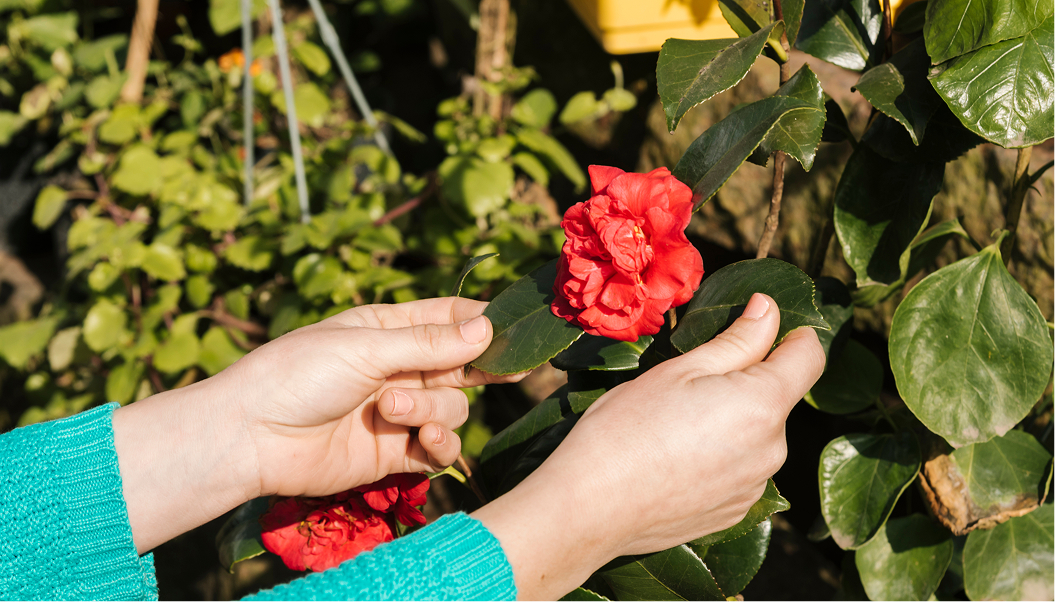
Priya's video offered something Chelsea cannot: radical accessibility. Here was a garden anyone could make, in a space anyone might have, for a sum of money that required no financial sacrifice. The plants were imperfect. The pots were mismatched. The whole thing was slightly chaotic and completely alive. It looked, in other words, like a real garden made by a real person, and that turned out to be exactly what people needed to see.
Since the video went viral, Priya has been approached by two garden brands, a lifestyle magazine and a television production company. She has politely declined most of it. What she has done is continue gardening, expanding her concrete backyard one charity shop pot at a time, documenting it all with the same cheerful transparency that made the first video resonate. Her following has grown to over sixty thousand people, most of whom seem primarily interested in her ongoing attempts to grow tomatoes in a space that gets approximately three hours of direct sunlight a day.
Since the video went viral, Priya has been approached by two garden brands, a lifestyle magazine and a television production company. She has politely declined most of it. What she has done is continue gardening, expanding her concrete backyard one charity shop pot at a time, documenting it all with the same cheerful transparency that made the first video resonate. Her following has grown to over sixty thousand people, most of whom seem primarily interested in her ongoing attempts to grow tomatoes in a space that gets approximately three hours of direct sunlight a day.
The tomatoes, for the record, are struggling. Priya is not concerned. She posted a video about the struggling tomatoes that got eighty thousand views.
What the phenomenon points to is a genuine hunger in British garden culture for a different kind of storytelling. Not the perfection of a show garden or the authority of an expert, but the honesty of someone learning in public, spending carefully and finding joy in the imperfect and the cobbled-together. Gardens do not need to be expensive to be beautiful. They need, as Priya's concrete yard proves with considerable charm, only to be loved.
What the phenomenon points to is a genuine hunger in British garden culture for a different kind of storytelling. Not the perfection of a show garden or the authority of an expert, but the honesty of someone learning in public, spending carefully and finding joy in the imperfect and the cobbled-together. Gardens do not need to be expensive to be beautiful. They need, as Priya's concrete yard proves with considerable charm, only to be loved.