The Return of the Statement Coat: How Women Are Dressing for Themselves Again
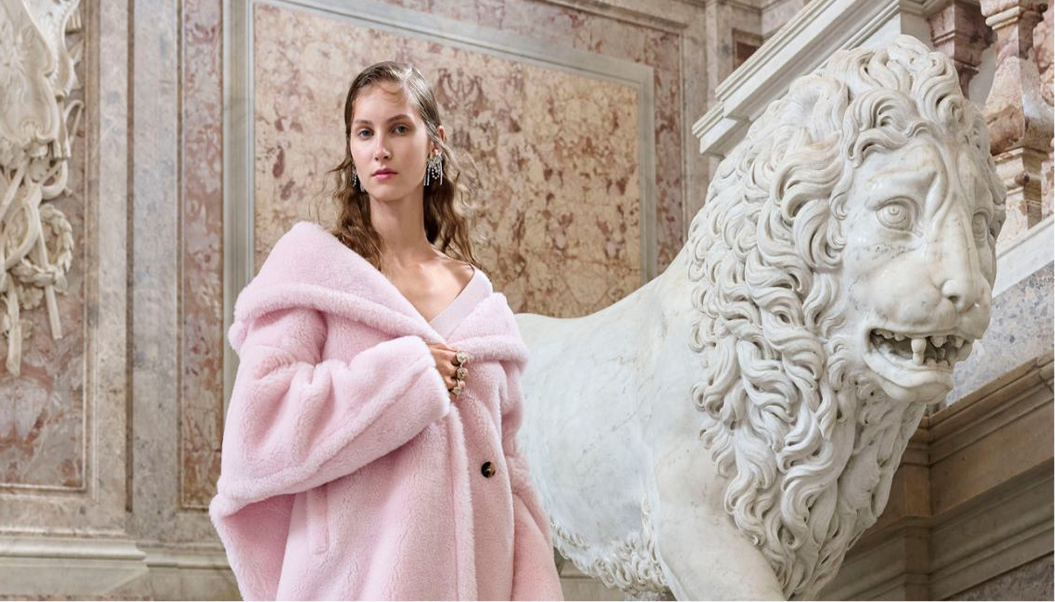
The coat has had enough of being sensible. It has had enough of being practical, of blending in, of apologising for existing. The coat is back, and it would like a word.
There is a woman on the tube. She is wearing a coat the colour of a very confident tangerine. It has oversized lapels, a slightly theatrical cut and the air of something that did not arrive at its current level of magnificence by accident. Three people in the carriage are staring at it with expressions that could charitably be described as awe and less charitably as the particular look of someone who wishes they had been bolder this morning. The woman wearing the coat is looking at her phone and is not thinking about any of this. She bought the coat because she loved it and she loves wearing it and that, as it turns out, is the whole story.
The statement coat has returned and it has done so with the energy of something that has been waiting patiently for its moment and has finally lost patience with waiting. After several years of muted, responsible outerwear in shades that suggested the wearer wished to move through the world without being detected, women are buying coats that announce themselves. Coats in saturated jewel tones. Coats in unexpected textures. Coats with proportions that reference the 1970s and the 1940s simultaneously without apologising to either decade. Coats, in short, that are worn for the pleasure of wearing them.
The statement coat has returned and it has done so with the energy of something that has been waiting patiently for its moment and has finally lost patience with waiting. After several years of muted, responsible outerwear in shades that suggested the wearer wished to move through the world without being detected, women are buying coats that announce themselves. Coats in saturated jewel tones. Coats in unexpected textures. Coats with proportions that reference the 1970s and the 1940s simultaneously without apologising to either decade. Coats, in short, that are worn for the pleasure of wearing them.
The shift is partly aesthetic and partly something more interesting. The quiet luxury movement, for all its genuine appeal, produced a peculiar side effect: an enormous number of women dressed as though they were trying very hard to look as though they were not trying at all. The resulting sea of camel, oatmeal and tasteful grey was elegant in isolation and slightly exhausting in aggregate. A woman can only walk past so many identically understated outfits before she begins to feel a powerful desire for something with a bit of personality.
The designers who understood this first were, perhaps predictably, the ones with a historical awareness that fashion moves in cycles and that restraint, however beautiful, eventually produces a hunger for its opposite. Bottega Veneta gave women coats in extraordinary colours and sculptural shapes. Max Mara, the ancestral home of the perfectly cut coat, began offering its signature silhouettes in shades that were anything but retiring. Smaller British brands, always sensitive to the mood of the actual woman on the actual street, followed with offerings that were dramatic without being unwearable.
The designers who understood this first were, perhaps predictably, the ones with a historical awareness that fashion moves in cycles and that restraint, however beautiful, eventually produces a hunger for its opposite. Bottega Veneta gave women coats in extraordinary colours and sculptural shapes. Max Mara, the ancestral home of the perfectly cut coat, began offering its signature silhouettes in shades that were anything but retiring. Smaller British brands, always sensitive to the mood of the actual woman on the actual street, followed with offerings that were dramatic without being unwearable.
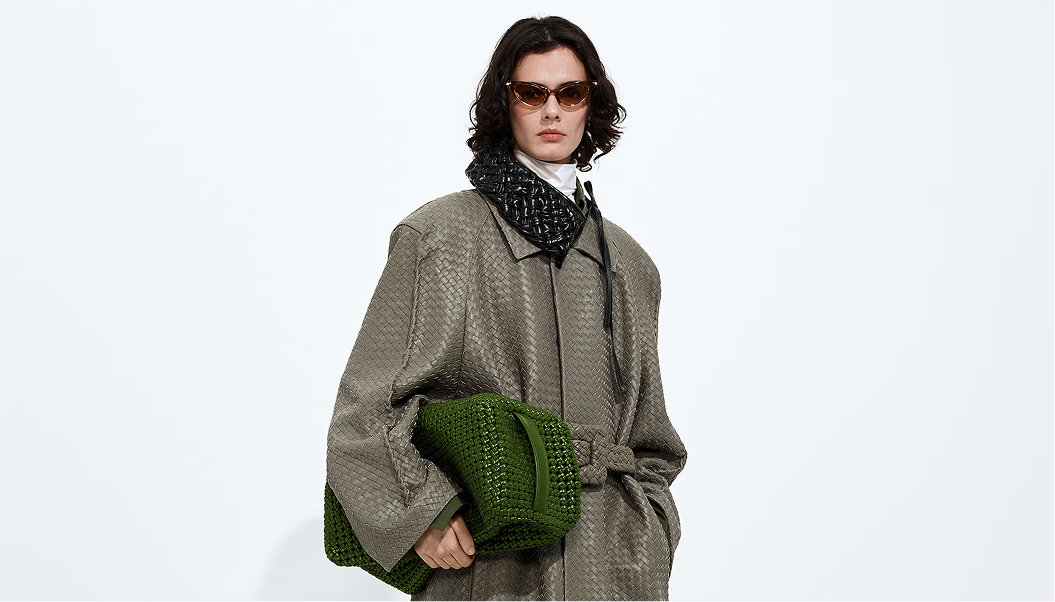
What is striking about the current moment is who is buying these coats and why. It is not primarily the young, though the young are absolutely involved. It is women across a considerable range of ages who have arrived at the same conclusion by slightly different routes: that dressing for the approval of others is a tedious exercise and that dressing for their own pleasure is considerably more fun. The statement coat is, in this reading, a small act of self-determination in outerwear form.
The practical arguments against it have never been weaker. A coat in a strong colour works just as hard as a neutral one. It keeps you warm with equal efficiency. It asks only that you commit to it, which is a reasonable request from a garment that is committing very fully to you.
On the tube, the woman in the tangerine coat gets off at Green Park. Three people watch her leave. One of them reaches for their phone and starts searching.
On the tube, the woman in the tangerine coat gets off at Green Park. Three people watch her leave. One of them reaches for their phone and starts searching.