After Dark: The Secret Outdoor Events Turning Britain's Countryside Into Something Sinister
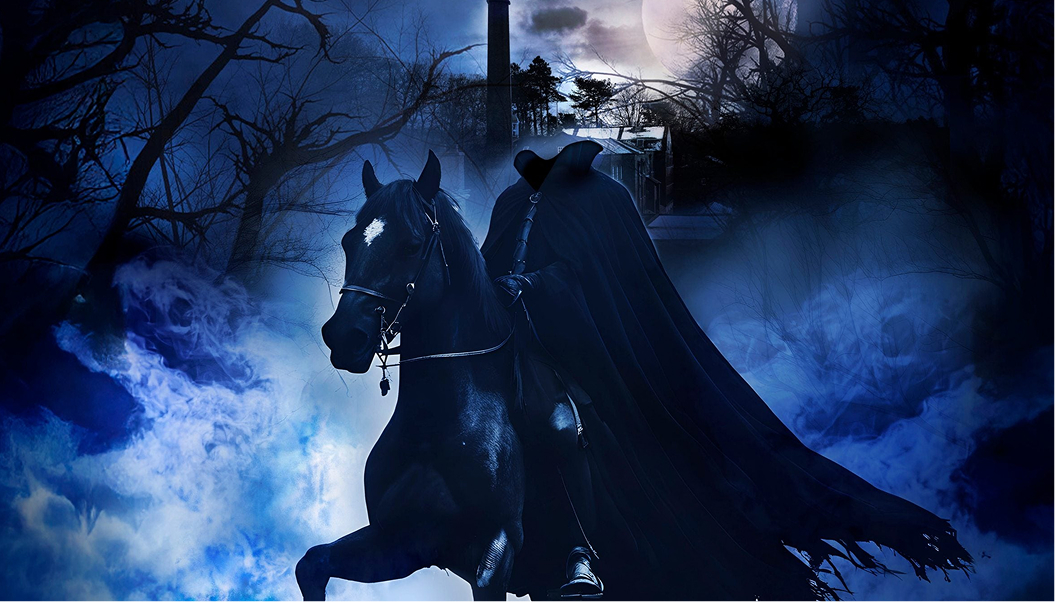
The National Trust car park closes at five. What happens in the grounds after that is not on any leaflet.
Britain has a long tradition of treating its countryside as a place for sensible recreation. Walking. Birdwatching. The occasional ill-advised attempt at wild swimming that ends with someone very cold and surprisingly cheerful. What has happened to the British countryside after dark in the past three years represents something considerably less sensible and considerably more interesting.
Moonlit raves in ancient woodland, staged without announcement and discovered through coordinates shared at the last possible moment, have become one of the most sought-after experiences on the alternative events circuit. The combination of old-growth forest, carefully curated sound systems, no phone signal and the particular quality of darkness that exists twenty minutes from the nearest road produces an atmosphere that no purpose-built venue has successfully replicated. People travel from London, from Bristol, from Edinburgh, for events they cannot confirm are happening until they are already in the car.
Moonlit raves in ancient woodland, staged without announcement and discovered through coordinates shared at the last possible moment, have become one of the most sought-after experiences on the alternative events circuit. The combination of old-growth forest, carefully curated sound systems, no phone signal and the particular quality of darkness that exists twenty minutes from the nearest road produces an atmosphere that no purpose-built venue has successfully replicated. People travel from London, from Bristol, from Edinburgh, for events they cannot confirm are happening until they are already in the car.
More formally organised but no less atmospheric, a wave of nocturnal experiences at historic estates and heritage properties has transformed how these spaces are understood and visited. Blenheim Palace, Chatsworth, Castle Howard and dozens of smaller properties have experimented with after-dark programming that uses their grounds as theatrical space. Light installations that play with the architecture of centuries-old buildings. Sound art pieces placed in walled gardens that become, in darkness, genuinely unsettling. Guided walks through formal gardens at midnight that somehow combine the horticultural and the faintly sinister.
The immersive horror trail, an evolution of the traditional ghost walk that incorporates professional performers, environmental storytelling and the strategic use of darkness, fog and silence, has become one of the most commercially successful outdoor entertainment formats in Britain. The best examples use their locations with genuine intelligence, drawing on actual histories of the places involved rather than generic supernatural scaffolding. A walk through a site with genuine dark history, in genuine darkness, with performers who understand how to use space and silence, produces a quality of dread that a purpose-built haunted attraction cannot approach.
The immersive horror trail, an evolution of the traditional ghost walk that incorporates professional performers, environmental storytelling and the strategic use of darkness, fog and silence, has become one of the most commercially successful outdoor entertainment formats in Britain. The best examples use their locations with genuine intelligence, drawing on actual histories of the places involved rather than generic supernatural scaffolding. A walk through a site with genuine dark history, in genuine darkness, with performers who understand how to use space and silence, produces a quality of dread that a purpose-built haunted attraction cannot approach.
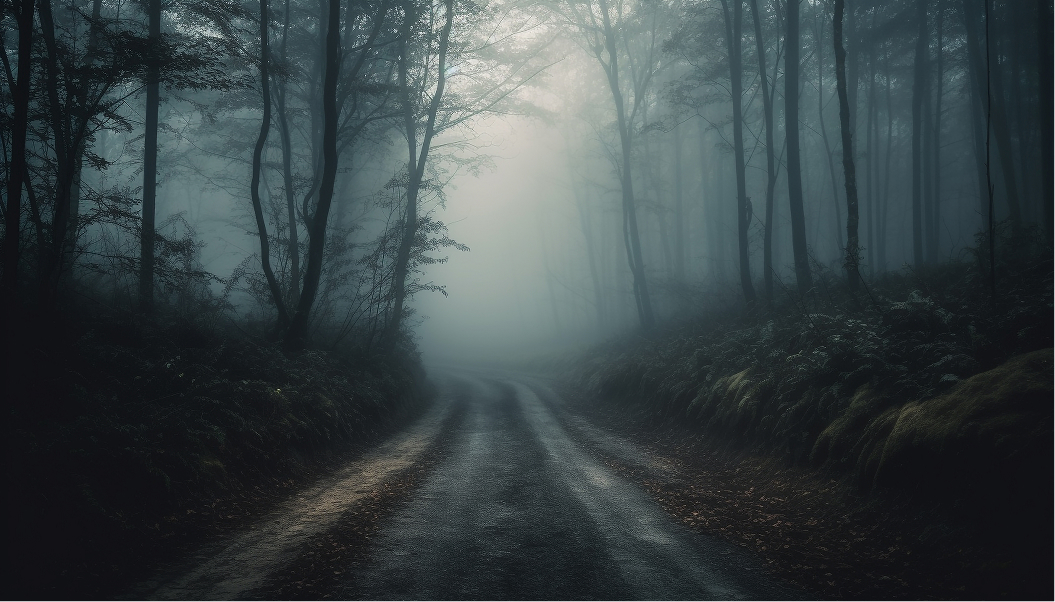
Graveyards, inevitably, have entered the picture. Several historic churchyards across the UK now host events that range from silent discos to atmospheric chamber music performances. The tonal tension between the sacred quiet of the space and the experience of dancing to music only you can hear through headphones turns out to be not disrespectful but oddly moving. Participants describe the experience in terms of genuine connection with the place rather than transgression of it.
The outdoor cinema, once a summer luxury, has reinvented itself as a year-round proposition by embracing rather than apologising for the cold. Screenings of classic horror films in winter woodland, blankets and hot drinks provided, the screen visible through the bare branches of deciduous trees, have become one of the most reliably atmospheric entertainment experiences available in Britain regardless of season.
The outdoor cinema, once a summer luxury, has reinvented itself as a year-round proposition by embracing rather than apologising for the cold. Screenings of classic horror films in winter woodland, blankets and hot drinks provided, the screen visible through the bare branches of deciduous trees, have become one of the most reliably atmospheric entertainment experiences available in Britain regardless of season.
What all of these experiences share is an understanding that darkness is not an obstacle to be overcome but a resource to be used. The countryside at night is not the countryside neutralised. It is the countryside revealed, older and stranger and more powerful than its daytime face allows.
The National Trust car park may close at five. What the land does with the remaining hours is its own business.
The National Trust car park may close at five. What the land does with the remaining hours is its own business.