The Sex, the Scandal and the Standing Ovations
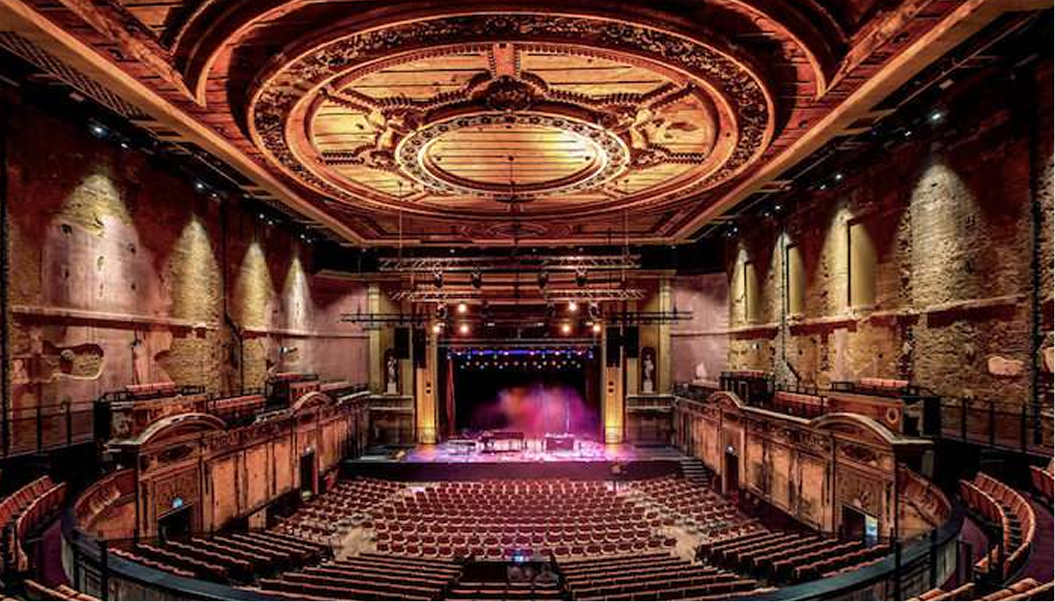
The critics are uncomfortable. The audiences are obsessed. The box office is reporting numbers that nobody expected and everyone is quietly relieved about. Something has changed on the West End.
Theatre has always understood, at some level, that the most powerful experiences it can offer are the ones that disturb as well as delight. The history of the form is a history of provocation: of plays that were banned, producers who were prosecuted, audiences who walked out and came back the following night. The West End, in its more commercial incarnation, has spent several decades smoothing those edges in the interest of accessibility and revenue. The current season suggests that experiment may be over.
What is happening in London's theatrical heartland in 2026 is a confluence of factors that has produced, almost by accident, the most creatively alive season in recent memory. A generation of directors who trained in experimental companies and fringe venues have arrived in larger spaces with their instincts intact and their ambitions significantly expanded. Producers who spent the pandemic years reconsidering what audiences actually want, as opposed to what received wisdom assumed they wanted, have backed projects that would previously have been considered uncommercially risky.
What is happening in London's theatrical heartland in 2026 is a confluence of factors that has produced, almost by accident, the most creatively alive season in recent memory. A generation of directors who trained in experimental companies and fringe venues have arrived in larger spaces with their instincts intact and their ambitions significantly expanded. Producers who spent the pandemic years reconsidering what audiences actually want, as opposed to what received wisdom assumed they wanted, have backed projects that would previously have been considered uncommercially risky.
The results include a production of a classic text that reimagines its staging with such radical physicality that several first-night critics reached for adjectives they had not used in years. A new play about power and desire that does not flinch from either. A musical adaptation of a source novel that was itself considered unadaptable, presented with a design sensibility so distinctive that the production has generated more column inches for its visual approach than for any individual performance, though the performances are extraordinary.
Nudity has returned to serious theatrical consideration after a period in which its use had become so fraught with contextual negotiation that directors were avoiding it entirely. The current season includes several productions that use the unclothed body not as provocation but as dramatic necessity, in contexts where the vulnerability it creates is essential to the meaning being made. The distinction between nudity as statement and nudity as story is one that audiences, to their considerable credit, appear capable of making without assistance.
Nudity has returned to serious theatrical consideration after a period in which its use had become so fraught with contextual negotiation that directors were avoiding it entirely. The current season includes several productions that use the unclothed body not as provocation but as dramatic necessity, in contexts where the vulnerability it creates is essential to the meaning being made. The distinction between nudity as statement and nudity as story is one that audiences, to their considerable credit, appear capable of making without assistance.
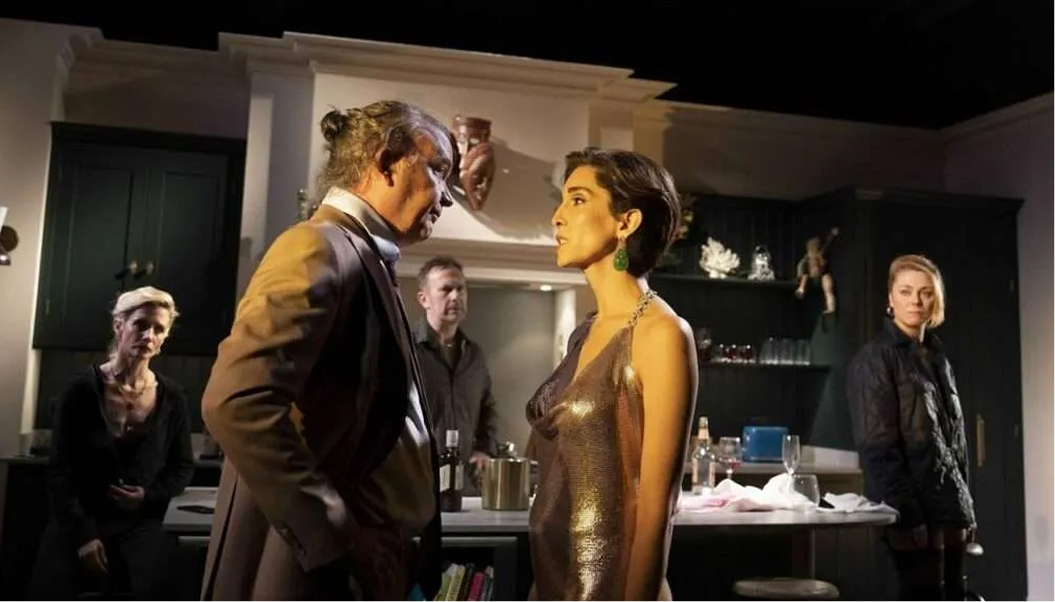
The conversation about what theatre is permitted to do, always present somewhere in the culture, has become unusually public this season. Two productions have attracted pre-opening protests that generated press coverage far beyond the theatrical pages. In both cases, the protests appear to have functioned primarily as marketing, filling houses that might otherwise have taken longer to sell out and creating a quality of anticipation that transformed first nights into cultural events.
What the standing ovations at the end of the most controversial productions of the season share is a particular quality. Not the reflexive standing ovation of the musical theatre crowd, grateful and generous and occasionally inaccurate in its assessment, but the standing ovation of people who have been genuinely affected by something they did not entirely expect. The ovation that comes from an audience that has been asked to feel something difficult and has found, in that difficulty, something worth celebrating.
What the standing ovations at the end of the most controversial productions of the season share is a particular quality. Not the reflexive standing ovation of the musical theatre crowd, grateful and generous and occasionally inaccurate in its assessment, but the standing ovation of people who have been genuinely affected by something they did not entirely expect. The ovation that comes from an audience that has been asked to feel something difficult and has found, in that difficulty, something worth celebrating.
Theatre at its best has always been dangerous. Not in the sense of physical risk or genuine transgression, but in the sense of genuine encounter: between the work and the audience, between the audience and itself, between the comfortable story we tell about who we are and the more complicated one being told from the stage.
The current West End season is making that encounter available again. Book early. Wear something you do not mind being challenged in.
The current West End season is making that encounter available again. Book early. Wear something you do not mind being challenged in.