
The Sheds Are the New Office Revolution: How Britain Fell in Love With Garden Rooms
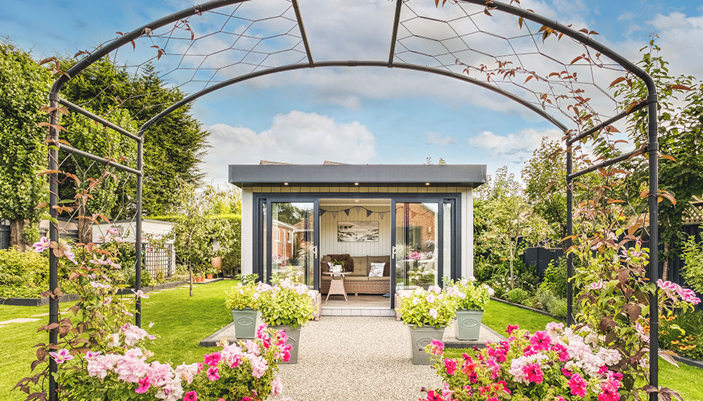
It started with lockdown and a desperate need for somewhere to take Zoom calls that was not the kitchen table. But several years on, the garden room revolution shows absolutely no signs of slowing down. Britain has fallen deeply, expensively and rather beautifully in love with the idea of transforming the bottom of the garden into something extraordinary.
Garden rooms, garden offices, garden studios, she-sheds, man caves: whatever you choose to call them, they are one of the biggest trends in British homebuilding right now. Planning permission applications for garden structures have grown substantially year on year since 2020, and the garden room industry, once a niche offering from a handful of specialist companies, has exploded into a crowded, competitive and increasingly sophisticated market.
The appeal is easy to understand. Working from home has become a permanent feature of many people's professional lives, and separating the workspace from the living space is genuinely transformative for both productivity and wellbeing.
Garden rooms, garden offices, garden studios, she-sheds, man caves: whatever you choose to call them, they are one of the biggest trends in British homebuilding right now. Planning permission applications for garden structures have grown substantially year on year since 2020, and the garden room industry, once a niche offering from a handful of specialist companies, has exploded into a crowded, competitive and increasingly sophisticated market.
The appeal is easy to understand. Working from home has become a permanent feature of many people's professional lives, and separating the workspace from the living space is genuinely transformative for both productivity and wellbeing.
Having a dedicated building at the end of the garden creates a psychological boundary that a spare bedroom simply cannot. You walk down the garden path, step inside and your brain knows it is time to work. You close the door at the end of the day, walk back to the house and you have genuinely left the office. That separation, so easily lost when your desk is in the corner of the bedroom, is enormously valuable.
But the garden room boom is about far more than home offices. Studios for painting, pottery and other creative pursuits have proliferated. Home gyms fitted with professional equipment have become aspirational but increasingly affordable alternatives to gym memberships. Teenagers are being given converted garden rooms as bedroom-studio spaces, removing the constant negotiation over noise and screen time. Some families are installing self-contained guest annexes complete with kitchenettes and en-suite bathrooms.
But the garden room boom is about far more than home offices. Studios for painting, pottery and other creative pursuits have proliferated. Home gyms fitted with professional equipment have become aspirational but increasingly affordable alternatives to gym memberships. Teenagers are being given converted garden rooms as bedroom-studio spaces, removing the constant negotiation over noise and screen time. Some families are installing self-contained guest annexes complete with kitchenettes and en-suite bathrooms.
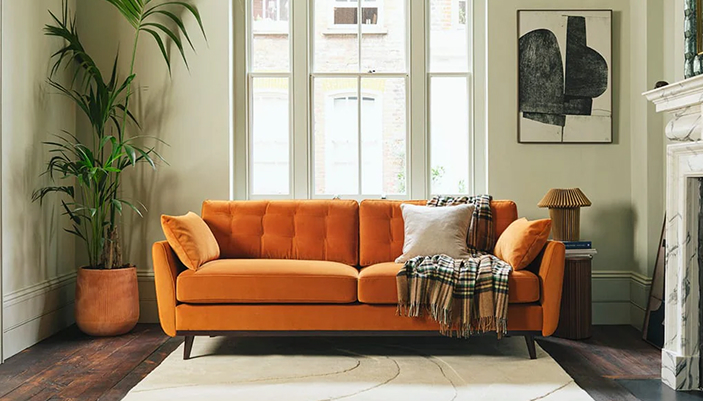
The designs have become remarkably refined. Contemporary garden rooms by companies like Cabin Master, Green Retreats and Rubicon can incorporate underfloor heating, full insulation, bi-fold doors, mood lighting and high-spec interiors that rival anything inside the main house. Timber-framed structures with green roofs have become particularly popular among homeowners who want something that sits harmoniously within the garden rather than dominating it.
From a financial perspective, a well-built garden room adds genuine value to a property. Estate agents consistently report that garden offices are now among the most sought-after features in family home searches, ranking alongside good schools and off-road parking.
From a financial perspective, a well-built garden room adds genuine value to a property. Estate agents consistently report that garden offices are now among the most sought-after features in family home searches, ranking alongside good schools and off-road parking.
Many garden rooms fall under permitted development rights, meaning planning permission is not required provided certain size and location criteria are met, though it is always worth checking with your local authority before proceeding.
If you are lucky enough to have outdoor space and have been toying with the idea, the message from both the property market and the wellness world is the same: a garden room may well be one of the wisest investments you ever make.
If you are lucky enough to have outdoor space and have been toying with the idea, the message from both the property market and the wellness world is the same: a garden room may well be one of the wisest investments you ever make.