The Show That Made Forty Grown Adults Cry in a Theme Park
You survived the rollercoaster. You survived the four-pound churro. You did not survive the ten-minute theatrical experience in a small room near the gift shop. Nobody warned you about the gift shop room.
It begins, innocuously enough, with a cast member in period costume asking if you would like to see something special. You have been at the theme park for six hours. You are wearing a poncho that was absolutely necessary at eleven and is now making you look like a sentient recycling bag. You have eaten a quantity of fried food that would alarm a cardiologist. You say yes because at this point you will say yes to anything that does not involve queuing.
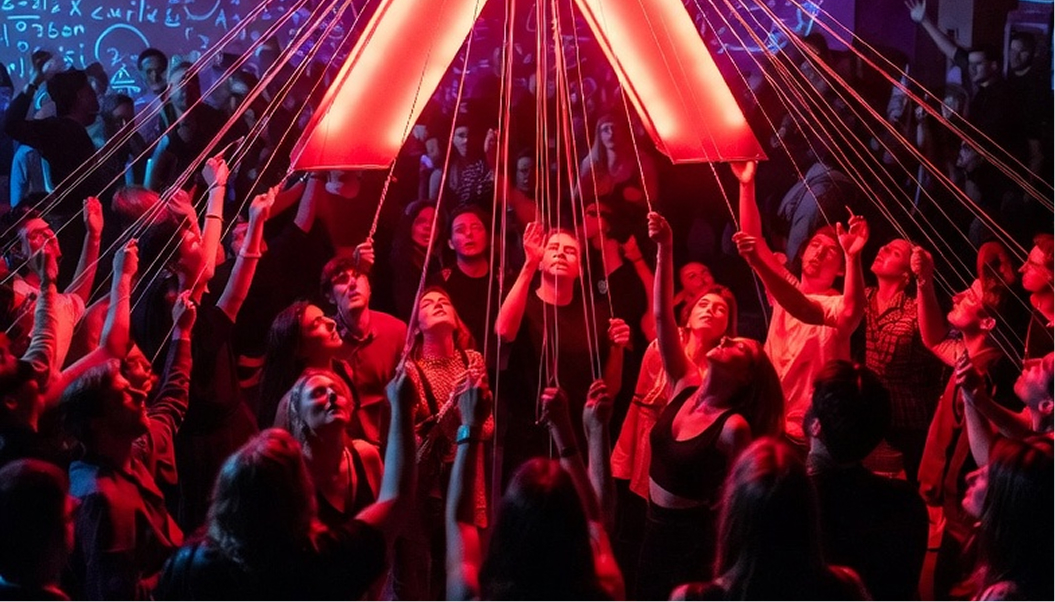
What follows, in a small theatrical space tucked between the Dragonfire Rapids and the merchandise outlet selling hats in the shape of dragons, is ten minutes of storytelling so quietly devastating that forty strangers find themselves exchanging the look. You know the look. It is the look that says I was not expecting to feel this and I am not prepared to discuss it but I can see from your face that it happened to you too and somehow that makes it better.
What follows, in a small theatrical space tucked between the Dragonfire Rapids and the merchandise outlet selling hats in the shape of dragons, is ten minutes of storytelling so quietly devastating that forty strangers find themselves exchanging the look. You know the look. It is the look that says I was not expecting to feel this and I am not prepared to discuss it but I can see from your face that it happened to you too and somehow that makes it better.
Theme park theatre is the entertainment industry's best-kept secret and its most underestimated art form. While the industry's marketing departments spend their budgets promoting maximum-height thrill rides and character dining experiences in which a person in a foam suit ignores your child in favour of the child next to yours, the genuine emotional heavy lifting is being done in small, overlooked corners of the park by performers who are, by any reasonable measure, some of the most technically accomplished actors working in Britain today.
Merlin Entertainments, which operates Alton Towers, Thorpe Park and a collection of other venues dedicated to the proposition that human beings enjoy mild suffering, has invested significantly in theatrical programming that sits alongside its rides. The results have been, depending on your emotional constitution and the specific day you visit, either lovely or absolutely catastrophic. One show at Warwick Castle, involving a storyteller, a single candle and a narrative about loss and legacy that had no business being that affecting in an attraction that sells turkey legs by the entrance, has made grown people phone their parents from the car park.
Merlin Entertainments, which operates Alton Towers, Thorpe Park and a collection of other venues dedicated to the proposition that human beings enjoy mild suffering, has invested significantly in theatrical programming that sits alongside its rides. The results have been, depending on your emotional constitution and the specific day you visit, either lovely or absolutely catastrophic. One show at Warwick Castle, involving a storyteller, a single candle and a narrative about loss and legacy that had no business being that affecting in an attraction that sells turkey legs by the entrance, has made grown people phone their parents from the car park.
The formula, when it works, is almost unfairly effective. Theme parks create a particular emotional state in their visitors: exhausted, slightly overstimulated, briefly childlike and therefore vulnerable in ways they would never be sitting in their normal lives. A skilled performer who understands this audience has access to something a theatre director working in a conventional venue can only dream of. The defences are down. The churro has done its work. The story lands clean.
Social media has been slow to catch up with this phenomenon, partly because the shows are designed to be experienced rather than filmed and partly because it is genuinely difficult to explain to your followers that you cried at a theme park without the full context, and the full context takes a while.
Social media has been slow to catch up with this phenomenon, partly because the shows are designed to be experienced rather than filmed and partly because it is genuinely difficult to explain to your followers that you cried at a theme park without the full context, and the full context takes a while.
The context is: you were tired, you were slightly sticky, you were standing next to a stranger in a dragon hat, and someone told you a story and for ten minutes the rides and the queues and the recycling bag poncho all fell away completely and you remembered why stories exist in the first place.
The gift shop near the exit is selling candles now. They are doing very well. 15% discount for members on Merlin Theam Parks
The gift shop near the exit is selling candles now. They are doing very well. 15% discount for members on Merlin Theam Parks