The Story Behind the Story

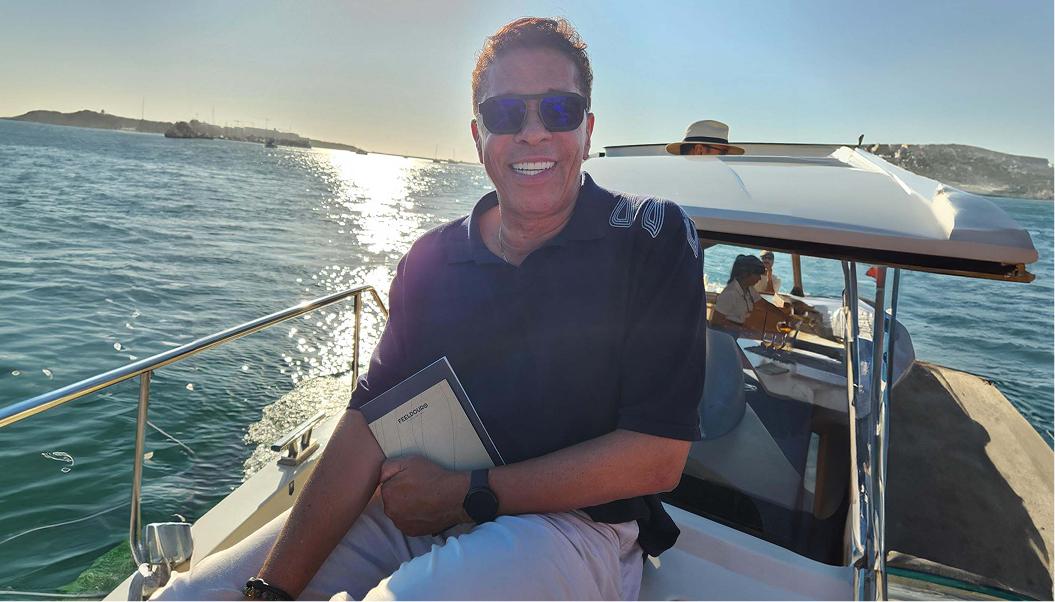
From Kingston to the corporate world, Mahari Hay has spent his life doing one thing: making sure the people nobody notices finally get seen.
Freeman of the City of London 2025 | CEO & Founder The CCC Awards | POAM Motivational Man of the Year 2025 | EMpower Top 100 Future Leader 2025 | PBC Professional of the Year 2023 | Black Talent Award Winner 2023
There is a moment early in my conversation with Mahari Hay that tells you everything about who he is. I ask him what he wants people to take away from his story. Most people, when asked that question, talk about themselves. Mahari talks about you.
"I would love them to think: I want to try something new," he says. "Whatever is holding you back, use this as a sign. Because a little thing can turn into a big thing. The Triple C Awards started as a conversation at my dinner table. Look at it now."
That is Mahari in one sentence. Twenty years in financial services, a career built from a call centre entry role to senior leadership, a network that spans the UK and beyond, and still, when you ask what drives him, the answer is never about him. It is always about the person in the room who has not yet been noticed.
Maxfield Avenue
He was born in Kingston, Jamaica in 1982, the youngest in a household that was, by his own description, full of people and short on space. Grandparents, parents, siblings, all different ages, all under one roof. "You just loved one another. You stepped on each other's toes, but that is what built you. You didn't have much, but you made much of what you had."
His mother Melody was a nurse in the NHS. Mahari watched her leave the family every day to care for strangers, and something in that lodged in him quietly, the idea that giving to others was not a sacrifice but a calling. She also saw potential in her son before he could see it himself, and when he was around ten years old, she brought him to the UK.
"She attended every school meeting. She wrote letters to my teachers asking them to push me. She built relationships with them. And she never told me any of it. I only found out at graduation when my teachers started telling me." He pauses. "That is what you mean when you say someone believed in you."
God rest her soul, he says softly. Everything was for her.
"I would love them to think: I want to try something new," he says. "Whatever is holding you back, use this as a sign. Because a little thing can turn into a big thing. The Triple C Awards started as a conversation at my dinner table. Look at it now."
That is Mahari in one sentence. Twenty years in financial services, a career built from a call centre entry role to senior leadership, a network that spans the UK and beyond, and still, when you ask what drives him, the answer is never about him. It is always about the person in the room who has not yet been noticed.
Maxfield Avenue
He was born in Kingston, Jamaica in 1982, the youngest in a household that was, by his own description, full of people and short on space. Grandparents, parents, siblings, all different ages, all under one roof. "You just loved one another. You stepped on each other's toes, but that is what built you. You didn't have much, but you made much of what you had."
His mother Melody was a nurse in the NHS. Mahari watched her leave the family every day to care for strangers, and something in that lodged in him quietly, the idea that giving to others was not a sacrifice but a calling. She also saw potential in her son before he could see it himself, and when he was around ten years old, she brought him to the UK.
"She attended every school meeting. She wrote letters to my teachers asking them to push me. She built relationships with them. And she never told me any of it. I only found out at graduation when my teachers started telling me." He pauses. "That is what you mean when you say someone believed in you."
God rest her soul, he says softly. Everything was for her.
The look on her face
Mahari is in finance because of one moment. He was about 14. His mother walked into a bank wanting to do better for her son. She could not articulate what she needed in the language the institution expected, and they dismissed her. Just like that.
"I never forgot the look on her face. We never spoke about money in our house again after that. I did not open a bank account until my very first day at university."
That look became his compass. He joined the corporate world through the only door open to him, a call centre entry role, and spent 20 years climbing. He became obsessively good at communicating upwards, at making people see potential in him, at getting into rooms where nobody looked like him and finding ways to stay. But from the very first day, he made himself a promise.
"If I ever got to a position where I could upskill anybody who wanted to learn, I would. No gatekeeping. My door is always open. Because I know what it is like to go without help, and I know how long that makes the road."
Stronger together
Ask Mahari whether diversity in the corporate world has improved and he does not dress it up. "The higher you get, the fewer people you see that look like me. That hasn't really changed." But where others might feel defeated by that fact, he uses it as fuel.
"Would I rather be the one black billionaire in a room of billionaires who don't look like me? Or sit at a table with ten millionaires who do? Because ten of us together are far more powerful and influential than one person alone." He leans into the idea of collective progress with a conviction that does not feel rehearsed. It feels lived.
"When you get into that room, "Ketch di door wid yuh foot before it shut!". Speak about other people when they are not there. That is how we create space for everybody to prosper."
Mahari is in finance because of one moment. He was about 14. His mother walked into a bank wanting to do better for her son. She could not articulate what she needed in the language the institution expected, and they dismissed her. Just like that.
"I never forgot the look on her face. We never spoke about money in our house again after that. I did not open a bank account until my very first day at university."
That look became his compass. He joined the corporate world through the only door open to him, a call centre entry role, and spent 20 years climbing. He became obsessively good at communicating upwards, at making people see potential in him, at getting into rooms where nobody looked like him and finding ways to stay. But from the very first day, he made himself a promise.
"If I ever got to a position where I could upskill anybody who wanted to learn, I would. No gatekeeping. My door is always open. Because I know what it is like to go without help, and I know how long that makes the road."
Stronger together
Ask Mahari whether diversity in the corporate world has improved and he does not dress it up. "The higher you get, the fewer people you see that look like me. That hasn't really changed." But where others might feel defeated by that fact, he uses it as fuel.
"Would I rather be the one black billionaire in a room of billionaires who don't look like me? Or sit at a table with ten millionaires who do? Because ten of us together are far more powerful and influential than one person alone." He leans into the idea of collective progress with a conviction that does not feel rehearsed. It feels lived.
"When you get into that room, "Ketch di door wid yuh foot before it shut!". Speak about other people when they are not there. That is how we create space for everybody to prosper."
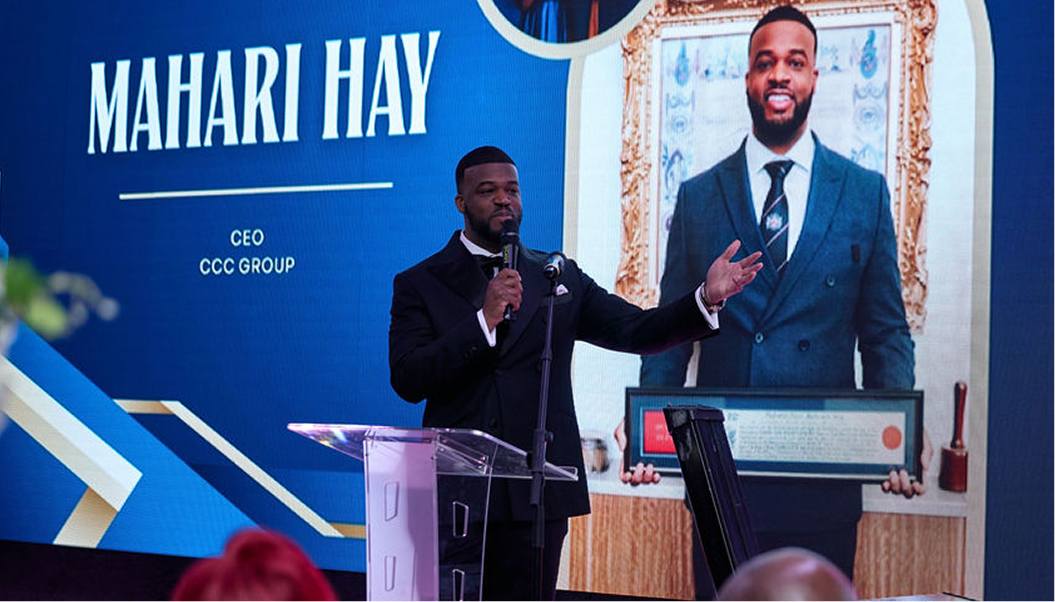
The Triple C Awards
The idea came to him at an awards ceremony. Someone went up to collect a prize and spent their whole speech thanking the teachers, the mentors, the quiet supporters who had made it possible. Mahari turned to the person next to him and said: who is recognising those people?
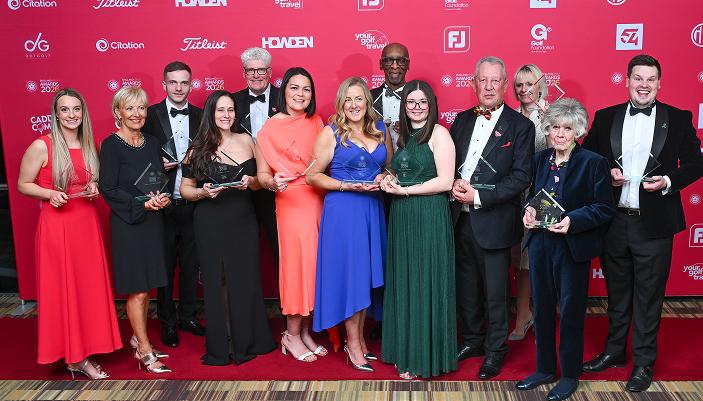
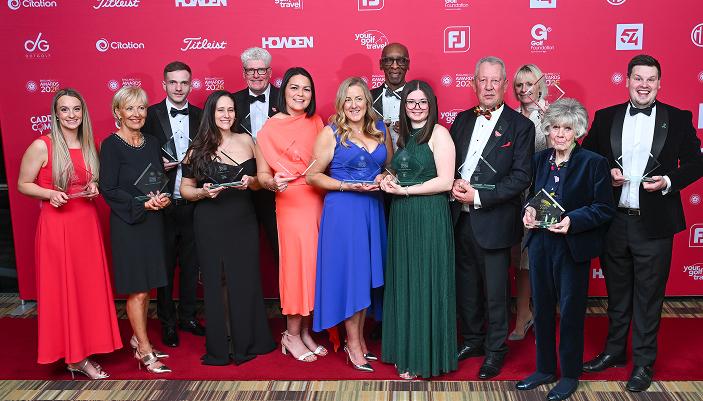
The Triple C Awards is his answer. It celebrates contributors across every sector, not just finance, but dentistry, education, law, entrepreneurship, motherhood. In its first year, 300 people attended. The second year, 500. A 60 percent increase in twelve months, built on nothing but word of mouth and the very real hunger people have to finally be seen.
One story he keeps coming back to is Camise Davis, a Birmingham mother who founded a black haircare range called Nylas. "She stepped out from just being seen as a mother and used everything that motherhood had taught her to build something that could support so many other people. Now she has Channel 4 commercials. Major bank funding. And she came back this year as a judge." He smiles. "That is the story behind the story."
His wife Nikki is the Chief Operating Officer of the Triple C Awards and, by his own description, the person who stands in front of him rather than behind him. "She shields me and our family. She spots the things I miss. She turned her own experience of navigating dentistry as a black woman into fuel for helping us identify other people with stories worth telling. I would not be doing this without her."
The idea came to him at an awards ceremony. Someone went up to collect a prize and spent their whole speech thanking the teachers, the mentors, the quiet supporters who had made it possible. Mahari turned to the person next to him and said: who is recognising those people?
The Triple C Awards is his answer. It celebrates contributors across every sector, not just finance, but dentistry, education, law, entrepreneurship, motherhood. In its first year, 300 people attended. The second year, 500. A 60 percent increase in twelve months, built on nothing but word of mouth and the very real hunger people have to finally be seen.
One story he keeps coming back to is Camise Davis, a Birmingham mother who founded a black haircare range called Nylas. "She stepped out from just being seen as a mother and used everything that motherhood had taught her to build something that could support so many other people. Now she has Channel 4 commercials. Major bank funding. And she came back this year as a judge." He smiles. "That is the story behind the story."
His wife Nikki is the Chief Operating Officer of the Triple C Awards and, by his own description, the person who stands in front of him rather than behind him. "She shields me and our family. She spots the things I miss. She turned her own experience of navigating dentistry as a black woman into fuel for helping us identify other people with stories worth telling. I would not be doing this without her."
Give people their flowers now
The philosophy running through everything Mahari does is simple but increasingly rare. Do not wait. Recognise people while they can receive it, not after they have retired, not in a eulogy. Now.
When I ask him who he would most want to bring into that awards room, someone who has never been properly recognised, he does not name a celebrity or a CEO. He thinks for a moment and then says: Mr Guy. His RE teacher at secondary school in the early 1990s. A man from Trinidad, the only black teacher in the building, who treated Mahari and his friends like a West Indian uncle. Like family.
"He would say: you are better than what you think you are. He dropped those little gems over years and they really stuck. I lost contact with him after school." He pauses again. "If anyone reading this knows Mr Guy who taught at Gladesmoor School in the early nineties, please, please let me know. I just want to say thank you."
That is the thing about Mahari Hay. He has built a career, a platform and a movement out of gratitude. Not the performative kind. The kind that costs you something, that demands you show up, that keeps you working long after the applause has stopped.
His nine to five is the corporate world. The Triple C Awards, he says, is his nine to life.
The Triple C Awards returns in 2027. Find out more and follow the journey on LinkedIn and Instagram.
The philosophy running through everything Mahari does is simple but increasingly rare. Do not wait. Recognise people while they can receive it, not after they have retired, not in a eulogy. Now.
When I ask him who he would most want to bring into that awards room, someone who has never been properly recognised, he does not name a celebrity or a CEO. He thinks for a moment and then says: Mr Guy. His RE teacher at secondary school in the early 1990s. A man from Trinidad, the only black teacher in the building, who treated Mahari and his friends like a West Indian uncle. Like family.
"He would say: you are better than what you think you are. He dropped those little gems over years and they really stuck. I lost contact with him after school." He pauses again. "If anyone reading this knows Mr Guy who taught at Gladesmoor School in the early nineties, please, please let me know. I just want to say thank you."
That is the thing about Mahari Hay. He has built a career, a platform and a movement out of gratitude. Not the performative kind. The kind that costs you something, that demands you show up, that keeps you working long after the applause has stopped.
His nine to five is the corporate world. The Triple C Awards, he says, is his nine to life.
The Triple C Awards returns in 2027. Find out more and follow the journey on LinkedIn and Instagram.