They Paid £400 to Be Buried Alive and They Are Already Booking Again
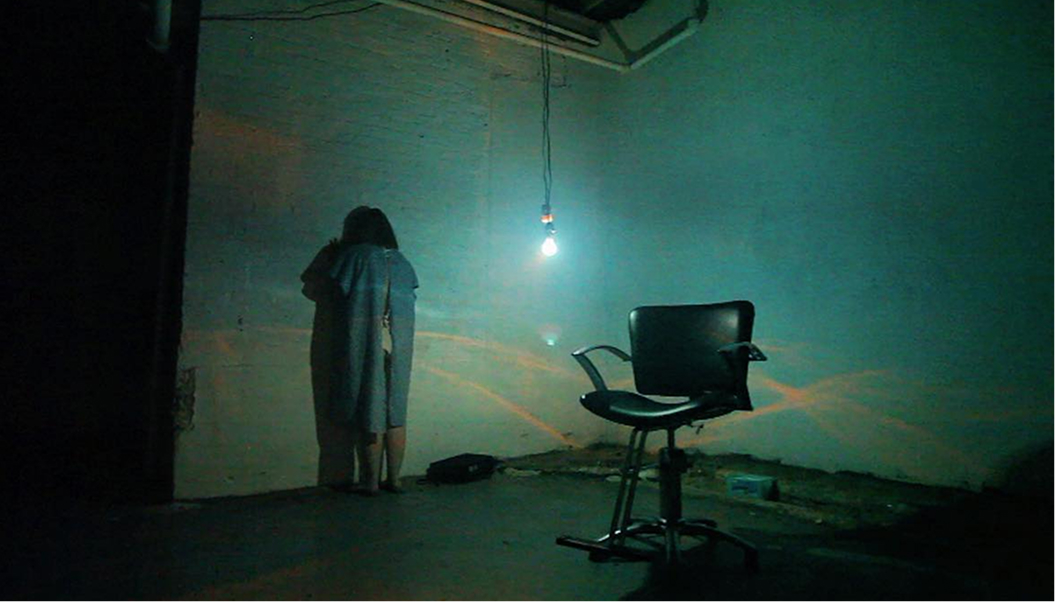
The waiver runs to four pages. Item seven asks you to confirm that you understand the experience may cause lasting psychological effects. Nobody has stopped booking.
Somewhere in a converted warehouse on the outskirts of Manchester, a woman named Claire is lying in a wooden box approximately the dimensions of a coffin, in complete darkness, with a heart rate monitor attached to her wrist and no way of knowing how long she has been there. She paid four hundred pounds for this. She booked again before she had fully caught her breath
Extreme immersive theatre, once a niche pursuit for a particular kind of adrenaline-seeking Londoner, has become one of the most commercially vigorous sectors in British entertainment. Productions that subject their audiences to genuine physical and psychological discomfort, sensory deprivation, sleep disruption and carefully engineered terror are selling out months in advance, commanding prices that would make a West End producer weep with envy, and generating a word-of-mouth intensity that no conventional marketing budget could buy.
Extreme immersive theatre, once a niche pursuit for a particular kind of adrenaline-seeking Londoner, has become one of the most commercially vigorous sectors in British entertainment. Productions that subject their audiences to genuine physical and psychological discomfort, sensory deprivation, sleep disruption and carefully engineered terror are selling out months in advance, commanding prices that would make a West End producer weep with envy, and generating a word-of-mouth intensity that no conventional marketing budget could buy.
The pioneers of the form understood something that mainstream entertainment had missed: that genuine fear, unlike simulated fear, creates an experience that lodges permanently in the memory. A horror film can be forgotten. Being led through a pitch-black building by a stranger who whispers things specifically calibrated to your personal anxieties, having surrendered your phone and signed away your right to complain, cannot be.
Productions like Blackout, which operated in New York before inspiring a wave of British equivalents, made their reputation on a simple and brutal premise: the audience is not safe here. Not performatively unsafe in the way of a funfair ghost train, but genuinely uncertain, genuinely disoriented, genuinely unsure of what comes next. Participants are touched, isolated, verbally confronted and, in some productions, subjected to experiences that blur the line between theatre and something that does not yet have a comfortable name.
Productions like Blackout, which operated in New York before inspiring a wave of British equivalents, made their reputation on a simple and brutal premise: the audience is not safe here. Not performatively unsafe in the way of a funfair ghost train, but genuinely uncertain, genuinely disoriented, genuinely unsure of what comes next. Participants are touched, isolated, verbally confronted and, in some productions, subjected to experiences that blur the line between theatre and something that does not yet have a comfortable name.
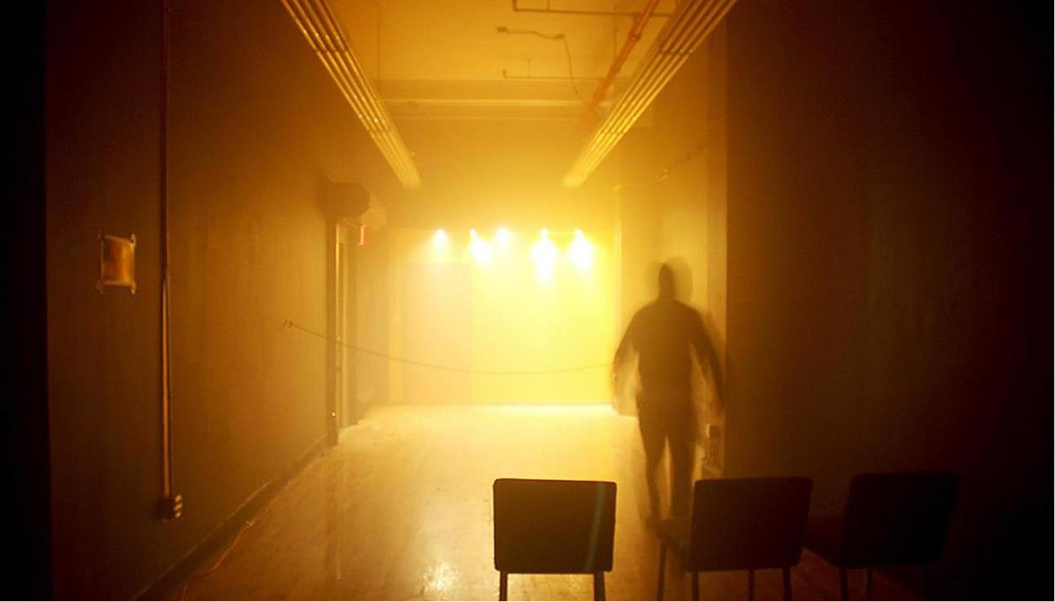
The psychological mechanics at work are well understood by the producers, if not always by the participants. Controlled fear, experienced in the knowledge that an exit exists even if it feels very far away, produces an intense state of presence that everyday life rarely offers. Phones are gone. Distractions are gone. The thinking mind, overwhelmed by immediate sensation, quiets itself entirely. Survivors of these experiences frequently describe the aftermath in terms usually associated with meditation or therapy rather than entertainment.
Dr Rachel Moss, a psychologist who has consulted for several immersive horror companies, notes that the appeal is not masochistic in any simple sense. People are not paying to suffer. They are paying to feel fully alive in a way that ordinary experience does not provide. The box, the darkness, the manufactured dread, these are delivery mechanisms for a quality of attention that most people have forgotten they are capable of.
Dr Rachel Moss, a psychologist who has consulted for several immersive horror companies, notes that the appeal is not masochistic in any simple sense. People are not paying to suffer. They are paying to feel fully alive in a way that ordinary experience does not provide. The box, the darkness, the manufactured dread, these are delivery mechanisms for a quality of attention that most people have forgotten they are capable of.
Claire, retrieved from her box after forty minutes she experienced as considerably longer, sits in the recovery room with a cup of tea and the particular expression of someone who has just remembered something important about themselves. She opens the booking app before the tea has cooled. There is a six-month wait for the next available slot. She joins it without hesitation.
The waiver, she mentions, has a fifth page now. She did not read that one either.
The waiver, she mentions, has a fifth page now. She did not read that one either.