Travelling Alone Has Never Been More Popular, or More Misunderstood
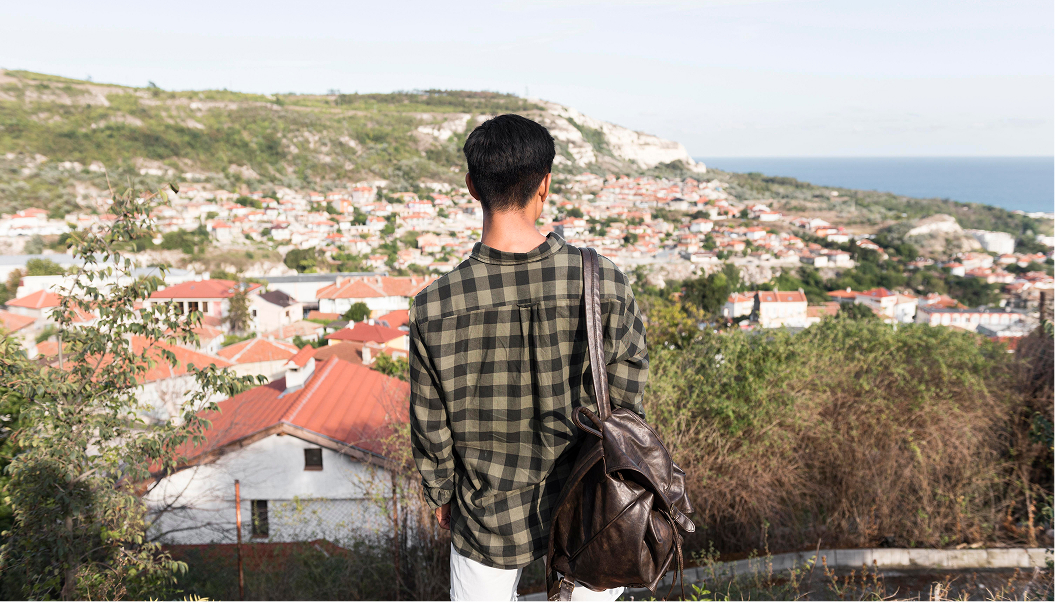
People always assume I must be lonely. I am sitting at a table for one in a restaurant in Lisbon, reading a novel and eating grilled fish, and the waiter has just asked, with genuine sympathy in his voice, whether I am expecting someone. I tell him I am not. He brings bread anyway, enough for two, perhaps as consolation.
Solo travel has a persistent image problem. It is associated, in the popular imagination, with either the gap year student finding themselves or the recently divorced person eating sad pasta in an Italian village, as documented extensively by a certain memoir. What it is actually associated with, among the people who do it regularly, is freedom of a very specific and rather addictive kind.
Solo travel has a persistent image problem. It is associated, in the popular imagination, with either the gap year student finding themselves or the recently divorced person eating sad pasta in an Italian village, as documented extensively by a certain memoir. What it is actually associated with, among the people who do it regularly, is freedom of a very specific and rather addictive kind.
The market for solo travel has grown substantially in recent years, and the demographics are broader than most people imagine. Solo travellers are not predominantly young. Industry data consistently shows the largest growth in solo travel among women over forty, a demographic that has discovered, often after years of coordinating holidays around other people's preferences and other people's school timetables, that going somewhere entirely alone is one of the most liberating things a person can do.
The practicalities have improved too. Solo supplements, the travel industry's longstanding habit of penalising people for the crime of not having a partner, are coming under pressure. A growing number of cruise lines, tour operators, and hotel groups have either eliminated the single supplement or significantly reduced it. Group travel designed specifically for solo travellers has boomed, offering the social element for those who want it while preserving personal freedom.
The practicalities have improved too. Solo supplements, the travel industry's longstanding habit of penalising people for the crime of not having a partner, are coming under pressure. A growing number of cruise lines, tour operators, and hotel groups have either eliminated the single supplement or significantly reduced it. Group travel designed specifically for solo travellers has boomed, offering the social element for those who want it while preserving personal freedom.
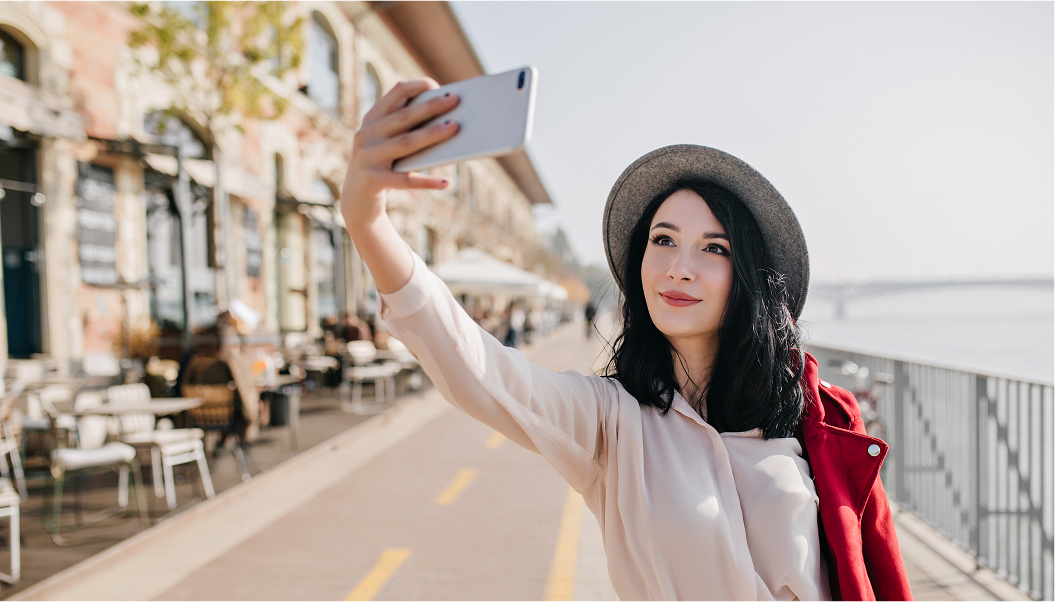
For women travelling alone, the conversation has also matured. The endless articles warning of danger and offering safety tips in anxious tones have given way to something more useful, honest accounts of which destinations are genuinely welcoming, which feel uncomfortable, and how to navigate the world confidently without pretending that all places are equal.
What remains underappreciated about solo travel is the quality of attention it produces. Without a companion to talk to, you look at things differently. You are more likely to speak to strangers, more likely to take an unexpected turn, more
What remains underappreciated about solo travel is the quality of attention it produces. Without a companion to talk to, you look at things differently. You are more likely to speak to strangers, more likely to take an unexpected turn, more
likely to sit somewhere for an hour rather than five minutes because there is no one waiting for you and nowhere you have to be. You become, almost by accident, the kind of traveller you always meant to be.
The waiter in Lisbon eventually stops worrying about me. By the time the second course arrives he has pulled up a chair, and we are talking about his family in the Alentejo and whether the fish today was better than yesterday and what I should do tomorrow morning. It is, I think, the best conversation I have had on the entire trip. It could not have happened any other way.
The waiter in Lisbon eventually stops worrying about me. By the time the second course arrives he has pulled up a chair, and we are talking about his family in the Alentejo and whether the fish today was better than yesterday and what I should do tomorrow morning. It is, I think, the best conversation I have had on the entire trip. It could not have happened any other way.