Why Everyone Is Walking to Somewhere Sacred
Nobody warned me that my feet would bleed on the third day. The guidebook mentioned blisters in passing, the way people mention traffic when describing a city break, as a minor inconvenience easily managed with the right preparation. It was not minor. But by day five, something had shifted, and the pain had become almost beside the point.
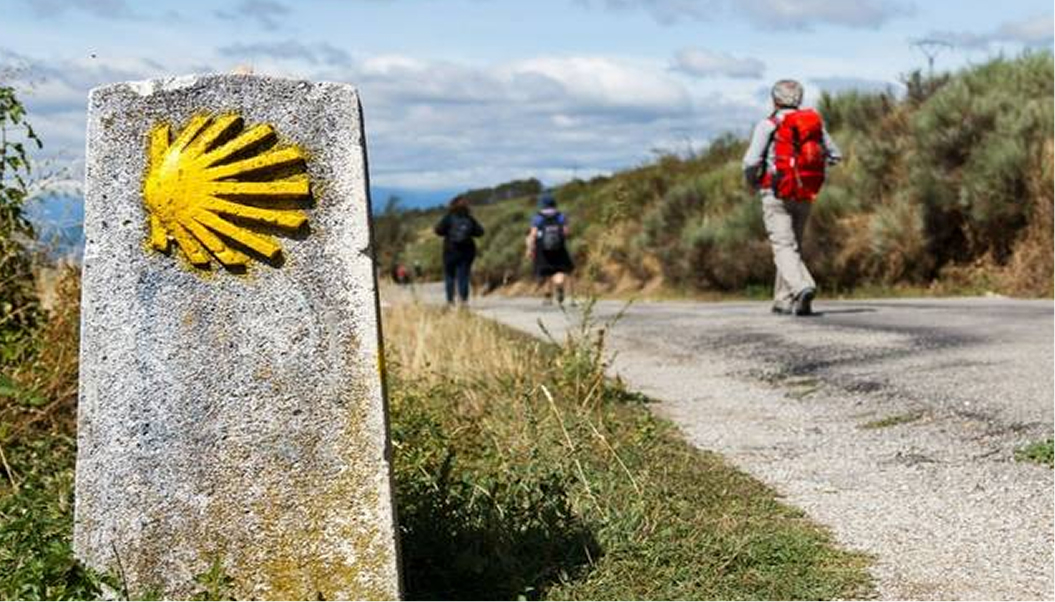
I was walking the Camino de Santiago, the ancient pilgrimage route that winds through northern Spain to the cathedral city where the remains of Saint James are said to rest. I am not religious. I booked it during a particularly uninspiring Tuesday at my desk and told myself it was just a long walk with good scenery. That is, of course, not what it is at all.
I was walking the Camino de Santiago, the ancient pilgrimage route that winds through northern Spain to the cathedral city where the remains of Saint James are said to rest. I am not religious. I booked it during a particularly uninspiring Tuesday at my desk and told myself it was just a long walk with good scenery. That is, of course, not what it is at all.
The Camino has existed in some form for over a thousand years, and in recent decades it has experienced a remarkable revival. In 1985, fewer than 700 people completed it. Last year, that number was approaching half a million. They come from every country imaginable, for reasons as varied as grief, curiosity, midlife crisis, spiritual hunger, and yes, occasionally, fitness. What is extraordinary is that it seems to give each of them something different, and yet something the same.
What pilgrimage offers, in a world of instant everything, is the radical gift of slow progress. You walk. You arrive somewhere small. You eat simply, sleep in a bunk above a stranger, and do it again the next morning. There is no agenda beyond the next village. Your phone becomes largely useless, not because you have switched it off, but because the world of notifications seems to recede naturally when your attention is occupied by the path ahead and the ache in your calves.
What pilgrimage offers, in a world of instant everything, is the radical gift of slow progress. You walk. You arrive somewhere small. You eat simply, sleep in a bunk above a stranger, and do it again the next morning. There is no agenda beyond the next village. Your phone becomes largely useless, not because you have switched it off, but because the world of notifications seems to recede naturally when your attention is occupied by the path ahead and the ache in your calves.
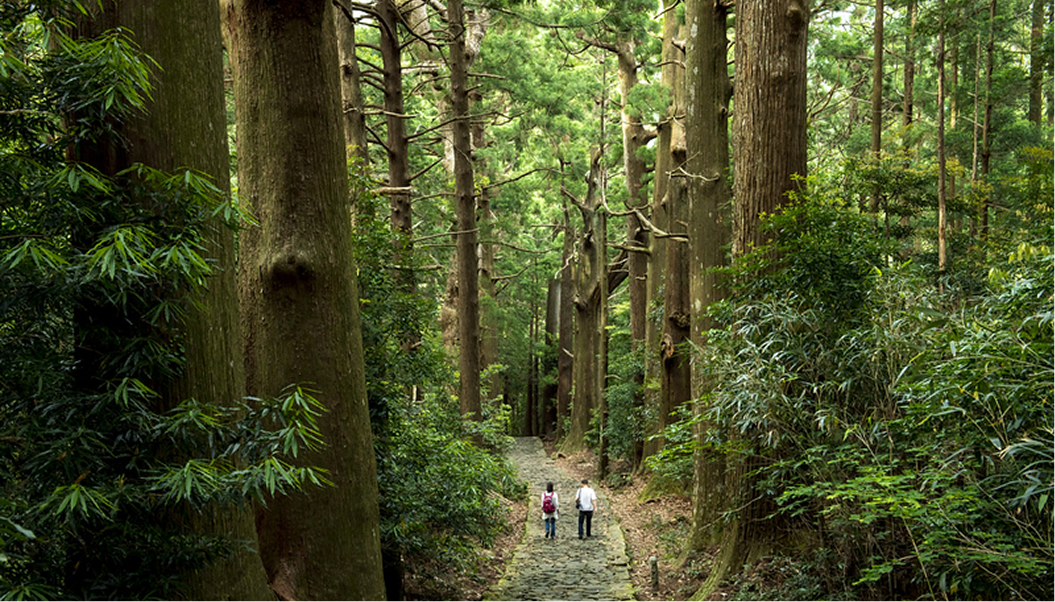
The Camino is not the only route drawing people back to ancient roads. Japan's Kumano Kodo, a network of forested mountain trails, has seen extraordinary growth in international visitors seeking something quieter than Tokyo. Turkey's Lycian Way traces the Mediterranean coastline past ruins and fishing villages. Britain's own St Cuthbert's Way crosses the Cheviot Hills to Holy Island in Northumberland with a quiet, understated beauty that has nothing to prove.
What these routes share is a quality that is increasingly hard to find in modern travel. They ask something of you. They are not consumed passively from a sun lounger or a coach window. They require your body, your attention, and eventually, whether you planned it or not, something closer to your soul.
What these routes share is a quality that is increasingly hard to find in modern travel. They ask something of you. They are not consumed passively from a sun lounger or a coach window. They require your body, your attention, and eventually, whether you planned it or not, something closer to your soul.
I finished the Camino on a grey morning in October. The cathedral square was quieter than I had imagined, the famous bells silent, the light flat and northern. A woman next to me wept openly. I did not weep, but I understood it completely. You do not walk for five weeks and arrive unchanged. The blisters heal. The other thing stays.