Why Everyone's Ditching the Gym for Pilates and Walking Clubs in 2026
Something quietly extraordinary has happened to the way Britain gets fit. The gym, once the unchallenged king of the fitness world, is losing ground to a far more social, far more accessible and arguably far more enjoyable combination: Pilates and walking clubs. And the numbers are quite remarkable.
Gym membership cancellations have been climbing steadily since 2024, while Pilates studios are reporting waiting lists and walking groups are springing up in towns and cities across the country. This is not simply a passing trend. It reflects a fundamental shift in what people want from exercise, and indeed from their social lives.
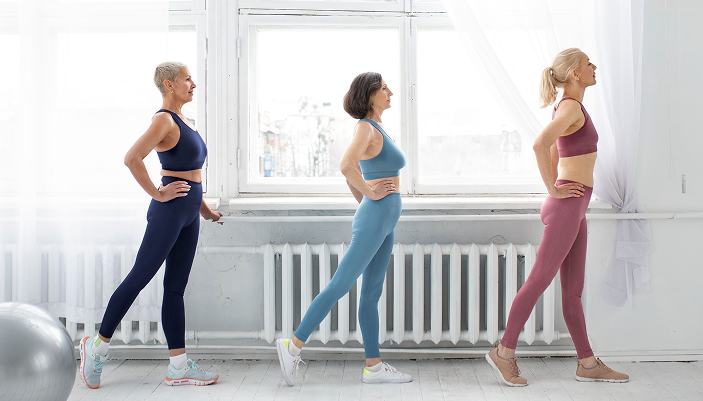
Pilates has been around since the early twentieth century, developed by Joseph Pilates as a system of controlled movement focused on core strength, alignment and breath. For decades it was associated with dancers and rehabilitation patients. Then it went mainstream, and now it is everywhere. Studios offering reformer Pilates, mat Pilates and everything in between have opened on virtually every high street.
Gym membership cancellations have been climbing steadily since 2024, while Pilates studios are reporting waiting lists and walking groups are springing up in towns and cities across the country. This is not simply a passing trend. It reflects a fundamental shift in what people want from exercise, and indeed from their social lives.
Pilates has been around since the early twentieth century, developed by Joseph Pilates as a system of controlled movement focused on core strength, alignment and breath. For decades it was associated with dancers and rehabilitation patients. Then it went mainstream, and now it is everywhere. Studios offering reformer Pilates, mat Pilates and everything in between have opened on virtually every high street.
The appeal is broad, precisely because the benefits are so varied. Pilates builds genuine functional strength, improves posture, reduces back pain and creates the kind of long, lean muscle tone that people genuinely want. It is also far gentler on the joints than most gym-based training, making it accessible to people across all age groups.
Walking clubs, meanwhile, have tapped into something even deeper. The pandemic reminded us how restorative a simple walk can be, and the social element of a walking group adds a layer of wellbeing that no treadmill can provide. Research consistently shows that exercising outdoors reduces cortisol, improves mood more effectively than indoor exercise and increases creativity and cognitive function. When you combine that with conversation, laughter and a sense of community, the benefits compound considerably.
Walking clubs, meanwhile, have tapped into something even deeper. The pandemic reminded us how restorative a simple walk can be, and the social element of a walking group adds a layer of wellbeing that no treadmill can provide. Research consistently shows that exercising outdoors reduces cortisol, improves mood more effectively than indoor exercise and increases creativity and cognitive function. When you combine that with conversation, laughter and a sense of community, the benefits compound considerably.
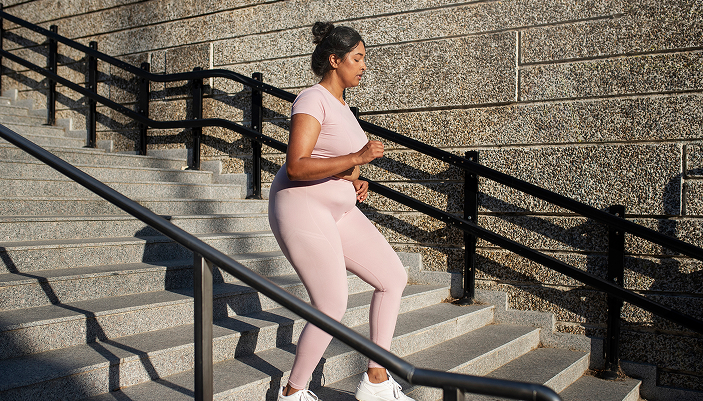
What makes the Pilates and walking club combination particularly clever is that they complement each other so well. Pilates builds the core stability and body awareness that makes walking more efficient and less prone to causing injury. Walking provides the cardiovascular element and fresh air that a studio session does not. Together, they cover most of what the body needs without the grinding monotony that sends so many gym memberships unused.
There is also something to be said for the social structures these activities create. Walking clubs in particular have become community anchors in a time when loneliness is one of Britain's most pressing public health concerns. Groups range from gentle weekend strolls through countryside to brisk urban walks with coffee stops. Many are organised through apps, local Facebook groups or community noticeboards, and most are entirely free to join.
There is also something to be said for the social structures these activities create. Walking clubs in particular have become community anchors in a time when loneliness is one of Britain's most pressing public health concerns. Groups range from gentle weekend strolls through countryside to brisk urban walks with coffee stops. Many are organised through apps, local Facebook groups or community noticeboards, and most are entirely free to join.
The shift also reflects a growing understanding of what sustainable fitness actually looks like. High intensity gym sessions done out of obligation are famously difficult to maintain long term. Pleasurable movement done with friends is something people genuinely look forward to, which means they actually do it. Consistency, far more than intensity, is what produces lasting health results.
If you have not yet explored either Pilates or a local walking club, Spring of 2026 feels like exactly the right moment to start.
If you have not yet explored either Pilates or a local walking club, Spring of 2026 feels like exactly the right moment to start.